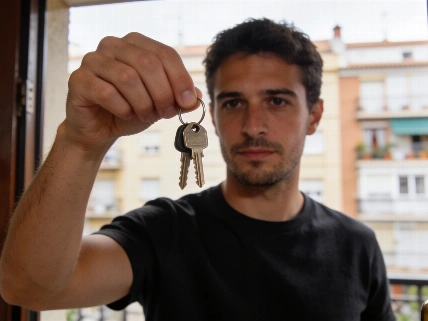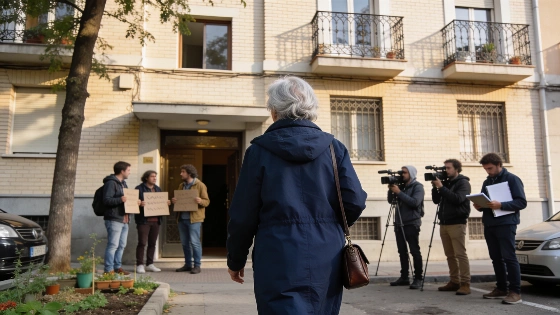
Accounts cited in coverage say Maricarmen has lived in her Madrid apartment for 71 years, a factor in the public reaction to her eviction. She could return after leaving hospital under a preliminary agreement with the fund Urbagestión.
The arrangement would preserve almost the same terms as before her eviction. Maricarmen must approve it first, and it also requires formal ratification.
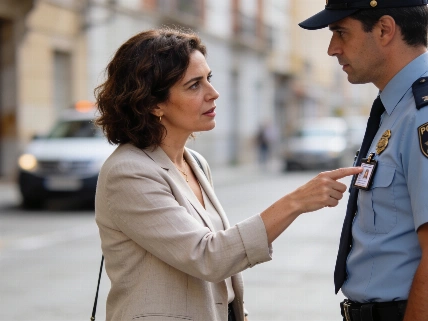
The deal has sparked a political dispute. Beatriz Duro, Maricarmen's lawyer, accused Madrid mayor José Luis Martínez-Almeida of trying to claim credit for a settlement reached by the woman's representatives and the fund.
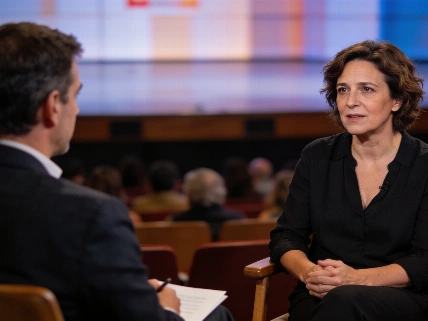
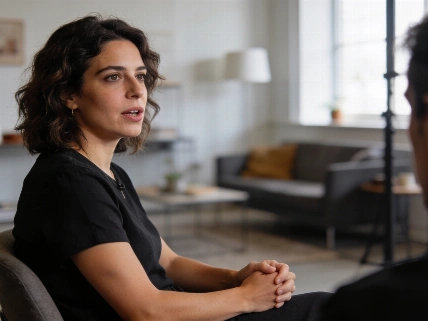
Duro discussed the case on Hoy por Hoy with Aimar Bretos. She said the deal could have been reached earlier. In her view, public administrations failed to resolve a matter that had become a public-order issue.
She rejected the mayor's effort to present the result as his own. If the preliminary agreement is formalised and Maricarmen is discharged from hospital, she is expected to return to her flat.
The mediation involved EMVS Madrid, the city’s municipal housing company, and went beyond direct talks between Maricarmen’s representatives and Urbagestión. The company also proposed adding the apartment to the city’s Reviva programme, giving Maricarmen a way to return under stable and affordable rental conditions.
Her belongings never left the property. Duro said Maricarmen was prevented from taking them during the eviction and called it an act of inhumanity.
A return would mean no further move or new household arrangement, potentially making the process simpler.
Maricarmen does not yet know about the pact. Her lawyer said the agreement must first be presented to her; her consent is the next impressive step.
Monday's document leaves the resolution incomplete.
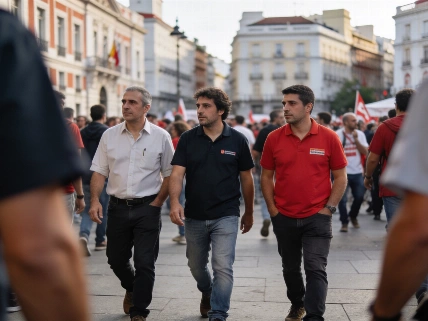
Duro credited pressure outside the institutions with securing the breakthrough. She said social mobilisation and union action were decisive. Without them, she argued, the prospect of Maricarmen going home would have been unthinkable.
The broader record of disputes over public responses also includes related housing coverage.
The BBC reported that the proposed arrangement would involve a new contract with rent broadly comparable to the previous terms. Maricarmen would need to sign it after her health improves.
The broadcaster also stressed that the agreement still needs to be formalised. It remains a possible resolution, pending a completed settlement.
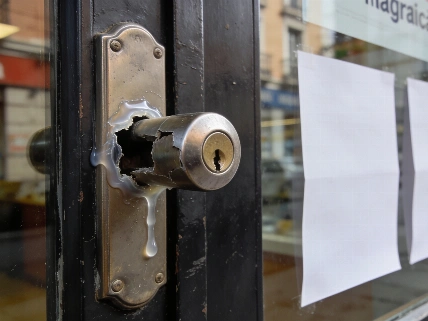
The eviction had already become a major political and social confrontation. Euronews reported clashes between police and protesters after the forced removal.
Urbagestión also sought compensation for damage it linked to the campaign supporting Maricarmen. Demonstrations were reported in cities beyond Madrid.
Madrid officials had earlier said social services were ready to offer immediate housing after the eviction. Opposition leader Rita Maestre tied the case to the city's housing policy and the wider housing crisis in the capital.
The two sides remain far apart. Even a successful return home would leave the political argument over how the case was handled unresolved.