The Supreme Court upheld the sexual-harassment conviction of Ismael Álvarez, then mayor of Ponferrada, after Nevenka Fernández brought the case against him. Fernández, a Popular Party (PP) councillor responsible for finance, filed her complaint in 2001. The judgment imposed nine months’ imprisonment. It also ordered a €6,840 fine and €12,000 in compensation.
Álvarez resigned from his political posts after the verdict; his resignation was reported on 30 May 2002. He later returned to municipal politics, standing in the 2011 elections with Independientes Agrupados de Ponferrada (IAP), which won five council seats. Fernández faced social incomprehension and reputational pressure after making her complaint, and eventually moved abroad to rebuild her life.
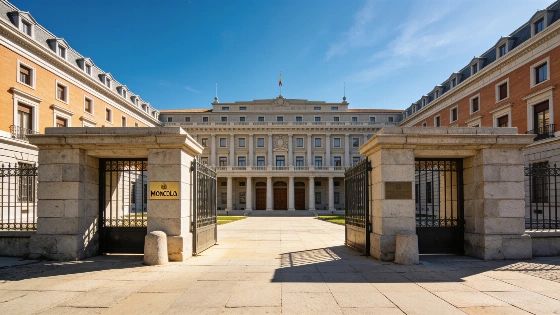
That history preceded Fernández’s receipt of the Encomienda de la Orden del Mérito Civil at the Complejo de la Moncloa in Madrid on 24 November 2026. Prime Minister Pedro Sánchez presided over the ceremony, held on the eve of the International Day for the Elimination of Violence against Women on 25 November. The Government of Spain granted the distinction through the Ministry of Foreign Affairs. The Order of Civil Merit, instituted in 1926 under King Alfonso XIII, recognises civic virtues and distinguished service. Fernández was the first woman in Spain to secure a conviction for sexual harassment against a political office-holder.
The day before the Moncloa ceremony, Fernández received the Avançant en Igualtat award from UGT PV in Valencia. The union recognised her courage and her role in opening a path for other women confronting people in positions of power. At the event, Fernández criticised political support for Manuel Bautista, the PP mayor of Móstoles, in connection with allegations of sexual and workplace harassment made by a former councillor from his party. That dispute is separate from the Ponferrada case. A separate Basque court ruling concerned a cook’s dismissal linked to union membership and a request for a work calendar; it involved a different legal dispute.
March marked 25 years since Fernández held the press conference that made her case public. Her story has since been depicted in Soy Nevenka, directed by Icíar Bollaín. The Valencia award immediately preceded the state honour at Moncloa, bringing union and governmental recognition of Fernández’s public role.
Fernández said Spain had advanced in many respects and had modern laws, but argued that they still needed to be applied. She warned that a rollback of rights was a real risk and urged people not to lower their guard or accept silence. She described feminism as grounded in courage and compassion, not in political camps or conflict between men and women.