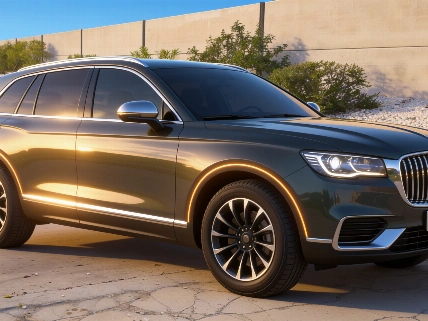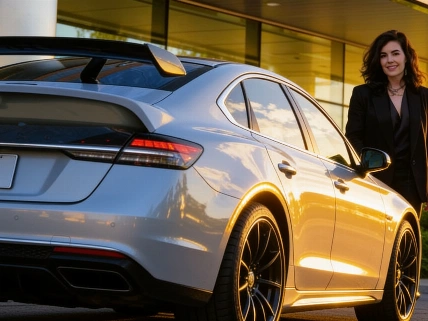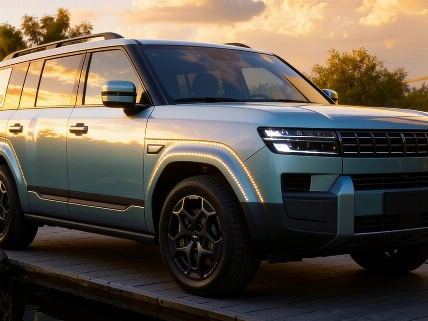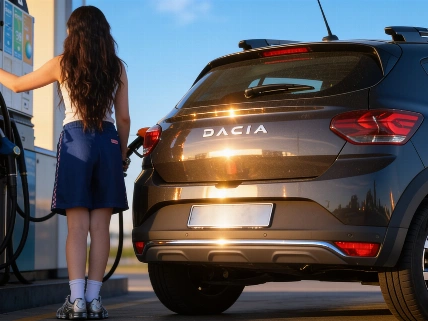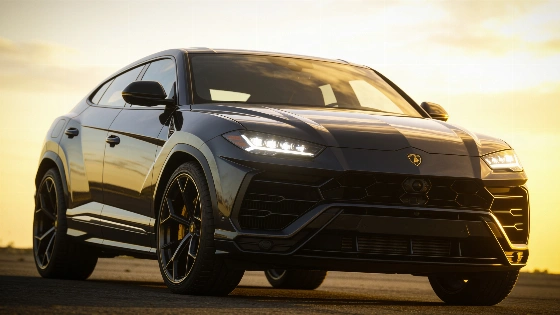
The conversation took place in a Lamborghini owned by Plex, where cars became a central subject as he interviewed Pedro Sánchez. Sánchez asked Plex for his views on Chinese and electric cars.
Plex replied «no le gustan los coches eléctricos...», saying he did not like electric cars. Sánchez’s expression changed, according to the interview account. Plex then remarked «no le ha gustado», meaning that Sánchez had not liked the comment. The president changed the subject.
The exchange was about car policy rather than the costs and practicalities facing drivers. For a different view of motoring concerns in Spain, mechanic Javier Sendín has discussed faults that can take a month to trace and long workshop waiting lists in an earlier workshop report.
Sánchez has backed removing tariffs on China’s car industry while other European countries sought a common response to Chinese manufacturers’ expansion. The EU has imposed additional duties on battery-electric vehicles made in China, reported at 17% for BYD and 35.5% for SAIC on top of ordinary import duties. Brussels has twice raised concerns with Spain over factories permitted by the government, where Chinese cars are assembled rather than traditionally manufactured.
Chinese cars and electric vehicles have become closely associated in Spain’s market, although more Chinese hybrids are now arriving, according to the source account. ANFAC figures cited by NuWays show registrations of Chinese brands rose 79% year on year in October 2026, taking their share to 17.6%, compared with 13.0% across the first nine months of the year. Total Spanish passenger-car registrations grew 1.8% that month, while non-Chinese brands’ registrations fell by about 7%.
Battery-electric cars accounted for 16.7% of Spanish new passenger-car registrations in October, with 16,425 registrations, up 81.2% from a year earlier, according to ANFAC figures reported by the Silk Road information portal. Registrations over the first ten months of 2026 reached 116,932, an increase of 44.1% year on year. BYD’s share of Spain’s electric-vehicle market exceeded 10% in July, while SAIC-owned MG’s Spanish sales rose 58% and Chery’s Omoda more than doubled its sales through August, The Economic Times reported.
Chinese manufacturers are also expanding through production partnerships in Europe. Chery is preparing production at the former Nissan plant in Barcelona, and Stellantis began producing Leapmotor’s B10 electric SUV at its Zaragoza facility on 16 October 2026. Reuters has also reported that Ford and Geely announced a joint venture in July, with Ford holding 66% and Geely 34%; the Valencia plant could produce two Chinese electric SUVs alongside Ford models from 2028.
NuWays described a proposed annual EU cap of 350,000 on imports of China-built hybrids from December 2026, with EU-assembled vehicles reportedly exempt. Its analysis said Chinese brands’ October registration surge was partly linked to promotional activity ahead of the proposed restrictions and warned that increased competition could pressure fourth-quarter margins.