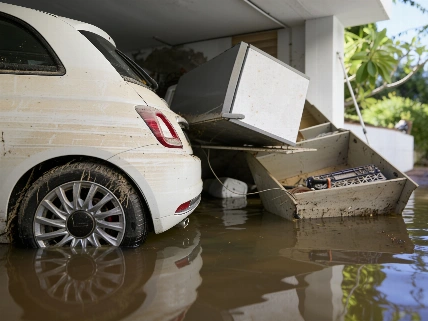
Nearly half of adults in municipalities affected by the Valencia DANA reported moderate or high psychological distress 15 to 18 months after the floods. The preliminary figure is 49%, according to the first phase of the Epidemiological Follow-up Study of Mental Health in the DANA Zone, known as SEDANA-SM, released by Spain’s Ministry of Health on 12 November 2026. The DANA floods struck the area on 29 October 2024.
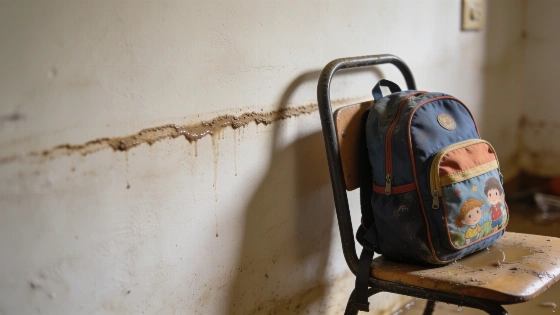
The survey also found symptoms of post-traumatic stress in 22.2% of children aged 6 to 14. One in four in that age group had emotional or behavioural difficulties, while two-thirds of minors faced serious obstacles to attending school regularly after the floods.
The study’s findings come from 7,496 interviews conducted between February and April 2026 across 46 municipalities in Valencia province. Researchers interviewed 6,180 adults and 1,024 children aged 6 to 14, along with 292 adolescents aged 15 to 17. The sample was designed to be representative by age and sex among residents aged six and older. Questionnaires assessed psychological distress and signs of post-traumatic stress, with health-related quality of life also measured. The results are preliminary population estimates from symptom screening, not a diagnosis for every person surveyed.
Among adolescents aged 15 to 17, 39.1% experienced psychological distress and 20.5% showed post-traumatic stress symptoms. The figures cover separate measures of emotional or behavioural difficulties, distress and post-traumatic stress.
For adults, the risk of post-traumatic stress symptoms rose with the severity of direct exposure. The rate was 9% among people whose impact was classed as moderate, compared with 26% among those who experienced the greatest direct impact. That association held after researchers adjusted for age and sex, as well as previous mental-health problems and economic circumstances. Overall, 15.7% of adults showed symptoms compatible with probable post-traumatic-stress disorder, a measure distinct from the 49% reporting moderate or high psychological distress.
Women reported higher psychological distress than men: 54.8%, compared with 41.9%. The survey also recorded personal and material losses. Almost one in four adults said they had lost someone close. Separately, 12.7% had been swept along or trapped by the water, while 32.7% reported major damage to their home. A moderate or severe economic impact was reported by 36% of the population in the area.
The Ministry funded the research with the Conselleria de Sanitat de la Comunidad Valenciana. The project was developed with the Generalitat Valenciana and the CIBER network of the Instituto de Salud Carlos III. The Centro de Coordinación de Alertas y Emergencias Sanitarias (CCAES) and the epidemiology team of the regional government handled scientific and technical coordination; the Instituto de Salud Carlos III contributed to the statistical analysis. The Ministry described SEDANA-SM as one of Europe’s largest investigations into the mental-health effects of natural disasters.
The survey’s findings are preliminary, and the study plan includes two further monitoring phases, one within a year and another after two years. Researchers aim to track which problems resolve and which persist. RUSSPAIN has also covered immediate flood disruption elsewhere in Spain, including school closures in Andalusia.