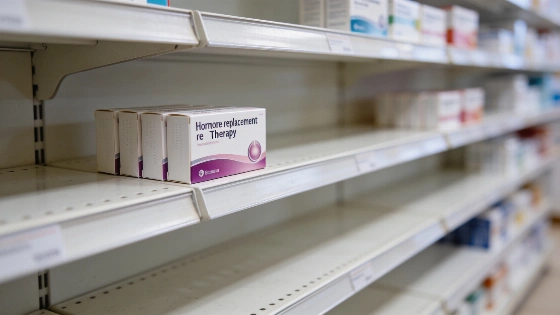
Medicines move along linked routes between health centres and hospitals, as patients and resources cross between the two levels of care. The Xunta de Galicia says its reorganisation is meant to manage those routes across the public health service, rather than leave pharmacy responsibilities with separate care directorates.
The Consejo de Gobierno de la Xunta de Galicia approved a decree changing the structure of the Servicio Gallego de Salud (Sergas). Pharmacy policy will report directly to Sergas management through the Subdirección General de Farmacia. The Xunta says the change will set common standards for efficient care, with quality and safety safeguards in both primary and hospital services.
The Subdirección will retain three departments, with responsibilities split between community and hospital pharmacy. A third unit will manage healthcare benefits and clinical safety. Sergas management will also take on broader coordination of measures to make healthcare provision more effective and sustainable.
The government ties the wider restructuring to longer life expectancy and a growing number of people with chronic conditions, which it says call for more local, proactive care. The reform follows the ‘Plan de reforma da atención primaria e comunitaria 2026-2030’. A new Dirección General de Atención Primaria y Comunitaria, created in June, now has its final regulatory framework. It will coordinate and monitor implementation across Galicia, supported by sub-directorates for care management and professional and resource planning, as well as community care and quality.
Primary-care infrastructure is also on the Xunta’s current health agenda. In a 4 November 2026 release, the government said a new facility in Lugo would centralise outpatient mental-health care in a building beside the CIS and improve the organisation of spaces serving primary care. The project forms part of the first phase of the Consellería de Sanidade’s primary-care infrastructure plan.
That central change is separate from the territorial decree, which the weekly government meeting approved for submission to the Consejo Consultivo. It would establish a Dirección de Atención Primaria e Comunitaria in each of Galicia’s seven health areas, reporting directly to local management. The directorates would manage service demand and oversee clinical scheduling with health-centre service chiefs.
The territorial plan also removes the Dirección Asistencial and creates a Vicegerencia de área to support each management team. A Dirección de Enfermería e Coidados would report directly to the area head, promoting case management and nurses’ participation in cross-service programmes. At the operational level, the new Direcciones de Procesos de Soporte would coordinate and assess local pharmaceutical provision, while monitoring care resources and activity indicators.
Other changes address integration between primary and specialist care. The Dirección Xeral de Integración e Innovación Asistencial will oversee that model alongside its hospital, integration and mental health sub-directorates. The structure also includes a unit for personalised medicine, health outcomes and real-world evidence, linked to precision-medicine projects under the Estrategia Galega de Saúde 2030.
The regulatory redesign provides for a Centro de Protonterapia de Galicia as a specialised care unit within the Santiago de Compostela and Barbanza health area. It is planned beside the Hospital Clínico Universitario compostelano, where it would provide proton-beam cancer treatment and conduct clinical trials alongside translational radiobiology research. Its intended coverage includes Galicia, other regions in Spain’s Sistema Nacional de Salud and northern Portugal.
The governance changes concern healthcare administration. They are separate from the water and energy issues raised in Madrid’s data-centre protest.