The Spanish government is at the center of a tense debate over emergency measures related to the conflict in Iran. The question of what decisions will be made to protect the economy and citizens has become crucial for the whole country. Amid international instability and rising energy prices, attention is focused on how the new initiatives will affect the daily lives of Spaniards and the future of the national budget.
Disagreements within the government
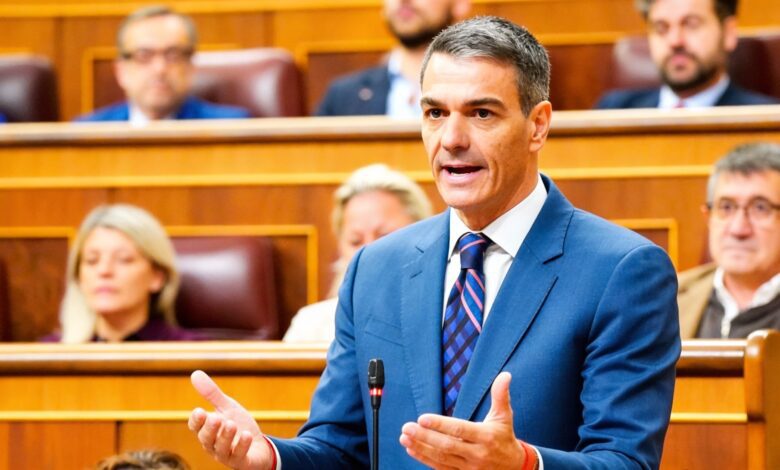
Prime Minister Pedro Sánchez stated that the current priority is the anti-crisis package, not the budget discussion. According to him, the situation requires urgent decisions to minimize the impact on households and businesses. Sánchez stressed that Spain does not support military action but is obliged to protect its citizens from economic turmoil. As El Pais reports, approval of the new package is expected on Friday, although it remains unclear whether housing initiatives will be included.
A heated dispute has broken out within the government and among its allies over whether to include measures supporting tenants and extending rental contracts in the anti-crisis package. Finance Minister María Jesús Montero indicated that the Socialists are not ready to adopt such initiatives without broad consensus. Meanwhile, representatives of Sumar and other left-wing parties believe that the package will be incomplete without housing support. According to El Pais, Bildu, ERC, and Podemos insist on the need to protect tenants, while PNV and Junts oppose such changes.
Positions of allies and the opposition
Behind the scenes at Congress, EH Bildu representative Mertxe Aizpurua emphasized that her party is demanding the inclusion of housing measures, particularly a lease extension. She expressed hope that the government would show flexibility and consider citizens’ interests. However, PNV warned that passing such decisions could lead to unpredictable consequences for the coalition. Maribel Vaquero of PNV stated that her party is awaiting negotiations with the government and will not support the package if it includes controversial initiatives.
Junts deputy Josep Maria Cruset also warned against including anti-eviction measures, calling this unacceptable as part of anti-crisis policy. He stressed that support should address the consequences of the war, not serve political concessions. Finance Minister Montero, meanwhile, expressed a willingness to seek compromises and adjust the package text based on the coalition partners’ positions.
Impact on the economy and budget
Experts note that internal coalition disagreements may delay crucial decisions and affect the country’s economic stability. With the energy crisis already impacting prices and living standards, postponing support measures could worsen the situation. According to El Pais, the government aims to strike a balance between the need for urgent action and the search for consensus among its allies.
The future of the budget remains uncertain. Sánchez did not give a clear answer on whether its consideration would be postponed, citing the priority of anti-crisis measures. Meanwhile, the situation resembles recent challenges in Catalonia, where a decision on the budget depended on negotiations with ERC. More details on how budget disputes affect the regions can be found in the article on funding uncertainty in Catalonia.
Context and recent developments
In recent years, Spain has already faced the need for emergency measures due to external crises. After the conflict began in Iran, the authorities repeatedly approved support packages for families and businesses to ease rising energy costs and protect jobs. Such decisions have always sparked heated debates among parties, especially on housing and social welfare issues. An analysis by russpain.com points out that each new crisis increases pressure on the government and calls for unconventional solutions to maintain stability.