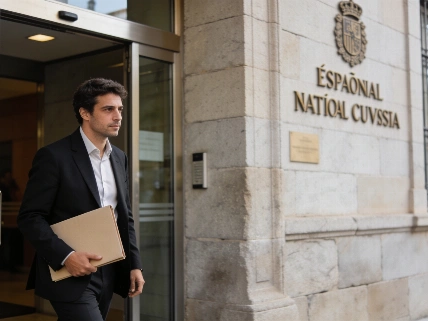
Spain’s Social Security plans to add 1,510 new open-access jobs in 2026. Of these, 1,100 are administrative positions requiring only a Bachiller or Técnico diploma, with no university degree needed. For many seeking stable public-sector work, that makes this a rare chance. The Ministry of Inclusion, Social Security and Migration says the hiring is part of a broader plan to modernize and strengthen the workforce. Specific job competitions will be announced in the coming months.
The annual study grants of 8,400 euros are more limited. Just 23 will be awarded, and they are reserved for candidates preparing for higher-level civil service exams, not most administrative applicants. The job and grant application processes are separate, with no shared forms or overlap. Expansion reports that these grants are a first for Social Security exam preparation and are unrelated to the standard administrative hiring process.
Ten percent of the grants are reserved for candidates with a recognized disability of at least 33 percent. If those places are not filled, they return to the general pool.
Who can apply
Nearly three-quarters of the new jobs are administrative roles open to anyone with a Bachiller or Técnico diploma. A university degree is not required, though the minimum qualification is higher than the basic ESO. Anyone relying on an equivalent qualification must have it officially recognized. These jobs usually involve answering pension questions and processing claims, as well as managing contributions at Social Security offices across Spain. The Ministry says the selection process will be open and competitive, with an emphasis on transparency and equal chance.
More specialized or senior roles, including management, technical and inspector positions, have higher requirements and tougher competition. The breakdown includes 250 management posts, 51 for senior technicians, 45 in audit and accounting, 35 medical inspectors, 15 legal advisors, 10 senior auditors, and 4 for actuaries, statisticians and economists. Each group has its own requirements and selection process, and some places are reserved for candidates with disabilities. The recruitment campaign will run on TV and radio, in print and digital media, and through outdoor ads until the end of September, aiming to reach as many candidates as possible.
The reality behind the grants
The 23 annual grants of 8,400 euros, announced in July, are intended to help a small number of candidates prepare for the most demanding exams. A grant is not a salary and does not guarantee a job. It is competitive support, with strict checks on residency and income, plus a requirement to dedicate oneself exclusively to exam preparation. Applicants must train with accredited centers or tutors and cannot receive similar aid from other sources. Ten percent of the grants are reserved for those with a recognized disability of at least 33 percent.
The grants are unavailable to those preparing for administrative jobs, which account for most of the new positions. They are also separate from the SERÉ scholarships, aimed at judicial and legal careers. Depending on the specific call, payment may come as a lump sum or in installments.
By 2026, nearly 2,000 new employees will have joined Spain's Social Security, and the current recruitment campaign is set to further strengthen staffing levels. The effort reflects the government's commitment to addressing workforce gaps and sustaining public services.
How and when to apply
Applications for jobs and grants must be submitted online, though each has its own timeline and requirements. The official window for grant applications will open for up to one month after the notice appears in the BOE (Official State Gazette), not when the September campaign launches. Candidates should check both the BOE and the Social Security’s official opposition portal for exact dates and instructions. Missing the window means losing the chance. The Ministry publishes eligibility criteria and application details on its website, updating them as new calls are released.
The current job campaign is based on Real Decreto 387/2026, which authorizes the distribution of posts but does not itself open the selection process. Each body and scale will publish its own call, with specific dates, exam formats and assignment of destinations. Internal promotion places are excluded from these figures.
For those seeking a public-sector job, the administrative route offers the widest access, though competition will be tough. The grants support a select few pursuing higher-level roles, with strict requirements and long odds. As Social Security works to fill basic workforce gaps, applicants need to act quickly and meet every requirement.