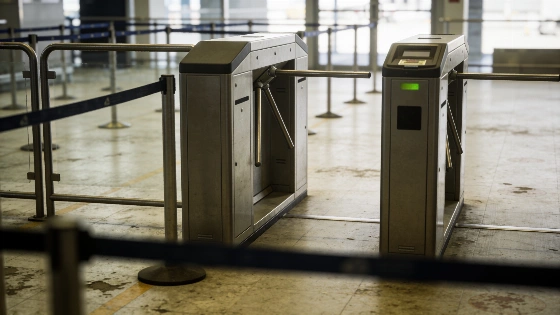
Spain and Italy will end reciprocal checks at airports and ports introduced after the July Ceuta surge. Italy said it had checked more than 180,000 travellers from Spain by 31 August and refused entry to 31.
By 31 August, Italy said it had checked more than 180,000 travellers arriving from Spain. It refused entry to 31 people, including eight Moroccans. Six others were detained.
Spain and Italy have agreed not to extend their reciprocal border checks at airports and ports. Spain’s Interior Ministry said the decision would bring stronger information-sharing to protect security in the Schengen area. No date for the checks to end was given.
The agreement followed a telephone call between Interior Minister Fernando Grande-Marlaska and his Italian counterpart Matteo Piantedosi. They spoke after Pedro Sánchez and Giorgia Meloni met on the sidelines of the European Council.
Italy reinstated checks on 31 July, calling them an extraordinary measure to protect national security and prevent possible repercussions after the mass crossing into Ceuta on 30 and 31 July. Spain began reciprocal checks on 1 August. The measure was extended three times.
The dispute followed the arrival of nearly 80,000 people in Ceuta. Spain also prepared faster return measures for migrants in the enclave, according to earlier reporting on the government’s plans.
Ceuta and Melilla have a specific arrangement under Schengen. Checks take place when people leave by sea or air, the only routes from the two enclaves. Spain’s Foreign Ministry says travellers heading from either enclave to mainland Spain must identify themselves to the National Police at the port or airport.
Rome reinstated checks after the July crisis, and Spain responded with reciprocal measures. On 15 September, Spanish Foreign Minister José Manuel Albares called Italy’s decision a “shame” and “absurd”, while his Italian counterpart Antonio Tajani described Spain’s response as “uselessly aggressive”.