US Threatens to Review NATO Participation over Spain's Refusal of Base Access. The US has questioned its role in NATO after Spain denied access to the Rota and Morón bases. Washington is displeased with Madrid's stance on military operations against Iran. Spanish authorities cite budget constraints as the reason for their decision.
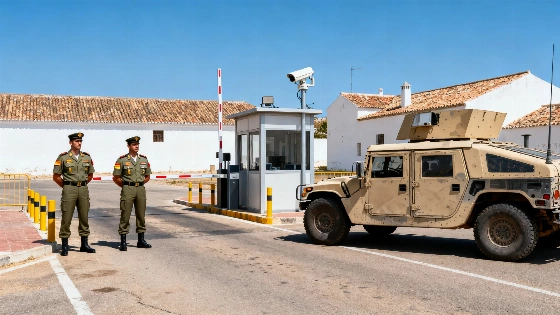
The United States questioned the feasibility of its participation in NATO after Spain refused to provide American military aircraft and forces access to the joint Rota and Morón bases for operations against Iran. This was stated by US Secretary of State Marco Rubio during Senate hearings, where defense cooperation and allied commitments to the Alliance were discussed.
Rubio emphasized that if the main advantage for the US within NATO is the ability to use allies’ military infrastructure, but individual countries like Spain deny such access in critical situations, then the question arises regarding the purpose of remaining in the Alliance. According to him, some NATO members openly demonstrate their stance by restricting access to strategic facilities even during international crises.
During the Senate discussions, the issue of NATO countries fulfilling their commitments to increase defense spending was also raised. Rubio noted that not all states are moving toward the target level of 5% of GDP established to strengthen defense capabilities. Spain, he said, is lagging behind the schedule, arguing it can fulfill the Alliance’s strategic objectives at lower costs. Madrid cites budget constraints and the need to maintain social programs.
The US Secretary of State pointed out that many European countries have managed to build advanced social support systems precisely because the US and NATO have partially shouldered defense expenditures. Now, in his view, the allies will have to choose between raising taxes, cutting social spending, or increasing the military budget. The question of reallocating priorities is becoming increasingly acute amid new security challenges.
The context of the situation underscores that tensions in relations among NATO allies could affect the Alliance’s operational capabilities in Europe and beyond. In recent years, Spain has already faced the need to balance domestic spending with international commitments. Similar disputes over resource allocation and priorities have arisen in other areas—for example, when strengthening security measures for university entrance exams, as new safety protocols were introduced in Andalusia and Valencia, as reported in the article on the use of frequency detectors during exams.
For reference: the Rota and Morón military bases are key shared facilities used by Spain and the US. They play an important role in NATO operations and ensure a strategic US presence in the region. Madrid’s decisions to restrict access to these bases could affect the Alliance’s operational flexibility and spark new debates about the future of military cooperation in Europe.