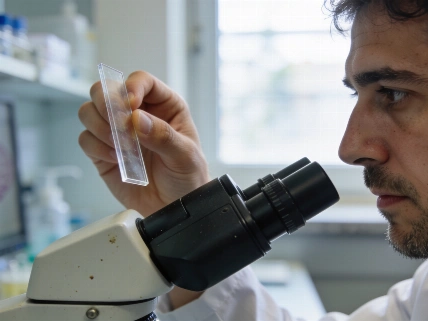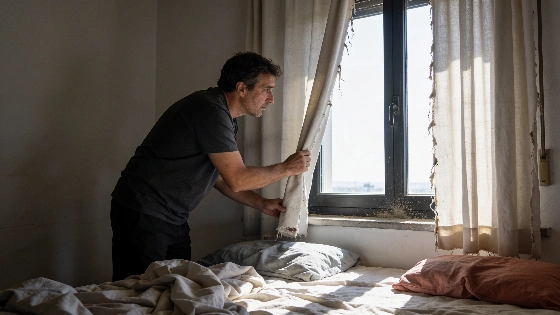
Chronobiologist María Ángeles Rol says Spain consumes more hypnotics than any other European country, pointing to a deeper sleep problem than the clock change. The autumn adjustment is usually easier and adaptation often takes less than a week.
Children and older people are most likely to feel the autumn clock shift, though adjustment usually takes less than a week, chronobiologist María Ángeles Rol said. The clocks went back this weekend, moving Spain to winter time. Under the EU’s current rules, clocks move back on the last Sunday of October and forward again on the last Sunday of March.
Rol, director of the Laboratorio de Cronobiología y Sueño de la Universidad de Murcia, spoke to Hora 14 Murcia. She said the autumn change is usually easier than the spring shift because setting the clock back better matches the body's natural tendency. The Dutch National Institute for Public Health and the Environment (RIVM) concluded in 2019 that keeping winter time year-round would be better for public health in the Netherlands, citing its closer alignment with the body’s natural sleep-wake cycle.
She cautioned against treating the change as a small jet lag. People remain in the same place and under the same cycle of daylight and darkness; only the time shown on the clock changes. Fatigue or a temporary sense of disruption can still occur while the body adjusts.
Rol's sharper concern was Spain's use of sleep medication. She said Spain consumes more hypnotics than any other European country, describing this as a warning of problems that go beyond the twice-yearly clock adjustment. The interview material did not cite figures to support the comparison.
The clock change remains part of an EU-wide system. The European Commission proposed ending the twice-yearly changes in 2018, allowing each member state to choose permanent summer time or standard time. The European Parliament endorsed the proposal in March 2019 by 410 votes to 192, with 51 abstentions, and the original target for implementation was 2021. The proposal has not become law because EU governments in the Council have not agreed on a common approach.
In 2026, the Commission began a study of the practical and legal consequences of ending the changes, including the effects of different permanent-time choices. The study was expected by the end of the year; it does not itself end the clock changes or establish a permanent time regime for Spain.
For the clock change, Rol recommends starting to shift routines gradually rather than waiting until Monday. Natural light also helps synchronise biological rhythms, so getting outside can support the adjustment.
Her broader advice focuses on everyday sleep habits. She recommends spending time outdoors and reducing screen exposure at night. Dinner should be light; she also advises avoiding intense exercise late in the evening and keeping the bedroom cool and dark. Rol says the day should be lived by day and the night by night.