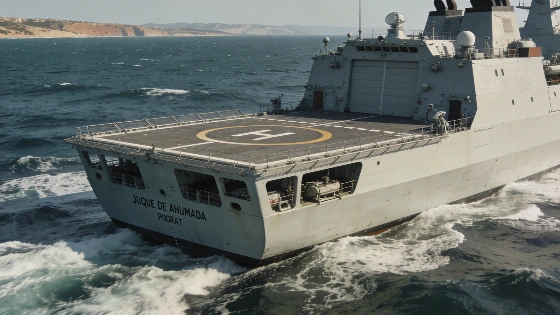
Spain's Interior Minister, Fernando Grande-Marlaska, has asked the European Commission to let the Duque de Ahumada, the largest and most technologically advanced patrol vessel in the Guardia Civil fleet, operate exclusively in Spanish waters throughout 2027. Sent on August 28, the request comes as Spain faces renewed migration pressures, particularly after mass entries in Ceuta at the end of July.
Based in Cádiz, the Duque de Ahumada is built for extended missions: it can stay at sea for up to 30 days without docking and scan seabeds as deep as 1,000 meters. Armón built the ship in Vigo, and it was officially delivered to the Guardia Civil in September 2025. It measures over 82 meters in length, weighs 2,751 gross tons, and has five decks with accommodation for 44 crew members plus 12 additional personnel.
Expanded European Support Requested
In his letter to Beate Gminder, Director General for Migration and Home Affairs at the European Commission, Grande-Marlaska also calls for ten extra Frontex agents to speed up identification and data collection for migrants who remain unregistered. The ministry is seeking more help with interviews and interpretation, alongside Europol cooperation to combat trafficking networks. Spain has also requested an extension of the Minerva operation, which coordinates border management, beyond its scheduled end date of September 2. The letter reiterates Spain's request for €32 million in emergency EU aid and asks to retain EUROSUR satellite services.
Government estimates put the number of migrants remaining in Ceuta at around 5,000. They are awaiting identification and a decision on international protection or return after an estimated 80,000 border crossings in late July. The government says European support will not replace individual case processing; each file will determine eligibility for asylum or relocation, or whether repatriation applies. These measures form part of a broader response to the recent surge in arrivals and ongoing legal proceedings concerning expulsions in Ceuta.
Duque de Ahumada: Capabilities and Humanitarian Role
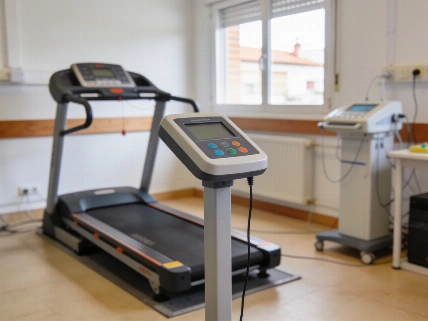
The Duque de Ahumada is equipped for a range of missions. Its onboard facilities include hospital and medical areas, space for at least 100 shipwreck survivors, and separate quarters for women and minors. The vessel also has a morgue and two detention cells, plus rest areas with laundry facilities and a gym for long deployments. These capabilities have proved critical in humanitarian operations, especially during emergencies in Ceuta.
The ship's deck includes a helipad for aerial operations and refueling, along with two high-speed rescue boats. One can reach 60 knots, while the other exceeds 40. The vessel also carries a remotely operated underwater vehicle (ROV) for deep-sea inspections up to 1,000 meters. Often mischaracterized as a manned submarine, the ROV is a tethered robot controlled from the ship for underwater searches and inspections. The vessel can also carry four 20-foot containers, and cranes move equipment and supplies.
Funding and Operational Uncertainties
European funding covered 90% of the ship's nearly €35 million cost. Initial agreements required it to take part in Frontex-coordinated operations for four months each year. A more recent official note from August 2026, but, refers to a six-month annual commitment, pointing to inconsistencies in the documentation. The exact duration of Frontex assignments remains unclear.
The current request aims to keep the Duque de Ahumada in Spanish waters throughout 2027, including during periods under Frontex coordination. Approval from Brussels is still pending, and the ship could operate across different Spanish maritime zones, including areas beyond the Strait of Gibraltar. The European Commission and Frontex will determine the final structure and operational arrangements, including destinations.
Spain faces complex migration dynamics at its southern borders, and the Duque de Ahumada is a basic asset in security and humanitarian efforts. Authorities see its advanced technology and extended range as impressive tools for managing challenges at sea.