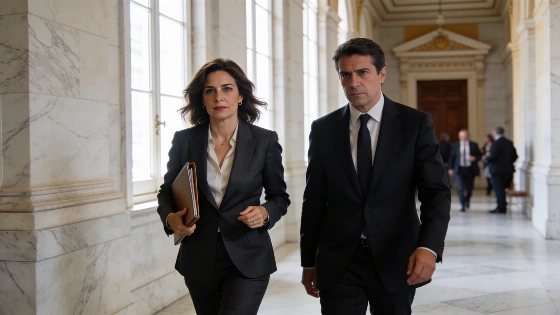
State Prosecutor Teresa Peramato faced sharp questioning in the Senate on 19 June 2026 and declined to discuss meetings between Leire Díez, known by the political nickname “the PSOE’s fixer,” and senior officials at Spain’s Public Prosecutor’s Office, or Fiscalía. At the Senate Justice Committee, Peramato also refused to comment on ongoing proceedings involving Díez and Plus Ultra. She maintained that parliamentary chambers lack the supervisory authority over the Fiscalía that opposition senators asserted, and said she was bound by confidentiality in matters before the courts.
Opposition senators pressed Peramato for details about the frequency and nature of Díez’s visits, as well as any instructions related to high-profile cases. She said the questions rested on subjective assessments rather than established facts. Peramato rejected claims that the Fiscalía formed part of a criminal network, calling the allegations disrespectful to the institution and its approximately 2,800 prosecutors. The dispute set demands for parliamentary accountability against her emphasis on institutional autonomy and confidentiality.
Peramato said information requested by the central investigating court had already been provided. The records covered visitor information from January through June 2025 and meetings from April 2024 through June 2025. She distinguished the court’s requests in an active investigation from senators’ demands for operational details, while declining to discuss individual meetings publicly. The exchange produced no public disclosure of the requested meeting details or instructions concerning the Díez and Plus Ultra matters.
Peramato also rejected claims of internal purges or politically motivated appointments, saying decisions were guided by merit, professionalism and service needs. She described the Fiscal Council’s role as advisory, with no binding authority over discretionary appointments. Senators from the Partido Popular criticized her for not defending prosecutors allegedly threatened by Díez and questioned the lack of official records of her visits. María José Pardo Pumar, representing the PP, accused Peramato of favoring personal and ideological allies and alleged that better-qualified prosecutors had been sidelined. Vox spokesperson Paloma Gómez raised concerns about alleged PSOE influence within the Fiscalía General, while ERC senator Joan Josep Queralt questioned the weight given to statements and schedules attributed to figures including Víctor de Aldama and Díez.
The controversy has also drawn attention to allegations about Díez’s contacts with people connected to the Fiscalía. In a separate El Nacional opinion column, Elisa Beni referred to alleged meetings between Díez and Diego Villafañe, described as a close associate of former State Prosecutor Álvaro García Ortiz. Beni linked the alleged contacts to claims involving efforts against Judge Beatriz Biedma and proceedings concerning the brother of Madrid regional president Isabel Díaz Ayuso. Those claims appeared in commentary and reporting; they were not findings made during Peramato’s Senate appearance.
Peramato’s testimony came amid a leadership transition at the Fiscalía. Álvaro García Ortiz resigned after the Supreme Court disqualified him following a conviction involving disclosure of secrets. The government proposed Peramato as his successor; reporting on the appointment process described a non-binding opinion from the General Council of the Judiciary, a hearing before the Congress Justice Committee, Council of Ministers approval and royal endorsement. That process is separate from the Senate questioning about Díez’s contacts. Spain’s Public Prosecutor’s Office is constitutionally independent, although its head is appointed by the government and expected to act autonomously. The hearing brought the continuing political dispute into focus: how that independence is demonstrated and how public trust is maintained amid allegations of political influence.