Lynx Returns: New Specimens Released into the Wild in Aragon. Iberian lynxes have reappeared in the outskirts of Zaragoza. The Aragon authorities have released two new animals as part of a long-term project to restore this extinct species. The program includes technical monitoring, support for municipalities, and significant investment.
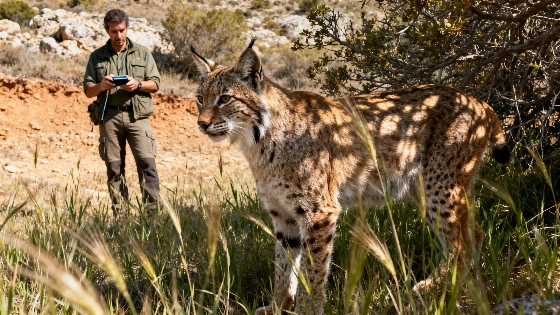
Two Iberian lynxes — Werva and Wound — were released onto a designated site in the Torresilla de Valmadrid area near Zaragoza. This is part of a large-scale program overseen by the Aragonese government to restore a species that had disappeared from the region. Four pairs are planned for release this season, with the population expected to reach eight individuals by 2026. The project is supported by local municipalities, funded by European and regional sources, and also involves private companies.
Werva and Wound arrived from specialized breeding centers: the male from El Acebuche in Doñana National Park, the female from La Olivilla in Jaén. Before their final release into the wild, they will spend about a month in a spacious enclosure to adapt and learn to hunt rabbits. Biologists and specialists monitor the process to minimize risks and increase the chances of successful breeding.
Release schedule
Two pairs have already been released this year: Windtail and Winx (March 17), Worbi and Waka (April 29 and May 27). Werva and Wound are the third pair, and the fourth is expected in early July. All the animals undergo an acclimatization stage, after which their movements are tracked with GPS tags. Authorities plan to release eight individuals each year for four years to establish a stable population.
Why the Huerva valley was chosen
A 27,500-hectare area in the Huerva River valley has been selected for the project, with 70% of the land included in the Natura 2000 network. The area has a high density of rabbits—the main prey of lynxes—and the backing of all 16 local municipalities. According to Aragon's president Jorge Azcón, local government support was the key factor. The Monegros region was previously considered, but rejected due to opposition from several mayors.
Funding and partners
The project's total budget is €1.1 million, of which €920,000 came from European PRTR funds, with the remainder provided by the Aragon budget and private investors. Companies SAMCA and Repsol have joined the initiative. In addition, Andalusia supplied young lynxes for relocation. All animals undergo training in enclosed zones, where they learn to hunt and adapt to new conditions.
First results and scientific findings
The first released lynxes have already explored a territory up to 15 kilometers in radius, visiting neighboring municipalities, but prefer to stay closer to the release site. Additional waterers and artificial ponds have been installed to help them adapt during the hot season. The second pair is just beginning to explore new areas and compete for the best territories.
An interesting coincidence was the recent discovery of an Iberian lynx skull at the Muel archaeological complex. The find dates back to the 3rd millennium BC and confirms that this species inhabited the region thousands of years ago. Now, the government of Aragon, together with the University of Zaragoza and European research institutions, is studying the find to better understand the historical distribution of the species.
How to follow the project
Residents and visitors to the region can observe the program’s development: all lynxes go through an acclimatization stage, after which their movements are monitored by specialists. Another pair is expected to be released soon, and from 2027 the program will continue with new animals. The main goal is not just to bring back a vanished species, but to create a sustainable population while considering the interests of local residents and the region’s natural features.
According to Talent24h, the project to reintroduce the Iberian lynx to Aragon has become one of the most comprehensive examples of restoring extinct species in Spain, combining a scientific approach, community involvement, and long-term planning.