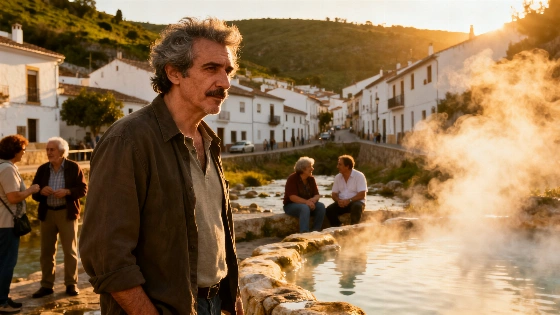
Juan y Medio returns to Lucar: how the TV host lives away from the cameras. Juan y Medio spends his free time in his native Lucar and on a farm in Chinchón. He values a simple life, nature, and connecting with locals. The presenter avoids the bustle of city life after his television work.
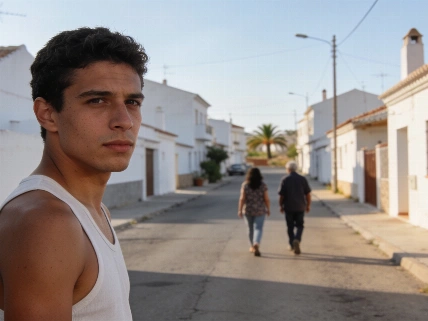
Host Juan y Medio, known to millions of viewers from Canal Sur programs, prefers to spend his free time away from television and the bustle of the city. After finishing his workdays in Seville, he heads to Lúcar—a small village in Almería where he spent his childhood. Here, among rural landscapes and familiar streets, the presenter finds a chance to recharge and stay connected to his past.
Juan y Medio, whose real name is Juan José Bautista Martín, was born in Lúcar 63 years ago. His family was middle-class; his father worked as an ophthalmologist. His childhood memories are linked to life in nature, bike rides, and simple joys that, according to him, are now rarely found among young people. He notes that the street used to be the main place to play, whereas today young people are increasingly drawn to their screens.
Thermal waters and traditions
One of the main attractions for Juan y Medio remains the Balsa de Cela—a natural spring with thermal water located at an altitude of 720 meters. The water temperature here remains at 22–24 degrees Celsius, and the flow reaches 42 liters per second. The presenter regularly meets here with friends and neighbors, many of whom have known him since childhood. In Lúcar, he built a house where he gathers close ones and maintains traditions he considers vital for preserving his roots.
A life between two worlds
In addition to Lucar, Juan y Medio owns a farm in Chinchón, where he breeds horses—a passion he inherited from his father. Chinchón is known not only as the hometown of actor José Sacristán, but also as a place where the TV host can enjoy privacy and tranquility. Here, he cares for the animals and takes a break from public life.
Connection to the past and community role
Juan y Medio maintains close ties with the residents of Lucar. He is the godfather to several children and also serves as a referee at local matches. According to him, the older generation in the village consists of the parents of his friends and former girlfriend. In recent years, especially after his father's death, the host has come to value even more the opportunity to return to his native place and take part in the life of the small community.
Interest in the lives of famous Spaniards in the provinces remains high. Recently, the media was drawn to the news of the death of the first female director of EL PAÍS, who also became a symbol of journalism in the country. You can learn more about her contribution in the article about the fate of Soledad Gallego-Díaz.