A 40dB. survey for EL PAÍS and Cadena SER found that almost three in four Spanish renters fear losing their homes within the next two years, with anxiety sharpest among young people. Spain’s Ministry of Housing Policy estimates that 8.4 million renters could face higher rents after a failed rent cap. Some 1.9 million contracts are about to expire, while another 1.6 million people must renegotiate leases before January 2027.
Among people aged 18 to 45, more than 56% worry about being forced to move for financial reasons. Among all renters, the figure rises to nearly 75%. Based on 2,000 online interviews conducted in late September, the survey comes as Spain’s government remains stuck on housing reforms. High-profile evictions have fueled public anger, and the government has announced urgent housing measures. The Minister of Housing Policy says some families now spend more than half their salary just to keep a roof over their heads.
Spain faces a housing shortage of around 700,000 to 755,000 homes. The deficit could reach 1 million by 2028, BBC and CNN report.
Owning a home is no easy fix. More than half of mortgage holders, 57.4%, spend over 30% of their income on monthly payments. The youngest buyers feel the strain most: 84.2% of centennials with mortgages cross that threshold. Still, the dream of owning a home persists. Of those without property, 83% want to buy, but more than a third believe they never will. Only about a quarter think they might buy within the next decade.
Renters face even steeper odds. Three in four spend more than 30% of their income on rent; among Generation Z, the figure is 84.5%. Few consider their rent affordable: only 6.2% of renters call it low, while most, 62%, say it is high. More than two-thirds of Spaniards back price caps, even if landlords lose out, including over half of PP and Vox voters. In 2024, 28.1% of market renters spent more than 40% of their disposable income on housing, Euronews and Democrata report. Budgets are stretched thin.
Barriers to independence
Rental prices in Spain have been rising faster than wages, increasing by 8.5% in 2025 and nearly 10% in Madrid alone. Meanwhile, the share of the population living in market-rate rentals grew from 13% in 2014 to 17% in 2025. The rental market is now larger and more expensive, BBC and European publications report.
Getting a place of your own is harder than ever. More than half of Generation Z, 52.7%, still live with parents or in-laws, as do nearly one in five millennials. For many centennials, sharing a flat is more common than renting alone: 11.6% live in shared apartments, while only 9.4% have their own space. Most people say housing is harder to get than it was five years ago. In all, 82% say things have gotten worse, and almost 60% call it “much more difficult.” Madrid and Barcelona feel the squeeze most.
Family as lifeline
Family help is often the only way forward. More than a third of homeowners received help from relatives to buy. Among millennial owners, 55.2% needed family support; for centennials, the figure is 65.4%. Renters also lean on family: 21.9% receive regular or occasional help with rent. The share rises to 34.2% for centennial tenants and 32.3% for those in shared flats. For many, family is the safety net.
Political stalemate and public frustration
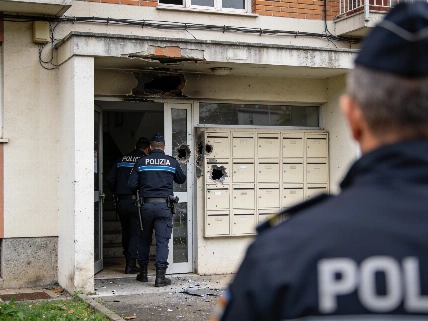
The survey came after the eviction of Maricarmen Abascal and just before the government’s latest housing decrees. The future of the measures is unclear, and political opposition is strong. Housing has become a drag on life plans, with protests and slogans echoing public frustration. As reported earlier, even parties that blocked urgent reforms now face backlash from their own voters as the crisis deepens. Reuters reports that the government has advanced two decrees, including a ban on evictions of vulnerable tenants until 2030. Both depend on a parliamentary vote, and nothing is settled.
Spain’s housing market is a daily struggle for millions. Without real action, the next generation may never find stable housing. Family support has shifted from a privilege to a lifeline, while the cost of inaction is measured in lives put on hold. The system is failing those it should protect.