Across the ten broadcasts, viewers posted 1,421 comments in 22 languages. Maldita.es classified 35.3% as sexual, including 227 as very serious and 275 as serious under its published methodology.
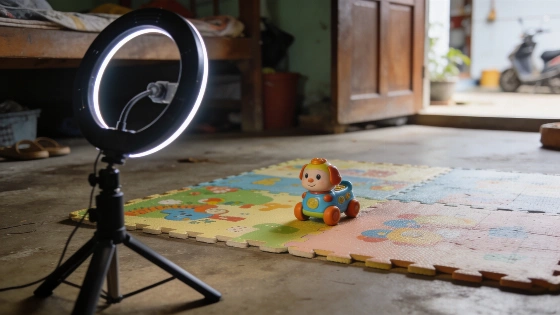
Maldita.es found the streams on the morning of 6 October 2026. Viewers asked mothers to perform sexualising actions involving the children in exchange for TikTok gifts that can be converted into money. Maldita.es watched all ten broadcasts in full and says the comments remained visible while the streams continued and gifts were sent. TikTok stopped none of them.
At least 45 of the most serious comments referred directly to the baby or child on camera. Requests included showing parts of a child’s body, moving the camera closer and lowering a child’s trousers. In comments from 125 accounts classified as serious, the target was the child or the mother, although the report says it was often impossible to determine which.
The comments came from 597 distinct accounts. At least 17 accounts posted sexual comments in two or more of the livestreams. English was the most common language, appearing in 701 comments; Spanish appeared in 66. The streams were broadcast from Vietnam in eight cases, the Philippines in one and Thailand in one.
The nine accounts behind the broadcasts had 31,045 followers and 82,459 likes combined. They also posted clips from livestreams to promote later broadcasts. Maldita.es found videos showing babies’ bodies and described one clip simulating a sexual act with a baby’s foot.
Viewers sent gifts worth 9,648 TikTok coins across the ten streams, equivalent to about €96.48 using one cent per coin as a reference. TikTok’s rules for converting gifts into recipients’ earnings are not transparent, and the report says the platform’s share varies across markets. TikTok still receives a portion of payments made through the gift system.
The findings come amid wider European scrutiny of TikTok’s child-safety measures and platform design. On 6 November 2026, the European Commission issued preliminary findings that TikTok’s “For You” recommendation system may breach the Digital Services Act, including its risk-assessment and mitigation obligations under Articles 34 and 35. The Commission said repeated viewing or engagement could lead the system to recommend increasingly harmful material, including to minors and vulnerable users. Its proposed changes include relying more on users’ explicit preferences and no longer using viewing time as a recommendation signal. The Commission also proposed improving user controls and regularly testing the system. The preliminary findings are not a final infringement decision.
The Commission’s scrutiny of recommendation design is separate from the moderation issues in the livestreams. The findings concerned systemic risks associated with TikTok’s recommender system; they did not address the ten broadcasts described here. Reuters reported that Commission Executive Vice-President Henna Virkkunen said TikTok needed to strengthen efforts to protect users’ well-being, including that of minors. On 12 November, the Commission also sent requests for information to TikTok and YouTube about measures to protect children’s mental and physical health. The requests seek information under the DSA and are not final findings of liability.
The findings follow an earlier Maldita.es investigation that reported more than 1,000 videos involving child sexual abuse and said prosecutors had opened an investigation. The new investigation’s content has also been reported to Spain’s Prosecutor’s Office for Computer Crime.