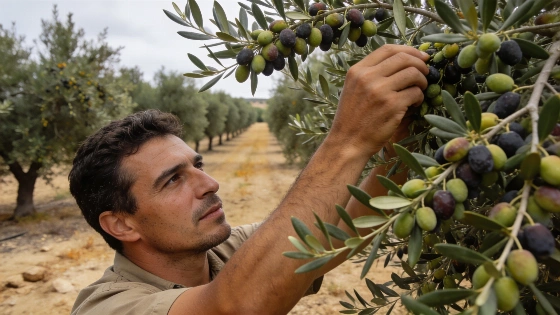
LA UNIÓ’s figures show that about 16,455 hectares of olive groves have been abandoned in the Valencian Community. Some 6,322 have gone out of production in the past five years, as low returns make it harder for growers to keep their land in use.
The gap is starkest in traditional rain-fed groves, the region’s most common type. A study cited by LA UNIÓ puts cultivation costs for mechanisable rain-fed olives at about €4.60 per kilogram of oil, while extra-virgin oil is selling for around €3.20/kg at origin. Lampante oil is quoted at €2.50 to €2.60/kg. Spain’s extra-virgin olive-oil price at origin rose from €2.53/kg in January 2021 to €8.97/kg in January 2024, before easing to €3.46/kg in September 2026, according to market analysis citing European Commission and Ministry of Agriculture data.
At €3.20/kg, a producer selling 1,000kg would receive €1,400 less than the estimated cost of producing it. LA UNIÓ says the favourable harvest outlook does not guarantee a profit when sale prices fail to cover cultivation and harvesting expenses.
The organisation has asked the Conselleria de Agricultura for direct aid of €400 per hectare for traditional rain-fed groves, with professional farmers given priority. The payment would cover part of the income shortfall and discourage abandonment in areas with natural limitations and low productivity.
Spain’s olive oil supply is also expected to increase. Ministry of Agriculture estimates cited in campaign data put 2026/27 production at 1,602,596 tonnes, approximately 23% above the previous campaign. Mild spring temperatures and substantial rainfall supported flowering and fruit set. Opening stocks stood at 357,040 tonnes on 28 October, up 23.3% year on year, bringing total availability close to two million tonnes and above 120% of the average for the previous six campaigns. Andalusia is forecast to produce 1,261,200 tonnes, nearly 79% of Spain’s total.
LA UNIÓ says the larger supply risks putting further pressure on prices unless the market is managed. On 30 October 2026, Spain’s Agriculture Ministry authorized a mechanism for the first time to withdraw olive oil from the market and help stabilize prices; the decision followed the high opening stocks and harvest forecast. The organization also points to imports: Spain brought in 115,300 tonnes of olive oil during the first five months of 2026, 27.5% more than in the same period of 2025. LA UNIÓ identifies Tunisia and Morocco as the main third-country suppliers and says their production costs are lower.
To limit a price collapse, LA UNIÓ wants the Government to use market-regulation mechanisms available under European rules. Its proposal is to temporarily store up to 20% of olive oil production for several months in mills and cooperatives, then return it to sale gradually when market conditions improve. European Commission data show that EU agri-food exports totalled €157.7 billion from January through August 2026, broadly stable year on year, while olive-oil exports declined.