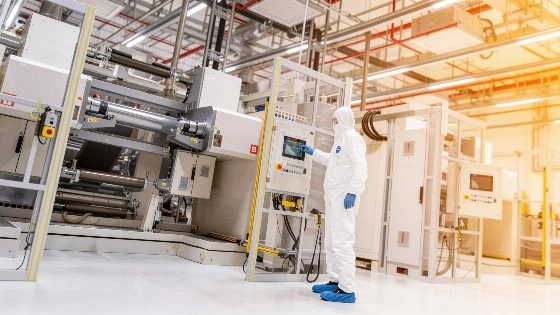
PowerCo and Gotion plan to make up to 100,000 tonnes a year of LFP cathode-active material at a proposed plant in Kenitra. The three linked ventures also include LFP cell factories in Valencia, Spain, and Šurany, Slovakia, with planned annual capacities of 30 GWh and 10 GWh respectively. Some of the Moroccan plant’s output is intended for the European sites.
Gotion would own 51% of the Moroccan venture, with PowerCo holding the remaining 49%. In Valencia, the reported ownership split is reversed: PowerCo would hold 51% and Gotion 49%. The Kenitra and Šurany structures have been signed but remain subject to regulatory approvals and other closing conditions. Volkswagen has said Gotion will contribute up to €1 billion across the broader industrial plan.
For Sagunto, the materials plant is one part of a supply plan whose other major element is the gigafactory itself. Gotion is due to invest about €1.1 billion for a 49% share in the Valencian facility, while PowerCo retains 51% and majority control. Sagunto is scheduled to begin operating in 2027, with initial capacity of up to 30 GWh a year, revised from the previously envisaged 20 GWh. The linked plan pairs European cell manufacturing with cathode-active-material production in Morocco, bringing together PowerCo’s industrial footprint and Gotion’s LFP technology and manufacturing expertise.
The Spanish factory is also part of a broader shift in domestic electric-car manufacturing, including the Volkswagen ID. Polo at Seat Martorell, covered in an electric-car shortlist report.
LFP batteries use phosphate alongside lithium and iron, avoiding the nickel and cobalt used in other chemistries. Volkswagen is pursuing the technology for its potential cost advantages and durability, as well as its thermal stability. Morocco’s estimated phosphate-rock reserves are cited at about 68% of the global total, giving Kenitra a strategic connection to a main battery material. The country is also attracting other battery-material investments: CNGR and Moroccan investment group Al Mada have agreed on a project at Jorf Lasfar valued at about 20 billion dirhams, targeting annual precursor production of 120,000 tonnes. That project concerns precursor materials, a different stage of the battery-materials chain from the cathode-active material planned for Kenitra.
The partnership also shows a supply-chain distinction: Volkswagen wants to reduce dependence on materials imported from China while working with Chinese manufacturer Gotion. The stated approach is to move part of production closer to Europe and diversify where materials are made. Gotion signed an agreement on June 6, 2024, for a battery plant in Kenitra valued at approximately 12.8 billion dirhams; the PowerCo-linked proposal forms part of Morocco’s broader battery-manufacturing expansion.
Volkswagen estimates that LFP could account for 40% to 60% of the European battery market by 2030. The Kenitra project remains subject to regulatory approvals and closing conditions, and no firm start date for supply has been confirmed.