The Chaves Model: How the Governor of Andalusia Is Repeating Past Strategies. On the eve of elections, tensions over the principle of regional equality are rising in Andalusia. The region's new leader is turning to proven methods from the past to strengthen his position and maintain public trust.
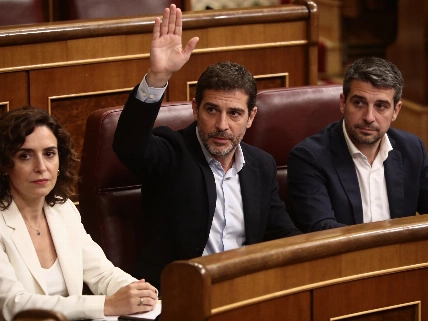
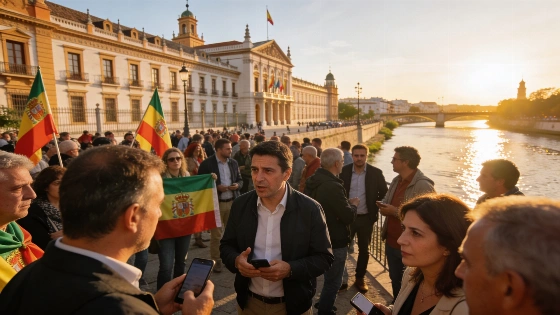
In Andalusia, on the eve of regional elections, the issue of equality among autonomous communities and the region's role in modern Spain has resurfaced. Amid heated debates over the redistribution of finances and the status of historical regions, Governor Juan Manuel Moreno is strengthening his position, employing a strategy that has already brought success to his predecessors.
Change of power and repeat scenarios
Andalusia, the most populous region in the country, has recently become an example of how a shift in the political spectrum does not always lead to radical changes in the governing style. After decades of Socialist dominance, the region came under right-wing control, but the methods of dealing with voters and the focus on social stability remained unchanged. Moreno, who came to power after the unexpected outcome of the 2018 elections, quickly adopted a model once successfully used by Manuel Chaves: emphasis on moderation, personal recognition, and a distance from sharp conflicts.
The role of infrastructure and historical context
Andalusia is a region of contrasts, where modern industrial clusters coexist with areas suffering from the highest poverty rates in the country. In recent decades, large-scale infrastructure projects such as the AVE and the A-92 motorway have been implemented here, reshaping the transportation map and bringing the provinces closer together. However, despite these achievements, the region continues to face challenges: a high level of unemployment, social inequality, and reliance on subsidies rooted in the era of Felipe González.
Equality policy and new challenges
The key principle shaping Andalusia’s political agenda is the demand for equal conditions with other autonomous communities. This slogan, formulated during the transition to democracy, remains relevant today. Moreno actively invokes the issue of equality in debates over funding reform, especially after the agreement between PSOE and ERC, which provoked discontent in the region. According to RUSSPAIN, such decisions by the central government once again raise the question of Andalusia’s status and its place within the system of autonomous communities.
Continuity and public response
A governance model based on personal closeness to voters and the avoidance of drastic reforms has also proven popular in the new political climate. Like Chávez before him, Moreno relies on recognizability and the image of being "one of their own," which helps him maintain a high level of trust. At the same time, as observers note, the lack of structural changes and the preservation of clientelist practices could lead to a repeat of past mistakes.
The question of how sustainable this strategy will be remains open. In other regions of Spain, such as Galicia, changes in power and controversial alliances have already led to noticeable shifts in the political landscape, as explored in detail in the article about the new rules for forming municipal coalitions — more on the situation in Galicia.