Thinking about placing a modular home on your property? In Spain, this idea is becoming increasingly popular, but the actual budget can turn out to be much higher than expected. It’s not just the price of the structure itself—expenses for site preparation, paperwork, and utility connections can easily surpass your estimates. Let’s break down what makes up the final amount and what details can dramatically impact the overall project cost.
First, you need to determine the type of plot you have. Only land officially classified as urbanized allows for residential construction. If you already own the plot, it’s crucial to check its status and the permitted building area. When buying land, you must consider not only the cost of the property itself but also expenses for notarizing the deal, registering ownership, and mandatory taxes such as VAT or transfer tax.
Structure cost
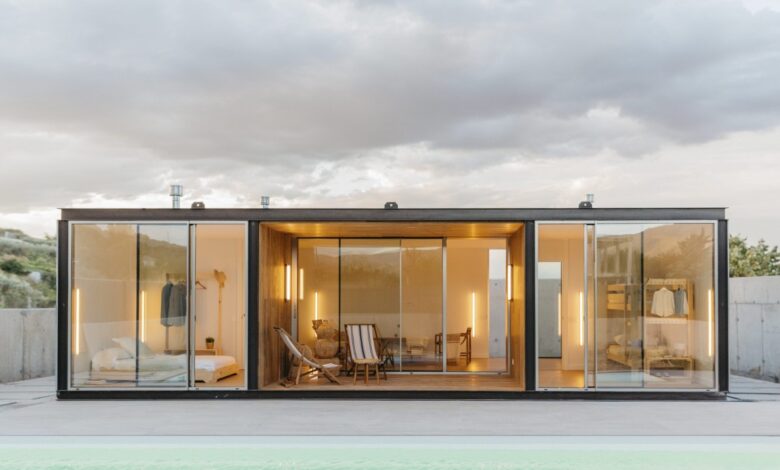
The main expense, of course, is the house itself. The price of modular homes in Spain varies depending on size, materials, finishes, and the region. For example, basic models of 80–90 square meters can cost from €60,000 to €90,000, but custom projects with enhanced insulation and designer solutions will be significantly more expensive. Keep in mind that manufacturers often state the price for just the structure, excluding delivery and installation.
Additional expenses include interior finishes, plumbing, electrical work, and furniture. Some companies offer turnkey packages, but most additional options must be paid for separately. As a result, the final amount may increase by 20–30% compared to the original estimate.
Site preparation
Before installing the house, the site must be prepared. This includes leveling the ground, conducting geotechnical surveys, and laying the foundation. Even if the chosen model doesn’t require a traditional concrete slab, most manufacturers insist on a solid base to ensure the structure’s durability. The cost of this work depends on the terrain, soil type, and the area to be developed.
A mandatory step is a topographical survey, which allows for precise determination of the boundaries and features of the site. On average, specialist services cost between €250 and €400, though the price may be higher for more complex areas. If the site isn’t connected to municipal utilities, additional investment will be required to bring in water, electricity, and sewage.
Delivery and installation
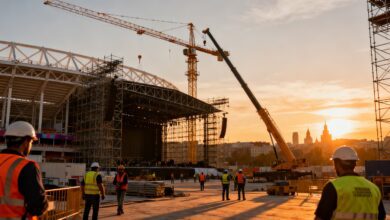
Transporting a modular home is a separate expense. Moving large elements requires special trucks and cranes. The total cost depends on the distance between the factory and the site, as well as the complexity of the access roads. On average, delivery and installation cost between €4,000 and €30,000, which can account for up to 15% of the total budget.
If the plot is located in a hard-to-reach area or on hilly terrain, the cost of the work may increase due to the need for additional equipment and specialists. Sometimes installation takes several days, especially if the house consists of multiple modules or requires complex integration of utility systems.
Registration and Connection
Once construction is complete, the next step is to legalize the property. This involves obtaining a building permit, paying municipal fees, and registering the house in the real estate register. The amount of tax for construction and network connection depends on the region but usually ranges from 3–5% of the project cost. In addition, you will need to pay VAT (10% for private developers) and a commissioning fee (0.5–1% of the estimate).
Don’t forget about the costs of notary services and property registration. You’ll also need to obtain a certificate of completion for construction and connect the house to utility networks. In some cases, processing all paperwork can take several months, and additional expenses may arise even after you move in.
Factors Affecting the Final Cost
The final cost of the project depends on many factors. In large cities, licenses and utility connections are more expensive than in rural areas. If the plot is poorly prepared or hard to access, transportation and installation costs go up. The choice of modern materials and energy-efficient solutions also impacts the budget: high-quality insulation and resource-saving systems require investment, but can help lower utility bills in the future.
The condition of the land also plays an important role. If the plot is already urbanized and connected to utilities, you can save on preparatory work. Otherwise, you’ll need to budget for additional expenses for connecting infrastructure and obtaining permits.
Comparison with traditional construction
Buying a modular home seems like a cost-effective alternative to traditional new builds, especially as real estate prices continue to rise. However, building on your own requires specific skills and experience. Many companies offer ready-made projects and material kits, but without construction expertise, carrying out such a project can be challenging. In the end, savings are only possible with a well-thought-out approach and careful planning at every stage.
For example, in Valencia, installing a 90-square-meter home can cost around €72,000, excluding the price of the land and paperwork. By comparison, a similar apartment in a new development or on the resale market is often more expensive, especially in the suburbs of major cities.
In case you didn’t know, idealista is one of the largest online real estate platforms in Spain. Operating since 2000, the platform features listings for the sale and rental of homes, commercial properties, and land throughout the country. idealista regularly publishes market analysis and provides expert advice on buying, renting, and building real estate. The service is popular among both locals and foreigners planning to move to Spain.