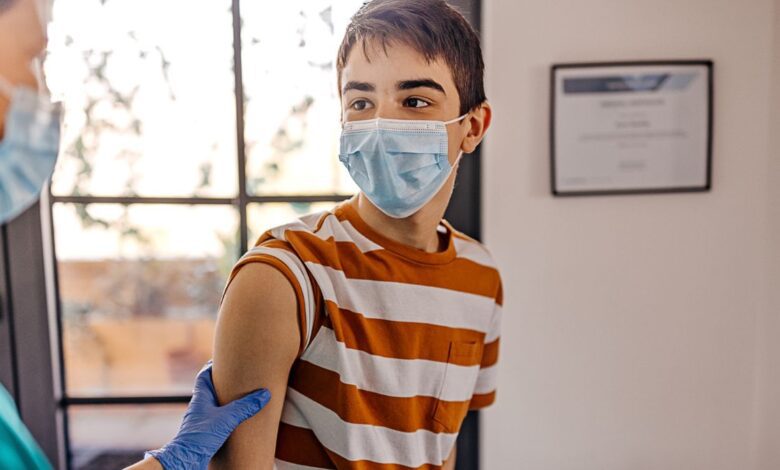
In recent years, medical professionals and researchers have increasingly focused on the issue of inadequate HPV vaccination among boys. While vaccinating girls has already proven effective against cervical cancer, experts emphasize that eradicating the disease completely won’t be possible without also involving boys. New mathematical models developed at the University of Maryland indicate that adding boys to national immunization programs could eliminate HPV-related cancers within a single generation.
In a number of countries, such as South Korea, HPV vaccination efforts still target only girls. However, researchers argue that this approach cannot achieve the herd immunity needed to eradicate dangerous strains of the virus. If vaccination coverage among boys reaches at least 65%, the situation could change dramatically.
A global threat
HPV is one of the most common sexually transmitted viruses. It causes almost all cases of cervical cancer and is also linked to other malignancies such as anal, penile, and oropharyngeal cancers. According to WHO estimates, more than 300,000 people die from cervical cancer worldwide each year.
The first HPV vaccine was approved in 2006 and was initially positioned as a means of protecting women. Over the past twenty years, countries with high vaccination coverage among girls have seen cervical cancer rates drop by nearly 90%. However, men remain vulnerable: in some regions, the number of HPV-related cancers in men has tripled over the past two decades.
Gaps in Immunization
Research shows that to achieve herd immunity in South Korea, nearly all young women—99%—need to be vaccinated. Currently, this rate stands at 88%, which is insufficient to halt the spread of the virus. Mathematical models indicate that if 65% of boys are also vaccinated, the country can achieve herd immunity and significantly reduce disease incidence.
If vaccination rates among girls fall to 80%, then to maintain a chance of eradicating cancer, 80% of boys would need to be vaccinated. This approach would not only protect women but also prevent a rise in cancer cases among men.
A Change in Strategy
The study’s authors emphasize that vaccination policy needs to be revised to include boys aged 12 to 17, as well as women who were not vaccinated as children. Current data show that even in adults, the vaccine can reduce the risk of contracting HPV and developing cancer.
Some countries have already started implementing similar programs. For example, in the UK and the US, boys and girls receive vaccinations on equal terms. Scientists are convinced that only this approach will eventually eradicate cervical cancer and other HPV-associated diseases.
Looking Ahead
Experts predict that if high vaccination rates among both sexes are achieved and screening programs expanded, cervical cancer could disappear in 149 out of 181 countries by the end of the 21st century. The key to success will be involving boys in prevention efforts.
“We should not be losing hundreds of thousands of lives every year to a preventable cancer,” the study authors note. They call for a review of national strategies and urge that vaccination be made as accessible as possible for all adolescents, regardless of gender.
If you didn’t know, Merck & Co. (Merck Sharp & Dohme), the company that developed the Gardasil vaccine, is one of the world’s leaders in biotechnology and pharmaceuticals. Gardasil was the first vaccine approved worldwide to prevent cervical cancer as well as other cancers caused by HPV. The drug is used in over 100 countries and is recommended by the World Health Organization for mass immunization of adolescents of both sexes.