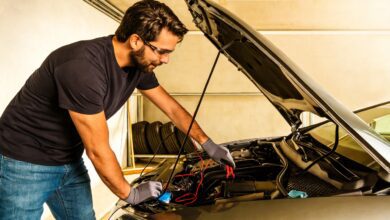
Brake squeal is one of the most annoying and worrying sounds car owners encounter. Even if the vehicle appears to be in good condition, this unpleasant noise can ruin your mood and raise concerns about safety. The reasons can vary, from simple part wear and tear to installation errors. It’s important not to ignore these signals, as they often indicate the need for urgent maintenance.
Many drivers notice that, over time, their car begins to make unusual noises when braking. This may be due to natural wear, but sometimes the problem lies in poor maintenance or low-quality parts. To avoid serious consequences, it’s worth understanding why the squeal occurs, how to eliminate it, and what steps to take for prevention.
Main causes
Most often, squealing is caused by worn brake pads. When the friction layer wears away, the metal part begins to make contact with the disc, producing a distinctive sound. Sometimes the culprit is poor-quality or overly hard pads that don’t fit flush against the disc surface. In such cases, noise can occur even with new parts.
Another common cause is the buildup of dirt and dust in the braking system. Small particles get lodged between the pad and the disc, disrupting even contact and causing squeaking. In conditions of high humidity or sudden temperature changes, rust can form on the components, which also becomes a source of noise.
It’s also important not to overlook insufficient lubrication. If the contact points are not treated with special compounds, friction increases, raising the likelihood of unpleasant noises. Sometimes the problem appears after poor installation: incorrectly fitted parts or missing anti-vibration plates can lead to vibrations and squeaking.
Prevention and maintenance
To minimize the risk of squeaking, it’s crucial to regularly inspect your braking system. Replacing worn parts before they start making noise is key to peace of mind on the road. Don’t skimp on quality: good pads and discs last longer and operate more quietly.
Regular brake cleaning helps remove accumulated dirt and dust. This is especially relevant for those who often drive in cities or humid conditions. After washing your car, it’s recommended to dry the brakes to prevent rust from forming.
Lubricating contact points is another important maintenance step. Use products specifically designed for brake systems to avoid damaging rubber and plastic components. When replacing parts, ensure correct installation and don’t forget to include anti-vibration shims.
What to do if you hear squeaking
If squeaking has already started, first check the condition of the brake pads. Worn or damaged parts should be replaced immediately. Inspect the brake discs: grooves, rust, or warping are reasons to visit a service center.
Clean the system of dirt and dust using a soft brush or compressed air. Then, apply lubricant to the contact surfaces. If the problem persists, check that all parts are installed correctly and that anti-vibration shims are in place. Sometimes switching to softer or more compatible pads can help.
Don’t forget about properly bedding in new parts. After replacing pads or discs, avoid harsh braking for the first 200–300 kilometers to allow the parts to adapt to each other.
Safety comes first
Ignoring brake squeaks is dangerous: this sound may signal serious issues. Regular maintenance and careful attention to detail can help you avoid unpleasant surprises on the road. Remember, timely replacement of worn components is not just about comfort—it’s about your safety.
If you weren’t aware, Spain (España) enforces strict regulations regarding the technical condition of vehicles. Regular inspections at ITV (Inspección Técnica de Vehículos) stations help detect malfunctions at an early stage. Violations related to the braking system can result in fines and a ban on vehicle operation. Drivers are recommended not to delay a service visit at the first sign of trouble, to avoid unpleasant consequences on the road.
Let us remind you that earlier, we explained in detail how to properly change your car insurance company in Spain. In the article “Step-by-step guide to changing your car insurance company in Spain” you will find advice on preparing documents and avoiding fines. This knowledge will be useful for any driver who cares about their car and road safety.