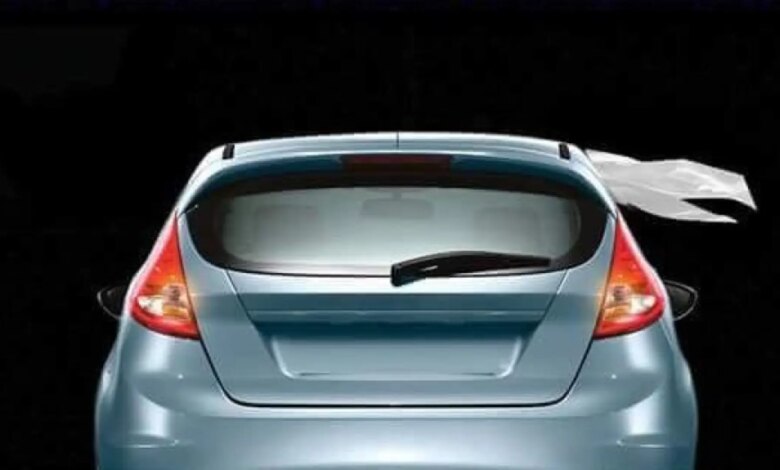
In Spanish cities and on highways, there are many ways drivers exchange information. These include not only familiar gestures but also less-known signals, such as a white handkerchief attached to a car window or mirror.
This element, seen on a moving vehicle, often raises questions among those unfamiliar with local customs. Many drivers, upon seeing this signal, do not immediately understand what it means or how to respond.
In Spain, a white handkerchief prominently displayed on a vehicle serves as a kind of distress signal. This method is used when there is someone in the car who needs urgent medical attention. By using this sign, the driver asks others on the road to show understanding and give way so they can reach a hospital or emergency service more quickly.
Usually, the handkerchief is attached to the side mirror or antenna, making it highly visible to others. In this way, the driver signals the need for priority on the road, underscoring the importance of respecting emergency situations. Such an improvised measure can be crucial when every minute counts.
However, the white scarf also has other meanings. Sometimes it is left on a parked car so that road service employees or the police do not mistake the vehicle for being abandoned if it remains in one spot for a long time. Another use is placing a white bag or cloth over the mirrors to protect them from birds, preventing the car from getting dirty.
Overall, such signals reflect the unique driving culture in Spain, where motorists try to support each other in difficult situations. Knowing these nuances helps drivers better navigate the country’s roads and respond appropriately to unusual signs.