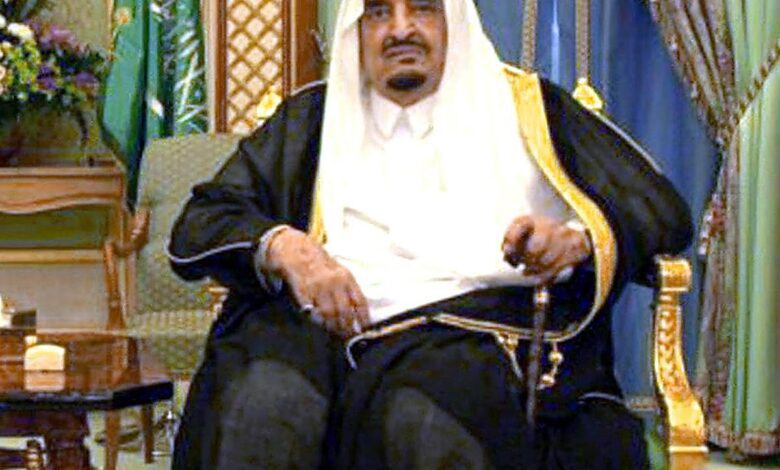
The story of Janan Harb has become a serious challenge to the reputation of the Saudi monarchy, sparking a storm of debate in international circles. A woman who had stayed in the shadows for years suddenly found herself at the heart of a high-profile court case that called the inviolability of the royal family into question. Her revelations not only exposed the inner workings of Middle Eastern elites but also raised questions about women’s rights for those caught in a trap of luxury and tradition.
The scandal erupted when Harb, a former Palestinian and Christian, revealed her secret marriage to King Fahd, which lasted fourteen years. She spent three of those years in a luxurious yet isolated palace in Riyadh, where, according to her, she was effectively held captive. After being exiled from the country and staying silent for many years, Janan decided to speak out publicly, demanding recognition of her rights and the lifelong pension she had been promised.
The gilded cage
Life for Janan Harb in the royal palace resembled a fairy tale with a dark undertone. Surrounded by diamonds, lavish dinners, and endless gifts, behind the facade of wealth lay isolation and constant pressure from her husband’s family. Converting to Islam and secretly marrying Fahd marked the beginning of a new life for her, full of contradictions and dangers.
From the very beginning, the king’s family did not accept his new wife, viewing her as an outsider and a threat to dynastic interests. The conflict became especially acute when Fahd was named heir to the throne. According to Harb, it was her husband’s brothers, particularly Prince Salman, who played a key role in her exile. As a result, she was forced to leave the country and start a new life in London, where she faced loneliness and the need to fight for her rights.
The Price of Silence
Despite her separation from the king, Janan Harb kept the family’s secrets for a long time. However, after Fahd’s death and the family’s failure to honor their promises, she decided to take a desperate step — to go to court and share her story with the world. Her revelations shocked not only Saudi society, but also the Western press, accustomed to the silence of Eastern monarchies.
In her memoirs, Harb describes the king as someone prone to addiction to medication and gambling, and also accuses him of forcing her to have abortions. These accounts came as a true shock to those who had always seen Fahd as a strong and wise ruler. The legal battle, which involved millions of euros and luxury property in London, became a symbol of a woman’s fight for justice and recognition.
Family Intrigues
The legal battle between Harb and the Al Saud family became an unprecedented case for the secretive world of Middle Eastern monarchies. For the first time, the former wife of a king not only spoke openly about her life but also demanded compensation for years of silence and suffering. Negotiations took place in luxurious London hotels, where figures were discussed that could astonish even the most seasoned financiers.
Ultimately, Harb managed to secure an agreement worth over 16 million euros and acquire two luxury London apartments. However, after the king’s death, the family refused to honor the terms of the deal, forcing Janan to once again turn to the public and the courts. Her story became an example of how a personal drama can escalate into an international scandal, impacting the interests of an entire dynasty.
Secrets behind palace walls
Janan Harb’s revelations shattered the myth of inviolability and harmony within the Saudi royal family. Her account of life in a palace filled with luxury and fear sparked a wave of sympathy and interest in the fate of women who found themselves in similar situations. Publications, interviews, and even plans for a film adaptation of her story have turned Harb into a symbol of female courage and the fight for justice.
The Al Saud family, accustomed to resolving conflicts behind closed doors, faced public exposure for the first time. For many observers, this case served as a reminder that even the most powerful dynasties are not immune to internal disputes and scandals capable of altering the public perception of authority.
King Fahd bin Abdulaziz Al Saud, who led Saudi Arabia from 1982 to 2005, was one of the most influential figures in the Middle East. His reign was marked by sweeping reforms, strengthening the country’s position on the world stage, and complex family relationships. Despite his outward rigor and authority, the monarch’s personal life remained concealed from outsiders. The story of Janan Harb was the first to lift the veil on what happened behind the palace walls, revealing that even in a world of absolute power, there is room for human drama and the struggle for justice.