Cayetana Fitz-James Stuart, Duchess of Alba, made history not only as one of the most titled women in Europe but also as a figure whose life was closely intertwined with her family’s most high-profile events. Her three marriages mirrored changes in Spanish society and her personal pursuit of happiness. Each union brought its own dramas, rumors, and public scrutiny, frequently making the Duchess the subject of society pages.
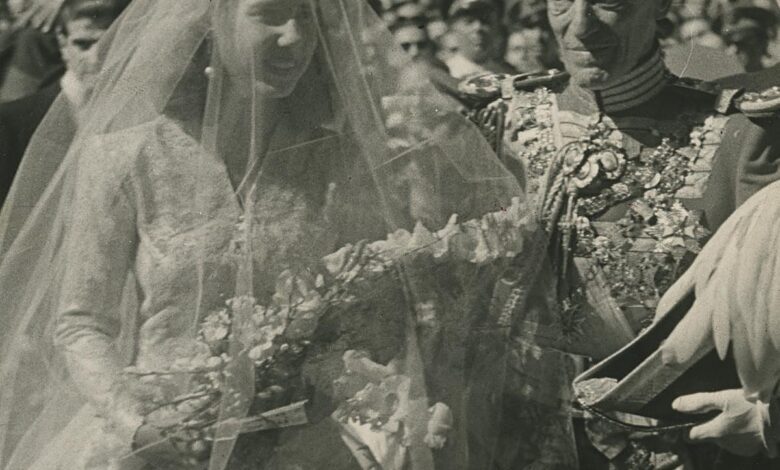
Cayetana’s first wedding took place in 1947. Her chosen groom was Luis Martínez de Irujo y Artázcoz. The celebration was lavish beyond compare: crowds flooded the streets of Madrid to catch a glimpse of the bride, while palace halls brimmed with guests served exquisite food and drinks. By all accounts, it was one of the most expensive weddings of its era. The event drew aristocrats, politicians, and cinema stars alike. From this marriage, the Duchess had six children, to whom she later passed on part of her titles and inheritance.
Cayetana’s second wedding took place three decades later. In 1978, she married Jesús Aguirre, a former priest and well-known intellectual. The ceremony was held privately within the walls of Liria Palace. Among the guests were not only aristocrats, but also scholars, writers, and politicians. Despite being dubbed the ‘wedding of the year,’ the union sparked mixed reactions both in society and within the duchess’s own family. Cayetana’s children had a hard time accepting their new stepfather, seeing him as a difficult person. Aguirre himself was renowned for his erudition, but his relationship with the family was challenging. He passed away in 2001, leaving behind a legacy of conflicting memories.
Celebration and Change
The Duchess of Alba’s third wedding was a real test for those around her. In 2011, at an advanced age, Cayetana married Alfonso Díez, an official in the Ministry of Labour. The decision sparked a media frenzy and confusion among her children. Many suspected that her new husband was motivated by self-interest, but over time these fears faded. Alfonso proved his sincerity and became a source of support for the duchess in her final years.
The wedding was held in a warm and modest atmosphere, which sharply contrasted with the grandeur of her first marriage. Despite her family’s opposition, Cayetana insisted on her choice, emphasizing her right to personal happiness. Later, her children acknowledged that Alfonso brought peace and harmony to the household, and the duchess herself appeared truly happy.
Family Challenges
Each of Cayetana de Alba’s marriages came with its own challenges and trials. Her first union brought her status and a large family, but also attracted public attention and obligations to her relatives. The second marriage was an attempt to find understanding and support, but led to disagreements among those close to her. The third symbolized freedom of choice and independence, despite her age and pressure from her children.
The duchess was never afraid to defy tradition, making her one of the most talked-about figures in Spain. Her private life was always under public scrutiny and her decisions sparked intense debate. Still, Cayetana remained true to herself and her beliefs, allowing her to lead a vibrant and remarkable life.
Legacy and Remembrance
The story of the Duchess of Alba’s three marriages is not only a chronicle of high society events but also reflects changes in Spanish aristocracy. Her life became an example for many women seeking independence and personal happiness. Cayetana succeeded in preserving respect for tradition while boldly challenging social conventions.
Today, the name of the Duchess of Alba is associated with strength of character, independence, and the courage to defend her feelings. Her descendants continue the family traditions, and the memories of her three weddings remain part of Spain’s history.
In case you didn’t know, Cayetana Fitz-James Stuart was not only the Duchess of Alba, but also held the record for the most aristocratic titles in Europe. Her lineage is connected to both British and Spanish nobility, and she was known for her eccentricity and love of the arts. The Duchess was actively involved in charitable projects and supported cultural initiatives. Her palaces and collections still attract the attention of historians and tourists. Since her death in 2014, Cayetana’s legacy lives on through the work of her family and in the memory of the Spanish people.