In recent years, Estepona has become one of the most talked-about cities in southern Spain. For locals, it’s more than just a resort; it’s an example of how infrastructure can develop without losing cultural identity. The city blends modern urban solutions with deep Andalusian traditions, enhancing quality of life and making the region attractive to newcomers and tourists.
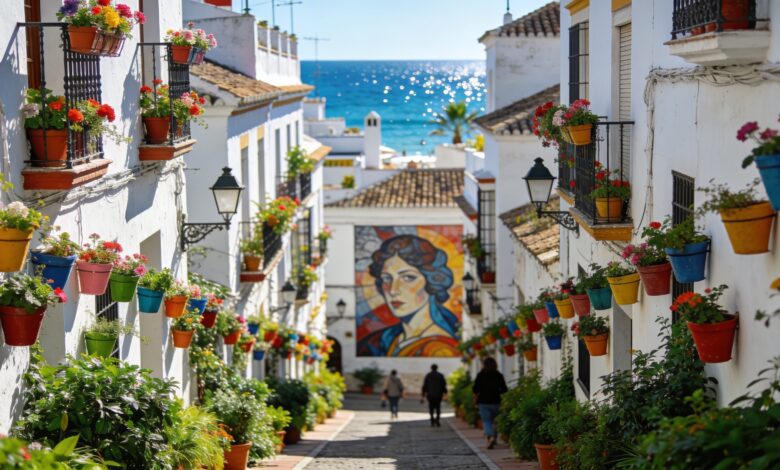
The city is known as ‘El Jardín de la Costa del Sol,’ and with good reason. In the historic center, streets have been transformed into pedestrian zones where building facades are adorned with hundreds of vibrant flower pots. This approach not only creates a unique cityscape but also supports environmental sustainability, an increasingly important issue for Spain. Local authorities prioritize green spaces and architectural preservation, setting Estepona apart from other coastal towns.
A city-gallery
In Estepona, art reaches beyond the walls of museums. More than 60 large murals decorate residential buildings, turning an ordinary stroll into a tour of an outdoor gallery. This project fuels interest in the city and boosts domestic tourism. According to RUSSPAIN.COM, similar initiatives are trending across many Andalusian municipalities, where art is being integrated into the urban environment.
A special spot belongs to the Orquidario de Estepona, a botanical garden housing a collection of over 5,000 plants. Beneath its glass dome are rare species of orchids, making it one of Europe’s most unusual attractions. For Spain, it’s an example of creating new points of interest without harming nature.
Beaches and Ancient Secrets
La Rada and El Cristo beaches are within walking distance of the city center. They are known for their clean sand and well-developed facilities, making them ideal for family vacations. Traditional dishes like espeto de sardinas, grilled right on the shore, are especially popular here. This style of leisure supports local cuisine and preserves the region’s maritime traditions.
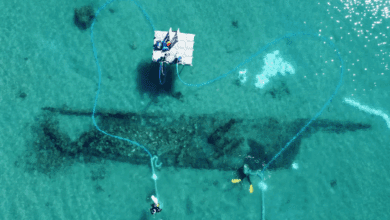
However, Estepona also holds little-known archaeological sites. The Corominas Neolithic necropolis is an underground complex featuring genuine dolmens that are over 5,000 years old. This site rarely appears in tourist guides, but it is of particular value to researchers and history enthusiasts. Interest in such locations is growing in Spain, which is fueling the development of cultural tourism.
Festivals and Traditions
In summer, Estepona becomes a hub of celebrations. In July, the Virgen del Carmen maritime procession brings thousands of locals and visitors to the coast. This event blends religious and maritime traditions, highlighting the city’s connection to the sea. In September, Estepona hosts the Semana de Cine Fantástico y de Terror, a festival that draws genre fans from across the country. Such events create a unique atmosphere and keep the city’s cultural life vibrant.
For those seeking solitude, Estepona offers museums — from archaeological to paleontological — housed in historic buildings. Here, you can explore the region’s history without the bustle of mass tourism. According to experts, such venues are becoming increasingly popular among travelers tired of crowded resorts.
The best time to visit
Estepona attracts visitors all year round, but the May fairs honoring San Isidro Labrador and the night of San Juan with the traditional burning of “júas” are especially popular. These events let you experience the true Andalusian spirit and local customs. Families, like the relatives of Ana Mena, often choose Estepona for permanent residence because it offers comfort, safety, and cultural diversity.
In recent years, Spain has seen growing interest in cities that maintain a balance between development and tradition. For example, in Valencia, authorities have allocated significant funds to support businesses and transport infrastructure, which also boosts the region’s appeal to new residents and investors. Learn more about such initiatives in the article about support measures in Valencia.
In recent years, projects to improve urban spaces and develop cultural routes have become more common in Spain. In Málaga and Sevilla, programs are underway to create new public areas and support street art. Andalucía is seeing a growing number of festivals dedicated to local traditions and gastronomy. These initiatives boost domestic tourism and strengthen regional identity. As a result, cities like Estepona are setting an example for other municipalities seeking to preserve their uniqueness and attract new residents.