Court hearings in the Pujol family case at the National Court have once again caught the attention of Spaniards after an unexpected incident. An error in the witness list led to the interrogation of a woman who had no connection to the investigation. This case not only sparked public debate but also highlighted the importance of accuracy in high-profile proceedings, where public trust in the judicial system is at stake.
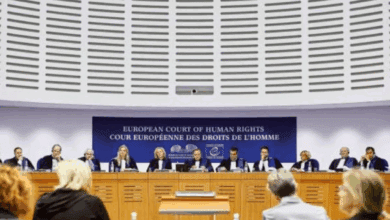
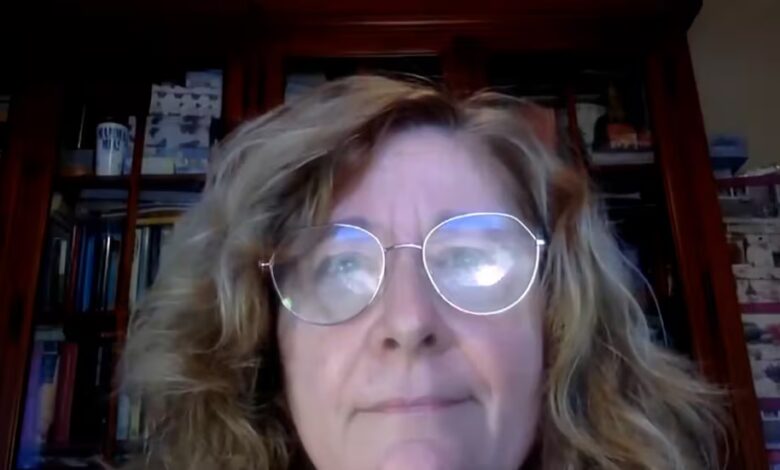
During the latest session, as anti-corruption prosecutor Fernando Bermejo began his questioning, the atmosphere in the courtroom changed abruptly. The witness, who joined via videolink, immediately expressed surprise and confusion about her participation. She emphasized that she had worked as a teacher in a public school all her life and had no links to those involved in the case. A surname mix-up was responsible for the confusion, and her reaction sparked laughter and lively debate among those present.
Realizing the misunderstanding, the prosecutor quickly ended the questioning, but the witness insisted on being checked to completely dispel any suspicion. She openly stated, “Check me if you need to, I am a teacher for the Catalonian government (Generalitat).” Judge José Ricardo de Prada assured her there would be no further questions and apologized for the mistake. Nonetheless, the woman continued to press for clarification, emphasizing that she had repeatedly warned her contact in Madrid about a potential error.
Reaction in the courtroom
The scene not only caused laughter but also sparked discussion among lawyers and other participants in the trial. Some of them declined to ask additional questions, realizing that the situation had gone beyond ordinary judicial proceedings. The witness, despite assurances from the court, continued to insist on her innocence and requested clarification on all details. The judge closed the matter for good, once again apologizing for what had happened and thanking the woman for her participation.
This episode became one of the most talked-about moments of the hearings, highlighting the importance of accuracy and attention to detail when organizing such large-scale proceedings. Errors in documents and lists can not only cause confusion but also call into question the effectiveness of the judiciary. Recalling recent sessions where the judge urged caution during interrogations in cases involving discrediting anti-corruption bodies, as noted in the article about high-profile interrogations in Madrid, it becomes clear that even minor mistakes can lead to unexpected consequences.
Context and consequences
The trial against the Pujol family has been ongoing since last November, marked by numerous interrogations and unexpected twists. A mistakenly summoned witness has become a symbol of how human error can influence the course of a proceeding. Discussions filled the courtroom, with some participants even joking about the incident, adding emotional tension to an already complex case.
Judge de Prada emphasized that such mistakes must not be repeated and promised to take measures to prevent similar situations in the future. Despite the comical nature of the moment, the incident served as a reminder of the need to strictly follow procedures and remain attentive when preparing for court hearings. For many observers, this case was yet more proof that even the most serious trials can have unexpected, and even humorous, moments.
Similar cases
In recent years, Spanish courts have repeatedly faced situations where errors in documents or confusion in witness lists led to comical incidents and delays in the handling of cases. For instance, in one corruption trial in Valencia, the wrong witness was summoned, provoking a strong reaction in the media and among the public. In another case related to a financial fraud investigation in Andalucía, the court had to suspend proceedings due to incorrectly issued subpoenas. Such incidents highlight the importance of carefully verifying every detail when preparing for court hearings to avoid unnecessary complications and maintain public trust in the justice system.