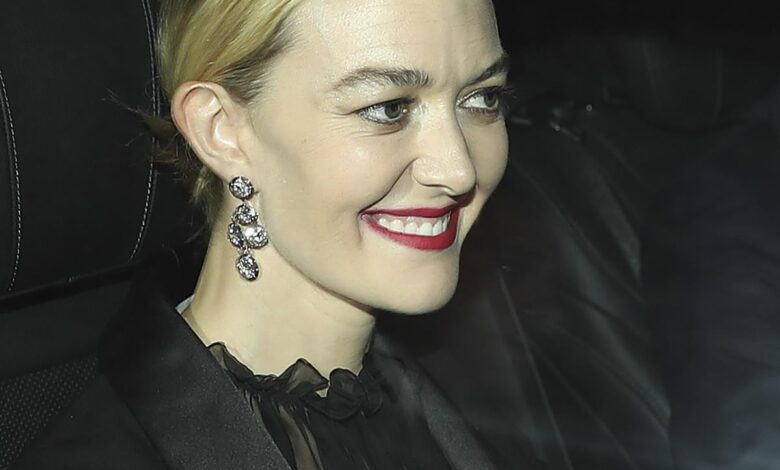
The gathering in Gstaad became more than just another social event—it served as a platform for forging new connections among women who set trends in fashion, business, and culture. The presence of Marta Ortega, head of Inditex, drew attention not only from Spanish but also from international observers. At a time when public appearances are becoming rare among members of the elite, every photo taken together gains special value and sparks discussion in professional circles.
According to Mujerhoy, the Gstaad Contemporary Art Week brought together not only collectors and gallerists but also those shaping the industry’s future. It was here that Marta Ortega presented a retrospective of Irving Penn’s works, previously shown at her foundation in A Coruña. The event became a reason for informal exchanges with women whose names are well known in the world of fashion, design, and entrepreneurship.
Elite circle
The spotlight was on not only Marta Ortega’s traditional friends, such as Eugenia Silva or Carlota Perez-Plá, but also new faces who joined her circle through international projects. Among them was Sofía Sanchez de Betak, an Argentine businesswoman and consultant living in Mallorca. Her husband, designer Alex de Betak, presented an art week installation merging Japanese traditions with Swiss architecture, symbolizing cultural exchange between continents.
A special place in this circle was taken by Martina Mondadori, founder of the Cabana brand, who in a short time turned her endeavor into one of the most recognizable projects in interior design. Her collaboration with Zara Home became not only a commercial success but also the beginning of a strong friendship with Ortega. According to many experts, it is precisely such alliances that shape new standards in the industry.
Reach of influence
The list of participants at the Gstaad meeting reflects the global nature of today’s elite circles. At one table gathered representatives from Europe, Asia, and South America. Natasha Poonawalla, head of an Indian charitable foundation and wife of the leader of a major pharmaceutical company, is known not only for her business achievements but also for her active involvement in international cultural events. Her connections with global leaders in fashion and business make these gatherings particularly meaningful for exchanging experience and ideas.
Tatiana de Pahlen, granddaughter of Gianni Agnelli who turned Fiat into a symbol of Italian industry, was another noteworthy figure. Her presence underscores that modern women from families with long histories do not limit themselves to traditional roles; they actively participate in setting new trends and shaping development strategies.
Quiet luxury and new alliances
Gstaad has long been considered a meeting place for those who prefer understated luxury. It is here that informal alliances are formed, later influencing global markets. For Marta Ortega, such encounters are not only an opportunity to strengthen personal connections, but also to broaden the horizons of her projects by uniting people with diverse backgrounds and perspectives.
A photograph that went viral on social media captured a moment where women from different countries and fields discussed art, business, and the industry’s future. This image has become a symbol of a new era, where female leadership comes to the forefront and the boundaries between countries and professions are blurred for the sake of common goals.
Marta Ortega is one of the most influential figures in modern European fashion and business. Taking the helm of Inditex, she not only continued the family tradition but also elevated the company to a new level, focusing on innovation and international cooperation. Her ability to bring together people with varied views and experiences enables her to create unique projects that resonate worldwide. Thanks to gatherings like the one in Gstaad, a new generation of leaders is emerging—capable of rewriting the rules in the global industry.