In recent years, Oliver Laxe has become one of the most talked-about figures in European cinema, not only for his films but also for his noticeable changes in appearance. His style, once restrained and classic, is now seen as part of his creative identity. According to Divinity, the director’s transformation reflects personal and professional changes, as well as the influence of new cultural trends.
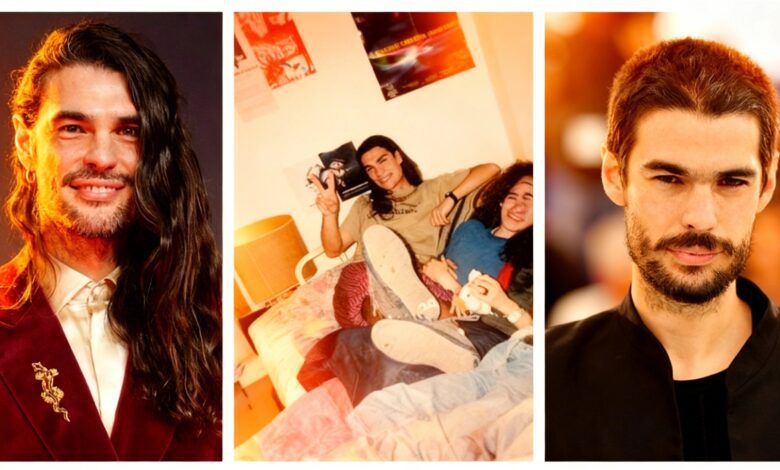
In 2016, when Laxe first began attracting international attention after the success of “Mimosas” at the Cannes Film Festival, his look was very different from today. A short haircut with a hint of classic masculinity and a full beard created the image of an intellectual who had no interest in standing out. At that time, the director favored practicality and did not place much importance on his public image, highlighting his independence and modesty.
However, as Laxe’s popularity and recognition grew, especially after the release of “O que arde,” his style began to change. His hair gradually grew longer and his beard became neater. The director’s appearance took on a freer and more natural look, coinciding with the evolution of his cinematic language. According to Divinity, it was during this period that Laxe’s image acquired traits associated with spirituality and a close connection to nature. He began moving away from urban formality, opting for a more relaxed and natural style.
Transformation and new highlights
By 2021, the changes had become apparent to everyone. At the Malaga festival, Laxe appeared with long, wavy hair that quickly became his signature look. This style combined elements of bohemian flair and rural simplicity, making him stand out among other film industry figures. The director’s hair looked well-groomed yet devoid of excess artifice, highlighting his pursuit of naturalness and harmony with the world around him.
Since 2025, when “Sirat” brought Laxe international recognition and new awards, his long hair has been a topic of discussion not only among fans but also industry professionals. As noted by Divinity, the director openly shares that he does not use special hair care products, preferring simplicity and advice from friends. Experts emphasize that the secret to his look lies in avoiding dye, chemicals, and hot tools, which helps preserve the natural structure and health of his hair.
Laxe’s appearance has become so recognizable that even small changes, such as being clean-shaven, attract public attention. His style blends relaxed elegance and inner freedom, setting him apart from other directors. This approach to his image is seen as a continuation of his creative philosophy, where not only form but also substance matters.
Personal and professional
Changes in Laxe’s appearance are closely tied to his personal journey and professional achievements. His current look is not just about following fashion trends but reflects an inner evolution and new perspectives on life and art. Minimalist clothing, calm gestures, and long hair have become symbols of this new chapter, which coincides with his work on the Casa Quindós project in Galicia. Here, Laxe focuses on community development and supporting economic initiatives, which also shape his worldview and lifestyle.
According to Divinity, the director’s evolving appearance is seen as part of his overall journey—from independent filmmaker to acclaimed auteur, whose image has become another form of self-expression. His style today is the result of years of self-reflection, a search for harmony, and a commitment to authenticity in everything he does.
Oliver Laxe is a Spanish film director known for works such as “Todos vosotros sois capitanes,” “Mimosas,” “O que arde,” and “Sirat.” His films have been recognized at major international festivals, and his distinctive style has sparked discussion both among professionals and the general public. Laxe is actively involved in social and cultural projects, with a special focus on promoting development in the Galicia region and supporting local initiatives. His approach to life and creativity is marked by simplicity, spirituality, and respect for nature.