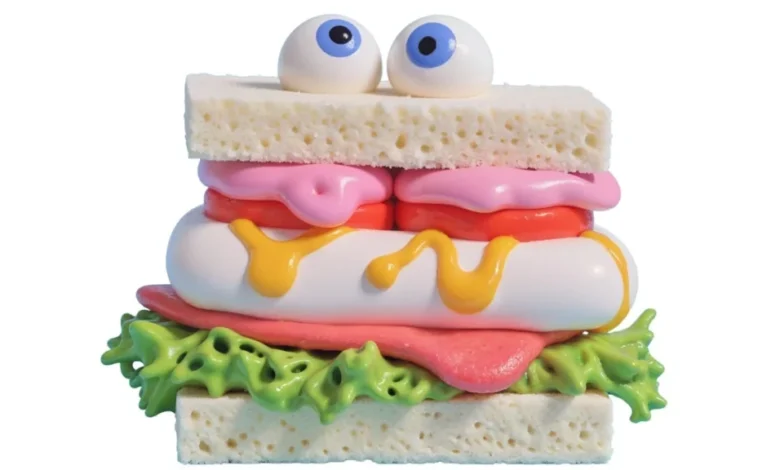
Ñam Ñam Festival in Madrid has become a standout event for everyone following developments in gastronomy. The organizers moved away from the traditional restaurant tasting format, offering visitors a new way to explore cuisines from around the world. Now, gastronomy is seen not as a static menu but as a dynamic journey where each participant chooses their own path and style. This format lets people not only try dishes but also experience cultural exchange—especially relevant for Spain’s capital.
The festival is backed by major brands including Mahou, Visa, Viña Pomal, Turismo de Tenerife, and Neolith. Tilda, Pasta Garofalo, Go-Tan, Lateado Pascual, Aceite de Oliva de España, and local authorities have also joined as partners. Thanks to this support, the event has become one of the season’s most prominent gastronomic initiatives, attracting both locals and visitors from other regions.
European Route
The European segment of the festival focuses on blending tradition with modern techniques. Projects like Surco by Barro, Monte, and La Casa de Manolo Franco emphasize the importance of local products and seasonality, while Gozar and Arsa focus on the emotional side of cuisine. Wine spaces Bocanada and Campo a través invite guests to discover natural wines, reflecting a growing interest in new beverage trends. This approach offers a fresh perspective on European gastronomy, where the story behind each dish is just as important as the food itself.
Asian Highlights
The Asian segment of the festival stands out for its precision and originality. Nato Robata brings Japanese fire-cooking tradition to the streets, while Haranita and Itama show how classic recipes can be combined with contemporary trends. The Ausiàs and AMA projects blur national boundaries, offering dishes that are hard to classify under a single cuisine. Here, street food is more than a quick snack—it’s a full-fledged gastronomic experience available to everyone.
Latin American experience
Latin American cuisine holds a special place at the festival. Tripea, Insurgente, and Ayawaskha focus on blending techniques and cultures, while Gustoo and Rapaz highlight the importance of product origin and cultural context. In this segment, cuisine becomes a way to tell a story rather than simply feed the guest. This approach reflects current trends where gastronomy is part of a cultural dialogue.
Spanish scene and culture
Modern Spanish cuisine is showcased by projects like Aquiara, Ancestral, and La Llorería, who experiment with formats and presentation. Hidden Coffee Roasters turn coffee into a ritual of its own, while Fango by Barro explores the creative possibilities of cocktail culture. Music and cultural projects have become an essential part of the festival: 1111, Bistec Music, El Cuerpo del Disco DJ, and DJ Foie Gras create an atmosphere where gastronomy is closely intertwined with art and entertainment. Even retail collaborations, such as The Bear T-Shirt x Redcast Heritage, highlight the connection between food, fashion, and design.
Ñam Ñam Festival shows that gastronomy in Madrid goes beyond traditional formats. Here, everyone can choose their own route, sample dishes from different countries, and become part of an ever-changing scene. This approach makes the festival not just a tasting venue, but a space for new discoveries and social interaction.
Ñam Ñam Festival is an annual event in Madrid that brings together top chefs, young gastronomy enthusiasts, and representatives of the creative industries. The festival stands out by offering not only haute cuisine but also street food, drinks, music, and design projects. With support from major brands and local authorities, the event has become one of the capital’s key platforms for exploring contemporary gastronomic trends and cultural initiatives.