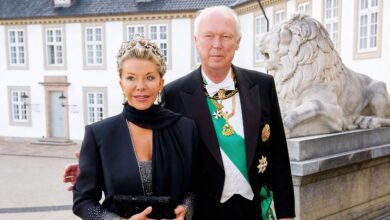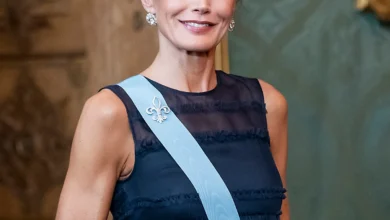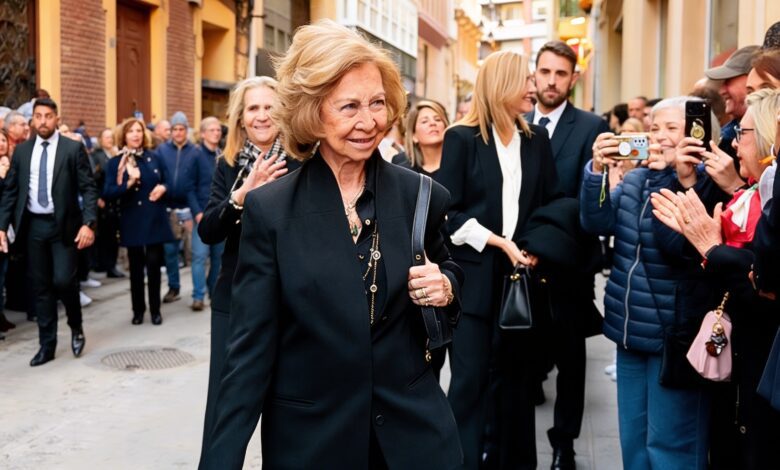
Easter days in Murcia in 2026 were marked not only by traditional processions but also by the unexpected visit of Queen Sofía, accompanied by Infantas Elena and Cristina. Their presence at religious events sparked significant public interest and highlighted changes in the royal family’s usual schedule. Following recent personal losses, including the passing of her sister Irene and close friend Tatiana Radziwill, Sofía was not alone—her daughters accompanied her throughout the trip, making a visible gesture of support and unity.
At the start of Holy Week, the family traveled to Mallorca, where the annual Easter concert took place at the Santa María de Mallorca Cathedral. This event is traditionally linked to charitable initiatives within Proyecto Hombre, and Sofía had previously attended together with Irene. This year, the infantas accompanied their mother, supporting her in her sister’s absence. After Mallorca, the royal family’s route led them to Murcia, where their meetings with locals and participation in the processions became some of the week’s most talked-about events.
Public recognition
Before one of the main processions in Cartagena began, Queen Sofía and her daughters were accompanied by the city’s mayor, Noelia Arroyo. Their walk through the historic center concluded with a visit to the headquarters of Cofradía California, where the family received commemorative gifts reflecting local identity. Among them was a handmade silk scarf, created by artist Rosa Torres and inspired by the architecture of the Teatro Romano. Sofía immediately put on the accessory, a gesture that did not go unnoticed by those present.
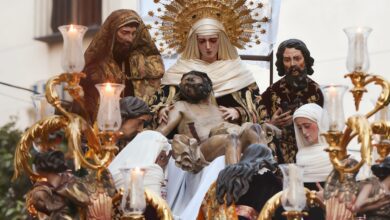
That evening, public attention focused on the royal family’s participation in one of the most important processions—the Solemne Procesión del Silencio y Santísimo Cristo de los Mineros, organized by Cofradía California. This nighttime march is known for its unique atmosphere: streets are plunged into darkness, broken only by candlelight, while participants maintain complete silence. Sofía, Elena, and Cristina observed the event from the balcony of the Real Sociedad de Amigos del País, where they were joined by representatives of local authorities and community organizations.
Tradition and new highlights
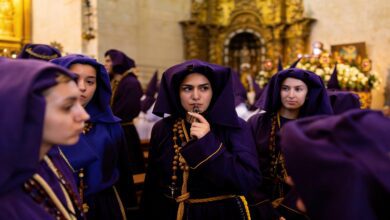
The next morning, the family once again drew public attention as they took their seats on a special platform near the entrance to the Episcopal Palace. Here, another important regional procession took place — the Salzillos parade, where participants dressed in purple handed out sweets and beans to the crowd. This gesture brought a smile to Queen Sofía, and the people of Murcia showed her genuine respect and affection. According to RUSSPAIN.COM, such moments become not only part of religious traditions, but also a significant aspect of public life, strengthening the bond between the monarchy and the people.
Interest in the family stories of Spanish aristocracy remains high: curiosity about the past and present of royal dynasties is fueled by new publications about other prominent families. For example, a feature on rare episodes from the life of Duchess de Alba, based on Cayetano Martínez de Irujo’s book, reveals little-known details and personal memories, offering a fresh perspective on tradition and continuity. Read more about this in the article about the family stories of the Duchess de Alba.
Personal and public
The appearance of Sofía and her daughters at public events in Murcia was not only a display of personal resilience, but also an important signal to society. At a time when the royal family faces losses and change, their show of unity takes on special significance. Local residents welcomed the guests enthusiastically, and the attention to detail—from souvenir presentations to participation in religious processions—emphasized the mutual respect between the monarchy and the public.
Queen Sofía, originally from Greece, holds a special place in modern Spanish history. As the wife of King Juan Carlos I, she has been actively involved in public and charitable work for decades, supporting cultural and educational initiatives. Her daughters, the Infantas Elena and Cristina, are also known for their engagement in social projects and for supporting their mother in difficult times. Their joint appearances at public events are seen as a symbol of continuity and stability within the royal family, which is especially evident during times of public and personal challenges.