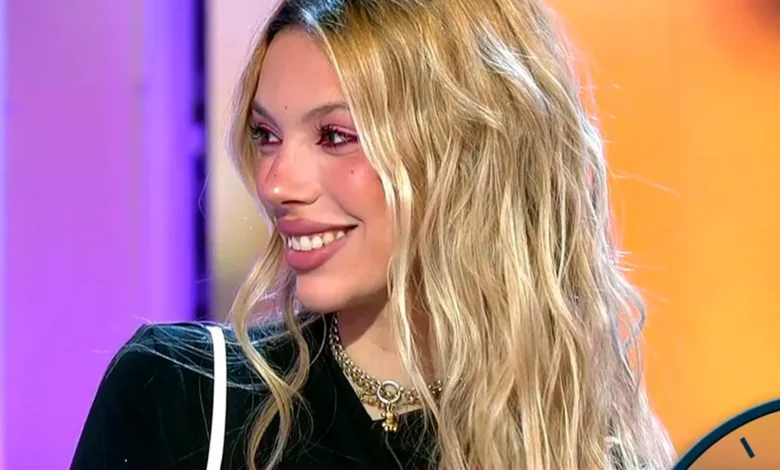
The arrival of a new author on the Spanish book market always draws attention, but when it comes to someone with a well-known surname, interest in the debut increases dramatically. Alejandra Rubio, daughter of Terelu Campos, has released her first romance novel, immediately sparking discussion and debate. Her decision not to use a pseudonym and to openly introduce herself as an author provoked mixed reactions: some offered support, while others questioned the independence of her work and her motives for publishing.
According to Divinity, Alejandra Rubio’s novel, which is already available for pre-order, was written over nearly two years. During this time, the author not only worked on the plot and characters but also navigated personal changes, including motherhood. Despite her public image and constant media attention, the writing process remained a secret even from close friends. Only a few people in her inner circle knew about the project, allowing her to preserve the intrigue until the official announcement.
The novel’s plot centers on a young woman named Karla, who faces a difficult choice between her feelings and her moral principles. The story explores themes of prejudice, social adaptation, and internal struggle, making the book especially relevant for a young audience. According to Alejandra herself, she aimed to create a light, captivating work that would engage readers from the very first pages. However, not everyone received the new release positively: social media users accused her of relying on a team of ghostwriters because of her famous surname, or claimed the book was simply an attempt to capitalize on her family’s popularity.
Response to criticism
In response to the attacks, Alejandra Rubio chose not to avoid tough questions. On popular Spanish TV programs, she spoke in detail about her writing process, emphasizing that she worked on the text independently, without assistance from outside writers. She admitted that she expected skepticism and even negativity, but had been prepared for it from the very beginning. In her words, criticism is an inevitable part of public life, especially when it comes to creative work, and it is important to distinguish constructive feedback from outright hate.
Alejandra emphasized that her novel is not a scientific work or an autobiography, but a lighthearted contemporary story about love and self-discovery. She believes every reader will find something relatable in the book, and that the author’s sincerity and personal experience bring extra depth to the story. Despite facing pressure and doubts from some of the audience, Alejandra has no intention of giving up on her literary ambitions and is already thinking about new projects.
Public reaction
Discussion of Alejandra Rubio’s debut has spread far beyond literary circles. On social media and television, debates continue about whether it’s fair to judge talent by surname and whether young authors from the media scene deserve the public’s trust. Many note that such debuts are often met with envy and prejudice, but stories like these can inspire others to pursue creative paths of their own.
At the same time, some critics point out that success in the publishing world increasingly depends not just on literary talent but also on the author’s media presence. This raises questions about equal opportunities for aspiring writers without recognizable names. Nevertheless, interest in Alejandra Rubio’s novel remains strong, and pre-order sales indicate high demand among young readers and fans of contemporary Spanish literature.
Alejandra Rubio represents a new generation of Spanish media personalities who are unafraid to explore various fields. Her literary debut was not only a personal challenge but also sparked a broad discussion about the role of publicity, talent, and bias in contemporary culture. Despite criticism, she remains actively involved in public life, developing her own projects and maintaining a connection with her audience through social media and television.