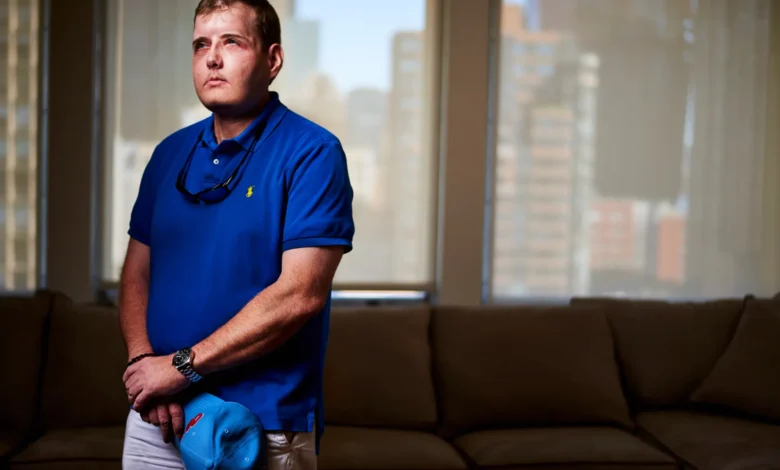
Face transplantation is not just a medical miracle but a true fight to reclaim life after devastating injuries. For many patients, it is the only chance to regain a human appearance and the ability to interact with others. Yet this comes at a high price: not only extremely complex surgery but years of rehabilitation, psychological challenges, and the constant risk of the new face being rejected.
Over the past two decades, fewer than fifty people worldwide have undergone such operations. Each case is a unique drama, where not just appearance but life itself is at stake. In Spain, as elsewhere in the world, these interventions remain the exception rather than the rule. The reasons doctors opt for transplantation are always linked to irreversible damage: severe burns, serious injuries, or consequences of cancer. When conventional plastic surgery is powerless, only one option remains — a face transplant.
Causes and consequences
Patients in need of face transplantation have faced the aftermath of catastrophes: car accidents, assaults, and accidents. Among them are victims of fires, chemical burns, pyrotechnics explosions, animal attacks, and even assassination attempts. For example, one of the first patients lost part of her face after being attacked by her own dog, while another man suffered severe burns while saving people from a fire. In China, a patient received a face transplant after a bear attack, and in France — after a firecracker explosion.
The causes sometimes include rare genetic disorders such as neurofibromatosis, in which tumors deform the face beyond recognition. In certain cases, a transplant becomes the only chance at a normal life. However, even after a successful operation, patients face new challenges: constant use of immunosuppressants, risk of infections, and psychological adjustment to their new appearance.
Challenges after surgery
Not all stories have a happy ending. Out of 49 patients who underwent face transplantation, ten could not cope with the consequences. The reasons for these tragedies vary: complications from medication, infections, cancer, and sometimes psychological issues leading to patients refusing treatment or even committing suicide. Doctors emphasize that surgery is only the beginning of a long journey, where support from family and specialists is crucial.
There are cases when the transplanted face must be removed due to rejection. The patient then finds themselves isolated again, unable to see, eat, or breathe properly. Sometimes, it’s possible to find a new donor and perform a second operation, but this always carries enormous risks. There have been cases worldwide where a patient received two face transplants, and only thanks to the persistence of doctors and a bit of luck was it possible to restore the person’s life.
Russian experience
In Russia, such an operation has been performed only once—in 2015. A young soldier suffered severe burns and an electric injury, undergoing more than 30 surgeries. It took nine months to find a suitable donor, after which a team of surgeons from Saint Petersburg decided to attempt this unique procedure. The donor’s face was delivered by a special flight, and the donor’s body was buried with a silicone mask. Years later, the patient not only recovered but also started a family, graduated from university, and is expecting a second child. This case has become a symbol of hope for many facing similar circumstances.
However, even such success does not eliminate the challenges: a shortage of donors, limited time for tissue transportation (no more than four hours), and the need for strict patient selection. Many never get a chance at a new life, remaining trapped by their injuries.
Psychological barriers
Face transplantation is not only a physical ordeal but also a serious psychological challenge. Patients face changes to their identity, reactions from others, and the fear of rejection. Recent international guidelines emphasize that without psychological support and social integration, the success of the surgery is uncertain. Doctors are increasingly paying attention to the need to prepare patients for life with a new face, since returning to their previous life is impossible.
One of the renowned surgeons who participated in similar operations noted that for some patients, the most difficult part is not the surgery itself but life afterwards—the constant attention, questions, and sometimes even aggression from society. This is felt especially acutely by those who have children: fears for their future and concerns about how they will perceive a parent who has changed.
The future of transplantation
Despite all the challenges, face transplantation remains one of the most remarkable achievements of modern medicine. Each new case represents a step forward, bringing new knowledge and experience that could save lives in the future. However, this procedure will not become widespread: there are too many risks and the cost of error is too high. In Spain, as in other countries, doctors continue to look for ways to make such surgeries safer and rehabilitation more effective.
In the coming years, we can expect new technologies that will help reduce the risk of rejection, simplify donor searches, and speed up patient recovery. But for now, face transplantation remains an option for the few—for those who have reached the edge and were brave enough to take a step into the unknown.
Patrick Hardison is one of the most well-known recipients of a face transplant. His story began with a tragedy: while fighting a fire, he suffered severe burns that completely changed his appearance. Years later, he underwent one of the most complex surgeries in medical history. After a lengthy rehabilitation, Hardison was able to return to an active life, becoming a symbol of courage and hope for thousands of people around the world. His example has inspired many doctors and patients not to give up in the face of the most difficult challenges.