Unique animals on the brink of extinction
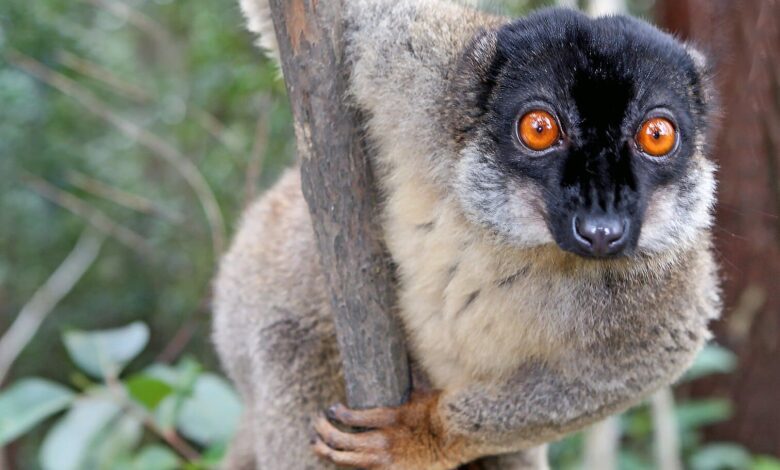
Lemurs, found only in Madagascar, play a vital role in maintaining the balance of local ecosystems. These primates not only attract tourists, but also help with seed dispersal and plant pollination—crucial for preserving the island’s forests. However, in recent years, their numbers have been plummeting.
The main reasons are deforestation, climate change, and poaching. Recently, another factor has emerged—growing demand for lemur meat among the country’s wealthy residents. This trend has become a serious challenge for the conservation of these rare species.
How Madagascar’s wealthy are driving a dangerous trend
Research by an international team of primatologists led by Cortni Borgerson has found that over the past year and a half, a trend has emerged on the island for consuming lemur meat as a delicacy. While in the past, hunting these animals was a last resort for poor families, it has now turned into a lucrative business catering to elite tastes.
A large-scale survey of markets and cities revealed that nearly all participants in the trade know their actions are illegal. Despite fears of punishment, many continue to participate in the trade because profits from selling lemurs far exceed those from other meats. Wealthy buyers are willing to pay several times more for a carcass than for beef.
Hidden schemes and the scale of the illegal market
Since 2024, hunters have sold over 10,000 lemur carcasses directly to wealthy clients, bypassing traditional markets and restaurants. This approach helps avoid the attention of authorities and makes the trade almost impossible to control. Nearly all the meat reaches end consumers through private channels.
Large species are especially sought after—brown lemurs (Eulemur fulvus) and variegated lemurs (Varecia variegata). These are considered particularly tasty, and skilled hunters find it easy to catch them. One person can capture up to two hundred animals in a year, causing irreparable harm to the population.
Consequences for nature and society
As a result of widespread hunting, even species that were recently found in protected areas are disappearing. In places where lemurs still survive, their numbers are rapidly declining. Scientists warn: if this trend continues, the island could lose these unique animals in just a few years.
Belief in the special properties of lemur meat only worsens the problem. Wealthy residents consider it not just tasty, but also beneficial for health, attributing healing qualities to it. This fuels demand and encourages hunters to take risks for high profits.
What experts suggest and how authorities are responding
Experts from the International Primatological Society are calling for stricter control over firearms and ammunition circulation. They believe that police efforts should focus less on poor villages and more on urban buyers, who drive demand. Only comprehensive measures can halt the extinction of lemurs.
Experts also emphasize that consuming bushmeat may pose health risks, as there is a danger of transmitting dangerous infections from animals to humans. Nevertheless, in 2024 and 2025, not a single criminal case related to lemur hunting or sales was initiated.
A reminder: Who is Courtney Borgerson and why does her opinion matter?
Courtney Borgerson is a renowned American primatologist specializing in Madagascar’s biodiversity. She works at Montclair State University and has spent over a decade focused on conserving rare animal species. Borgerson has conducted multiple field studies on the island, analyzing the impact of human activity on lemur populations and other endemic species. Her scientific papers are regularly published in leading international biology and ecology journals. Through her efforts, global attention has been drawn to the issue of illegal lemur hunting. Borgerson actively collaborates with both local and international organizations, developing strategies to protect Madagascar’s unique ecosystems. Her expertise is highly respected among conservation specialists. In recent years, she has also been involved in educational projects aimed at raising public awareness about the importance of biodiversity conservation. Her work has already influenced conservation approaches on the island and inspired many young researchers to pursue careers in biology.