Buying an entire village in Spain by a foreigner isn’t just an exotic move—it’s a sign of change in the real estate market and in the life of the Spanish provinces. When an American entrepreneur decided to invest hundreds of thousands of euros into ruins on the Portuguese border, it became not just a personal challenge but a new trend for the whole country. As housing prices in the US hit record highs and Spain’s tourist hotspots grow overcrowded, investors are turning their eye to forgotten corners—places where you can still find space, quiet, and the chance to create something unique.
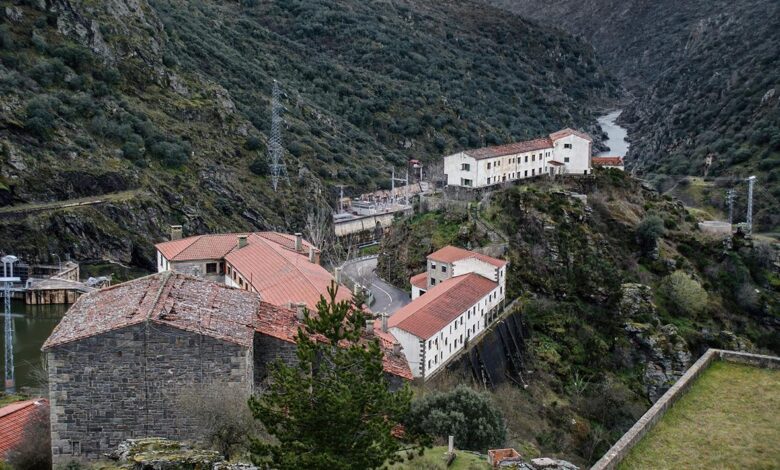
Salto de Castro—a once-bustling village built for power company workers—now looks like the set of a post-apocalyptic film. Empty houses, overgrown yards, a tilting church and an abandoned pool—all this is now in the hands of a single person, who saw in these ruins not just a past, but a future. For 310,000 euros, the American acquired not just real estate, but an entire complex with history that could become a new tourist magnet or even a hub for remote work.
New Owners
In recent years, demand for such properties in Spain has been growing. Foreigners, especially from the United States, are increasingly looking not for apartments on the coast, but for entire villages where they can realize ambitious projects. The reasons are clear: modern technology allows people to work from anywhere in the world, and remote areas of the country are becoming more accessible thanks to the internet and new transport routes. For many, this is a way to escape the bustle of big cities and create their own space for business or leisure.
Experts note that these deals are not isolated incidents. The market is seeing the emergence of companies specializing in finding and selling abandoned villages to foreigners. The buyers include entrepreneurs, startup founders, and small investment funds. They are attracted not only by the price, but also by the opportunity to acquire a unique property that can be turned into a boutique hotel, an art residency, or even a private community for like-minded people.
The economy of ruins
Restoring an abandoned village is no easy task. According to the new owner’s estimates, reconstruction will require about 7 million euros. That includes not only repairing buildings, but also creating infrastructure, attracting specialists, and coordinating with local authorities. However, the investment could pay off: interest in unusual tourist destinations is growing, and demand for secluded places to relax and work remains consistently high.
In Spain, such projects are met with mixed reactions. On one hand, they offer a chance to breathe new life into dying regions, create jobs, and attract investment. On the other, there are concerns that new owners may alter the character of the villages, turning them into elite residences for a select few. Nevertheless, most experts agree: without an influx of new ideas and funds, many villages are doomed to disappear from the map.
A global trend
The arrival of foreign investors in Spain’s rural areas is part of a broader trend. With globalization and rising housing prices in major cities, people are seeking alternatives. Spain—with its mild climate, rich history, and relatively affordable real estate—is becoming attractive to those willing to take risks and invest in long-term projects.
Platforms specializing in the sale of abandoned villages are seeing record interest from foreign buyers. Their data shows that around 70% of deals aim to create tourist or business ventures. These buyers are not just Americans, but also Europeans searching for new opportunities for investment and living.
The future of the villages
The fate of Salto de Castro and similar settlements depends on how successfully the new owners can integrate into the local community and implement their plans. Restoring infrastructure, creating jobs, and developing tourism all require time and effort. However, if the project succeeds, it could serve as an example for other regions where abandoned villages are still waiting for their chance.
Jason Lee Beckwith is an American entrepreneur who gained recognition for bold investments in unconventional real estate. After successfully selling a mini-hotel in California, he decided to try his hand in Europe by choosing an abandoned village on the Spanish border. His approach combines business acumen with a passion for new challenges. Beckwith doesn’t just buy ruins—he aims to create a modern space for life and business, all while preserving the historical character and atmosphere of the past.