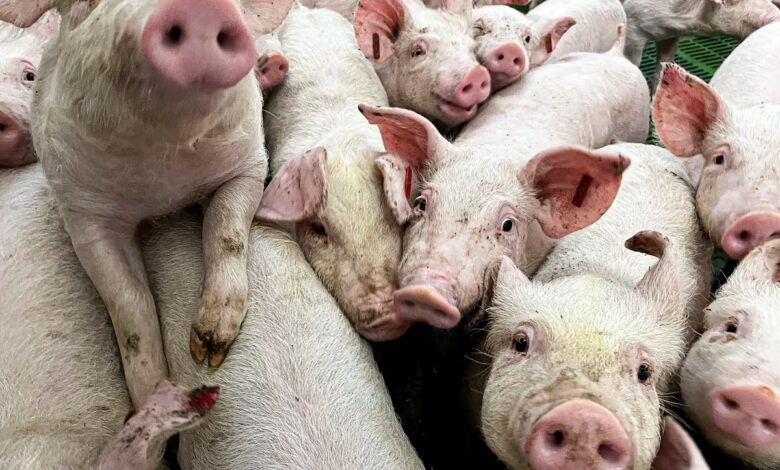
The rapid decline in pork prices continues in Catalonia. At the latest session on the Mercolleida trading platform, the price per kilogram of live pork dropped to €1.04. This marks the third consecutive decrease in a short period, with each new drop worsening the situation for local producers. Not long ago, before the first case of African swine fever among wild boars was detected, prices held steady at €1.30 per kilogram. Now, farmers are forced to sell below cost price, leading to significant financial losses.
The first warning signs appeared at the end of November, when a boar infected with the virus was detected in the region. Just a few days later, the price of pork fell to €1.20, and then to €1.10. Despite hopes for stabilization, the market kept falling. According to industry representatives, losses reach €30–35 for every animal leaving the farm. With an annual production volume of 50 million animals, weekly losses add up to tens of millions of euros.
Exports under threat
Mercolleida management notes that the situation remains extremely difficult. The main issue is the inability to supply external markets, particularly Japan and the Philippines. These countries have traditionally purchased large volumes of Spanish pork, and their refusal to import after the outbreak has dealt a serious blow to the sector. Restoring exports is seen as the key to stabilizing prices and returning the industry to normal operations.
At the same time, domestic demand is unable to offset the losses caused by the closure of external markets. Farmers and market analysts agree that unless exports resume soon, the situation will only get worse. Against this backdrop, the PronosPorc industry awards ceremony was held in Lleida, recognizing top analysts and experts in the pork sector. However, not even the festive events could distract from the serious challenges producers are facing.
Measures and Plans
The Catalan authorities continue to take action to contain the spread of the virus among wild animals. Agriculture adviser Òscar Ordeig announced that the installation of a six-kilometer protective barrier around the outbreak zone would soon be completed. After that, an active phase will begin to capture and cull wild boars in order to reduce their population by half. The current population is estimated at around 125,000 animals.
A special working group—Mesa del Jabalí—is expected to coordinate all wild boar control efforts through the end of 2026. The group’s tasks include drawing up a schedule, identifying priority areas, and overseeing the implementation of planned actions. Authorities emphasize that the situation is under constant monitoring, and any new cases will be promptly recorded.
Looking for Causes
The question of the origin of the African swine fever outbreak remains unresolved. According to Òscar Ordeig, specialists from not only Catalonia but also other regions of Spain and Europe have joined the investigation. The scientific community is trying to determine whether the virus could have entered the wild from a laboratory, or if this is a case of naturally occurring disease spread. There are no definitive conclusions yet, but the issue continues to attract heightened attention.
Meanwhile, farmers continue to work amid uncertainty. Each new day brings fresh challenges: prices aren’t rising, exports are shut down, and production costs remain unchanged. The industry hopes that the joint efforts of authorities, scientists, and producers themselves will help stabilize the situation and bring the market back to previous levels.