
All news
24534 news
Supreme Court gives parties 48 hours on grandson law
Spain's Supreme Court has given the parties until 15:00 Thursday to address the suspension of overseas voter registrations under the 'ley de nietos'. The court must decide whether the measure will affect the 29 November general election.

Borrell: Europe would face a defence crisis if arms imports stopped
Josep Borrell has warned that Europe’s military supply chains are dangerously exposed. As defence industry leaders meet in Cartagena, the call for greater autonomy grows louder.

Mercedes S 450 d 4Matic redefines diesel luxury
The Mercedes S 450 d 4Matic arrives with a diesel engine and a suite of high-end features. We examine how this unexpected combination performs in the world of luxury sedans and what it means for drivers seeking comfort and efficiency.
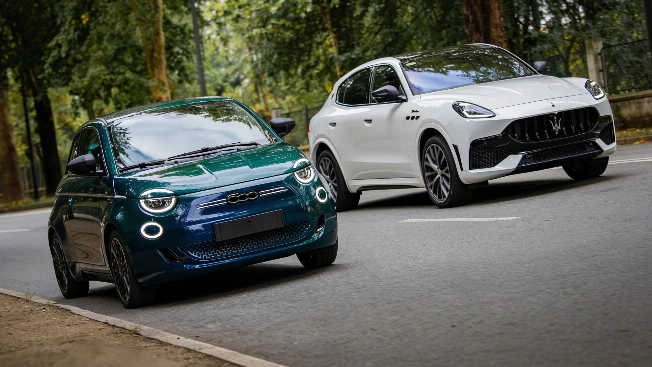
Stellantis targets 2028 for hands free driving debut
Stellantis plans to launch its Level 2++ hands free driving system in North America by 2028. Developed with Wayve AI, the tech aims for hands free driving in both city and highway traffic.

Judge demands urgent records of Vivas and Sánchez calls during Ceuta migrant surge
Spain’s National Court has ordered Ceuta’s government to urgently hand over all call records between Juan Jesús Vivas and Pedro Sánchez in the days leading up to the July migrant influx. The investigation seeks to clarify whether Madrid ignored critical warnings before the border was overwhelmed.

Madrid leaves rest of Spain behind in used car sales boom
Madrid sold more used cars in September than 30 other provinces put together. Sales jumped 34.6 percent, even as most of Spain saw numbers drop. Diesel cars still rule the market.

Shakira Asks Barcelona Court to Change Travel Terms for Her Children
Shakira has asked a Barcelona court to change the travel arrangements for Milan and Sasha. Her lawyers say the proposal would share the burden between the adults without reducing the children's time with Gerard Piqué.

Spain faces nationwide strike threat over housing crisis
Spain’s largest unions are preparing for a 24-hour general strike to protest the country’s deepening housing crisis. With support from tenant groups and smaller unions, the move signals a rare show of unity and could disrupt daily life ahead of national elections.

Sánchez revives housing package after Congress setback
Pedro Sánchez has brought a 21-measure housing package back to Spain's lawmakers after Congress rejected two decrees on 2 October 2026. The plan covers rent protections, first-home finance, supply and limits on speculative and tourist rentals, but several financial figures still need checking against the original texts.

Shakira and Piqué face Barcelona court over child travel plan
Shakira and Piqué appeared in Barcelona over travel arrangements for their children. Shakira's lawyers want Piqué to make short holiday visits in Miami instead of having Milan and Sasha fly between Spain and the United States.
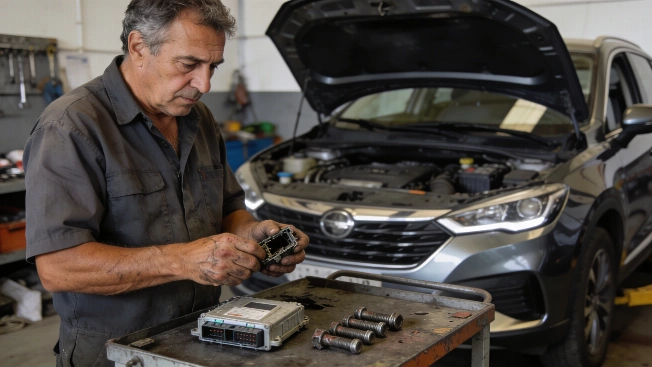
Spanish car owners face soaring repair bills as parts prices explode
The cost of keeping a car on the road in Spain is rising sharply. Mechanics and families alike are feeling the pressure as repair bills and parts prices reach new highs, threatening the future of private car ownership.

Spanish Cinema Day takes El desencanto to five continents
The sixth Día del cine español brings Jaime Chávarri's El desencanto to more than fifty cities. Rural screenings and a guionista tribute widen the celebration beyond Madrid.
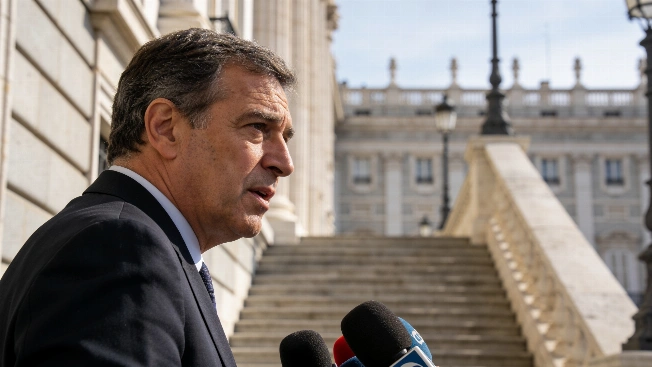
Prat backs a vote after Sánchez calls Spain's early election
Pedro Sánchez has called Spain's election for 29 November 2026. Joaquín Prat says voters need a clear choice after Congress rejected the government's housing measures.

Mónica García Seeks Congress Seat as Left Alliance Lacks Candidate
Spain's general election is set for 29 November 2026, but the Frente Amplio still has no agreed leader or formal structure. Mónica García wants the top Madrid slot, while Ada Colau's support is growing and Podemos remains central to any broad deal.
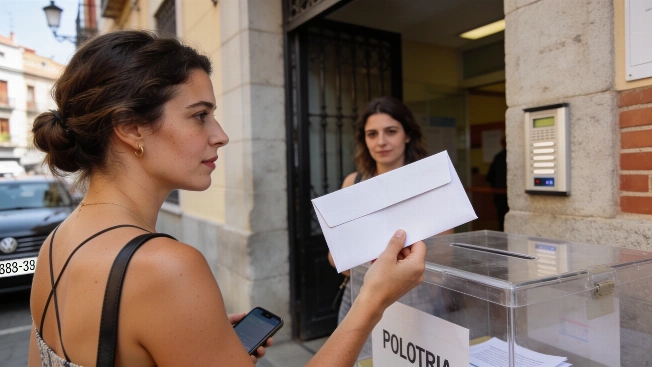
PP sends mixed signal on Spain's postal voting
The PP backs participation but questions postal voting after Isabel Díaz Ayuso's warning. Ester Muñoz urges citizens to vote by whichever method they choose.
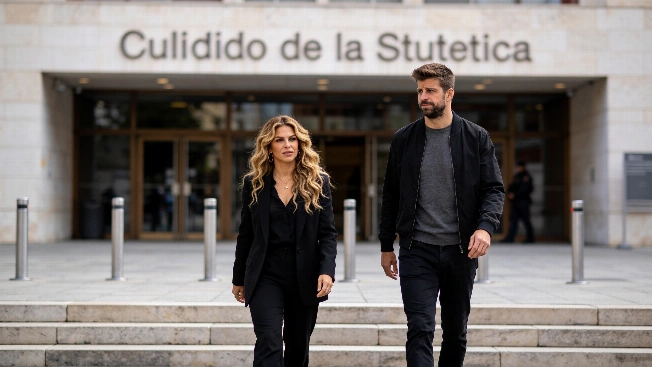
Shakira seeks Miami visits for her children in Barcelona court dispute
Shakira and Gerard Piqué faced court in Barcelona over their children’s visitation schedule. She wants shorter holidays to be handled in Miami to protect their routine.
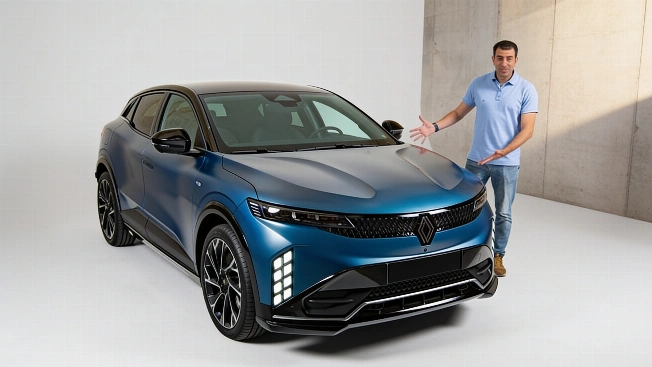
Renault Megane E-Tech 2027 shakes up Spain’s electric car market
Renault’s Megane E-Tech 2027 hits Spain with a bold redesign, a bigger battery, and a price that undercuts rivals. The compact EV now claims up to 500 km range and packs in advanced features.

RTVE triggers Spanish TV shake-up with DVB-T2 and Ultra HD rollout
RTVE will overhaul its digital terrestrial television on November 5, introducing Ultra HD for La 2 and a pioneering accessible radio service for the hearing impaired. Viewers must retune their TVs to access these enhanced channels and features.

BPCE takes a 7% stake in Banco Sabadell
BPCE has acquired about 7% of Banco Sabadell for an estimated 1.2 billion euros. The French group will explore cooperation in corporate and investment banking, lending, leasing and cross-border activities while keeping its stake below 9.9%.

Women carry a heavier lifetime burden of pain
Women report more pain across most stages of life. Researchers connect the gap to physiology, paid work and the unequal share of family care.

Madrid restaurant fire investigation targets owners and architects
A deadly fire at Burro Canaglia in Madrid left three dead and thirteen injured. Now, a judge has formally charged the restaurant’s owners and architects, citing critical safety failures and ignored fire risks that turned a pizza flambé into a fatal disaster.

Puigdemont cleared to return as Supreme Court halts arrest order
Carles Puigdemont is set to re-enter Catalonia after nine years away. The Supreme Court has suspended his arrest warrant, following the Constitutional Court’s support for amnesty over his alleged misuse of funds during the independence drive.

Belgian couple reveals the real cost of company cars
Tom and Sofie Vanpraet pay just 339 euros a month for two company SUVs in Belgium. Their story exposes the sharp contrast between corporate perks and the true price of private car ownership.

Barcelona Brings Back #EstàsON Science Workshops for Young Learners
Barcelona libraries and Barcelona Activa have reopened #EstàsON workshops for children. Registration is open for sessions built around experiments, play, science and technology.

Catalonia storm keeps emergency services on high alert
Rain is moving north across Catalonia, with storms expected to bring up to 60 mm in three hours. Crews are restoring power while firefighters search for a missing child in Granollers.

Más Madrid presses for control of Madrid list in Frente Amplio talks
Más Madrid wants its own political figures to lead the Madrid list. The proposal clashes with Podemos over how the left alliance should choose candidates before Spain's early election on 29 November.

Tana Rivera redefines autumn elegance with bold Spanish looks
Tana Rivera steps into the spotlight with two striking autumn ensembles from Bimani. Her choices blend family legacy with a fresh approach to Spanish fashion, offering new ideas for event dressing beyond the classic guest dress.

Prince Daniel of Sweden opens Prado tribute
The Museo del Prado has opened a major tribute to Queen Cristina of Sweden. Prince Daniel's visit brought the Swedish royal story into Madrid's cultural spotlight.

PP demands criminal charges against PSOE over Ferraz funding scandal
Spain’s Partido Popular has formally asked the National Court to charge the PSOE with illegal financing and other serious crimes. The move intensifies the political and legal battle just months before the country’s snap elections.
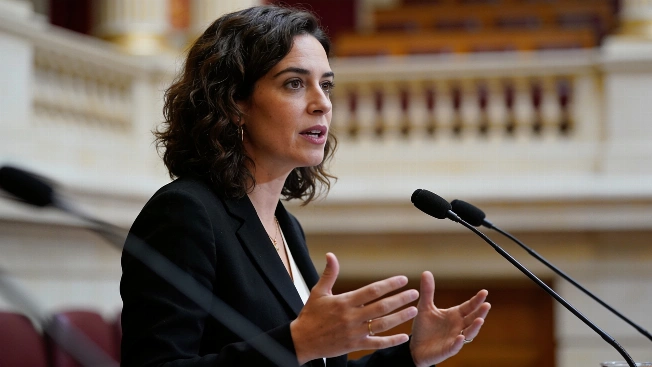
Vox acusa a Sánchez de buscar otra vía para los decretos de vivienda
Vox denuncia que el Gobierno ha vuelto a aprobar dos decretos de vivienda rechazados por el Congreso. Pepa Millán acusa a Pedro Sánchez de retorcer las reglas parlamentarias para llevar los textos a la Diputación Permanente.

Puigdemont puede regresar a España, pero faltan documentos oficiales
Carles Puigdemont podría volver a España sin una detención inmediata. El Supremo dejó sin efecto la orden nacional, según el material disponible, pero la aplicación de la amnistía y el levantamiento formal de las órdenes aún deben confirmarse con documentos oficiales.

Andalucía faces sharp drop in used car sales as rivals accelerate
Andalucía remains Spain’s top region for used car sales, but September brought a steep decline. While other regions gain ground, uneven provincial results and a surge in younger vehicles are reshaping the market.

Seaya Andromeda invests €35 million in Wiremind for global push
Wiremind, known for its tech in transport and entertainment, has taken on outside investment for the first time in twelve years. The €35 million round, led by Seaya Andromeda, will drive the company’s global reach and AI projects.

Madrid drives Spain's private healthcare expansion
Madrid remains Spain's leading region for healthcare privatisation. Asturias, Extremadura and Castilla-La Mancha are catching up fastest, while private cover and out-of-pocket costs deepen differences in access.

Wiremind lands €35 million to ramp up global AI transport expansion
Wiremind has secured €35 million to boost its international growth and AI development. The company is set to expand into South America, the Middle East, and Asia-Pacific, while strengthening R&D and adding advanced language models to its transport management software.
Page 1 by 20