In 2026, the Spanish electric vehicle market is on the verge of major changes. Authorities have announced the launch of a direct subsidy program, which promises not only to boost sales but also to transform the very structure of the automotive market. For buyers, this means real savings and the elimination of bureaucratic hurdles, while for dealers, it brings long-awaited clarity about working conditions.
The Auto+ plan emerged as a response to the prolonged crisis of confidence in government support programs. After previous schemes like Moves III ran their course and triggered a wave of dissatisfaction due to payment delays, the new initiative promises to work differently. Now, subsidies will be granted right at the time of purchase, relieving citizens from having to wait months or even years for reimbursements.
Program structure
The Auto+ plan is part of a comprehensive strategy developed in collaboration with leading automakers and industry associations. With a five-year budget allocating 1.28 billion euros annually, the state plans to invest nearly 6 billion euros in the development of electromobility by 2030. The program covers three main areas: the expansion of charging infrastructure, support for the industry, and most importantly, direct payments to buyers of new electric vehicles.
Unlike previous schemes, the allocation of funds will now be centralized. This means that all applications will be reviewed at the national level rather than through regional authorities. This approach is expected to eliminate uneven access to subsidies and speed up the process of receiving them.
Who is eligible and how much
The maximum amount of support for individuals will be €4,500 per electric vehicle. This sum will be deducted from the cost of the car directly at the dealership, making the purchase more accessible and transparent. Importantly, the program is primarily aimed at vehicles of European production, in line with the European Commission’s policy to support the internal market.
Nevertheless, vehicles manufactured in China are not completely excluded from the program, although the subsidy amount for them, according to preliminary data, will be lower. The final details on this issue have not yet been disclosed, causing some concern among dealers and buyers who focus on Asian brands.
Retroactivity and new rules
One of the main surprises was the decision to make the program retroactive. This means all electric car purchases made since January 1 of this year will be eligible for the subsidy, even if the program officially launches later. This move aims to support demand during the transition period and prevent sales from slumping while awaiting the new rules.
A key difference from Moves III is that there is no longer a need to contact regional authorities or collect additional documents. Now, all procedures will be greatly simplified and payments automated. This should reduce bureaucracy and increase trust in government support.
Market reaction
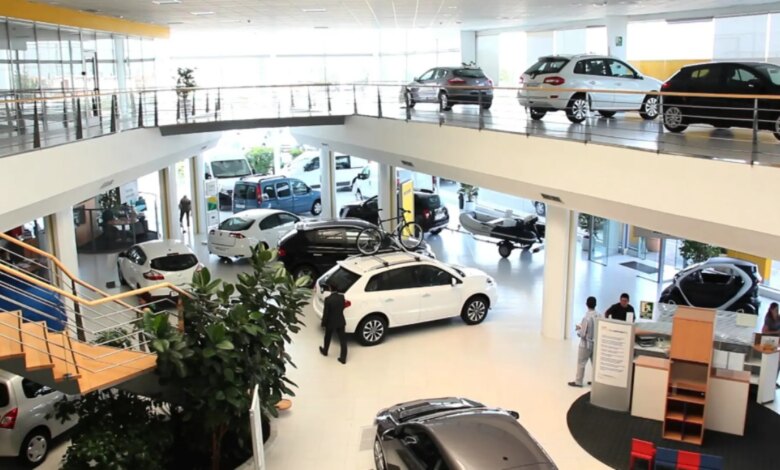
Car dealerships and manufacturers have already expressed cautious optimism about the new measures. Executives of the largest brands note that the uncertainty of recent years has negatively affected sales dynamics, and clear, transparent rules could rekindle buyers’ interest in electric cars. At the same time, industry representatives are urging the government to publish all the details of the program as soon as possible to avoid a new wave of rumors and speculation.
Buyers, weary of complicated procedures and long waits, see these changes as a much-awaited relief. The possibility of getting a discount immediately at the point of purchase makes electric vehicles more competitive compared to traditional models—especially as fuel prices rise and environmental standards tighten.
Looking ahead
The Auto+ plan could become a turning point for the entire automotive sector in Spain. If the program meets expectations, the country could not only accelerate its transition to green transport but also strengthen its manufacturers’ positions in the European market. However, much will depend on how quickly and effectively the proposed measures are implemented in practice.
The final participation terms and subsidy amounts for different vehicle categories are expected to be published in the coming weeks. Until then, the market remains in anticipation, and buyers continue searching for the best deals. One thing is clear: 2026 promises to be a year of major changes for everyone following the development of electromobility in Spain.
The Auto+ plan is a government initiative aimed at encouraging the switch to electric vehicles in Spain. The program was developed with the participation of leading car manufacturers and industry associations such as Anfac and Faconauto. Its main feature is direct subsidies provided to buyers right at the dealership, making the support process as simple and transparent as possible. These measures are expected to help Spain significantly increase the share of electric vehicles on the road and strengthen its position in the European automotive industry.