The introduction of a new hybrid engine developed in Spain could transform approaches to fuel efficiency and emissions across the European automotive sector. Thanks to innovations in the combustion system and the use of renewable gasoline, this engine can travel 114 kilometers on a single liter—far surpassing the performance of most current vehicles. For car owners, this means not only reduced fuel costs but also a tangible contribution to lowering CO₂ emissions, which is becoming increasingly important amid tightening environmental regulations.
The project has been implemented by Horse Powertrain, a collaboration between Renault Group and Geely, with support from Repsol. Production and testing are underway in Valladolid and Madrid, where Spanish engineers are pioneering advanced hybrid powertrain solutions. According to Autobild, a major achievement is a maximum thermal efficiency of 44.2% and reduced fuel consumption to 3.3 liters per 100 kilometers under the European WLTP standard. This allows an average car equipped with the new engine to emit 1.77 tons less CO₂ per year compared to traditional models.
Technology and details
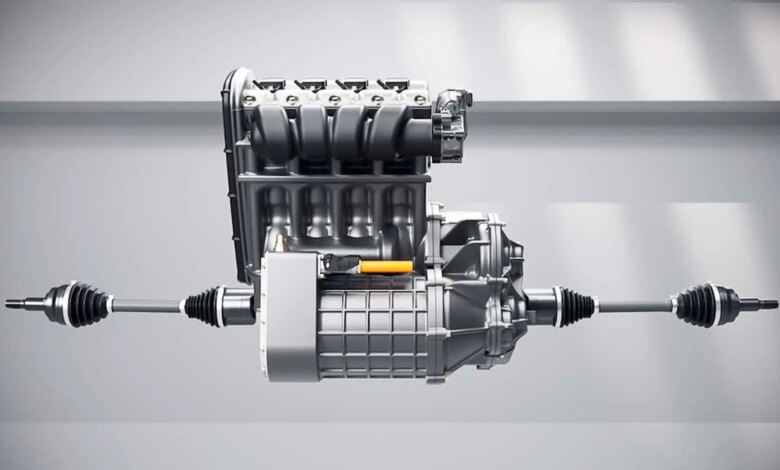
The Horse H12 Concept engine is based on a modernized version of the HR12 motor, featuring an innovative combustion chamber and a compression ratio of 17:1. A next-generation exhaust gas recirculation system, optimized turbocharger, and high-energy ignition ensure stable operation and minimal losses. The hybrid transmission, with improved energy management and new Repsol lubricants, further reduces internal friction, positively impacting durability and efficiency.
The use of 100% renewable fuel, promoted by Repsol, not only reduces emissions but also makes vehicle operation more accessible to a wider audience. This approach sets the project apart from fully electric solutions, as charging infrastructure for electric vehicles in Spain and other European countries is still developing unevenly. As a result, hybrids with efficient engines and eco-friendly fuel become a real alternative for those not yet ready to give up familiar technologies completely.
Market Impact
The emergence of such developments could accelerate the shift to cleaner transport without the need to wait for the mass adoption of electric vehicles. According to russpain, interest in hybrid and electric models is growing in Spain, and local factories are already producing affordable SUVs with hybrid and electric powertrains, changing the balance of forces in the market. At the same time, 97% of cars in Europe still use internal combustion engines, and it is exactly these kinds of innovations that can quickly impact the vehicle fleet structure.
The bet on technological neutrality, supported by developers, allows for the combination of different engine types and fuels without being limited to a single strategy. This paves the way for further experimentation and the introduction of new solutions that can be adapted to various operating conditions and market demands. The first demonstration vehicles with the new engine are expected to appear in the coming years, followed by the start of industrial production.
The Spanish footprint
Teams from Valladolid and Madrid played a key role in the project, not only developing prototypes but also successfully testing them. This approach highlights the high level of engineering in Spain and the ability of local specialists to compete with leading global manufacturers. At a time when European carmakers face challenges from Asian brands, such initiatives become especially important for strengthening positions in both domestic and international markets.
Horse Powertrain is a joint venture established to develop and implement advanced hybrid technologies in the automotive industry. The company brings together the expertise of Renault Group and Geely, while also drawing on the scientific resources of Repsol. The main research and production centers are based in Valladolid and Madrid, where top engineers and technologists work. Thanks to this collaboration, the Horse H12 Concept project has become one of the most prominent examples of successful innovation and tradition integration in the European automotive sector.