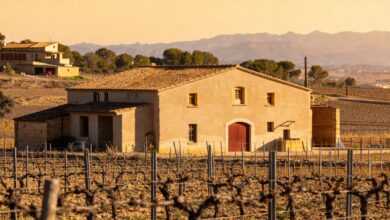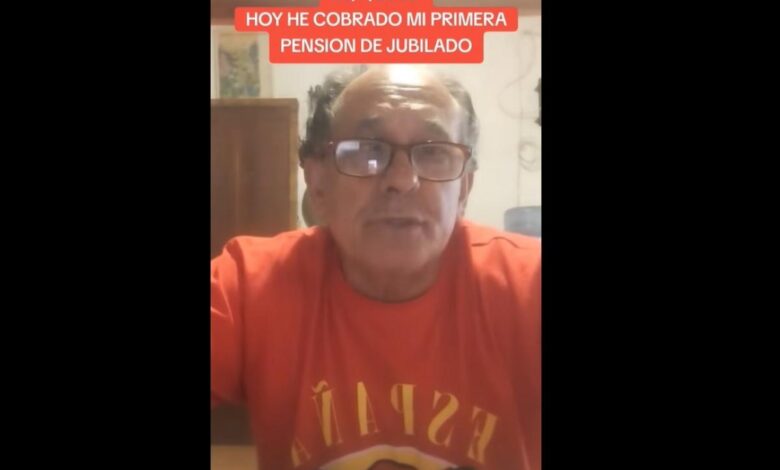
Life in rural Spain is rarely easy, especially if you’ve spent all your youth and adulthood in the fields. For Justo, reaching retirement age at 62 was less a long-awaited rest and more a time for reflection. He wasn’t planning to give up the work he loved and dreamed of carrying on, even if on a smaller scale. But his first pension payment quickly put everything into perspective. A viral video where Justo shares his honest thoughts spread rapidly across social media, sparking discussions among farmers and far beyond.
Justo speaks plainly: any plans to expand his farm had to be put on hold. He had hoped to rent a bit more land—not for profit, but to keep his usual pace of life and try to boost his income. Yet after seeing his pension amount, he realized the risks weren’t worth it. More land means not just more work, but higher costs, greater responsibility, and more dangers. And if you slip up, you could lose what little you already have.
The price of a decision
Commenters on the video often point out: farmers don’t retire because they’re tired, but because they have no choice. The system nudges them out, and their health can’t always keep up. For Justo, retirement didn’t mark the end. Instead, he saw it as a new chapter. But regulations and numbers leave little room to maneuver. Any attempt to till more fields brings new expenses—seeds, fuel, equipment, and of course time. And when your pension barely covers the basics, even the smallest mistake can be a costly one.
Justo’s story is more the rule than the exception in rural Spain. Many farmers enter old age without substantial savings, having spent decades enduring unstable incomes and constant belt-tightening. Their pension becomes their sole safety net. That’s why even seemingly minor decisions, like taking on a couple more hectares, turn into a matter of survival.
Village realities
Stories like these are increasingly common in Spanish villages. People who have devoted their lives to the land are forced to scale back their farms, sell off plots, or abandon new projects altogether. The reason is simple: their pension doesn’t allow them to take risks. Many online commenters share similar experiences — relatives or friends who also had to give up the work they loved just to keep their guaranteed income.
The issue is especially acute for those who want to stay active after retirement. The law leaves little room to maneuver: if a retiree continues to work the land, they can lose their benefits. A single complaint is enough to trigger an investigation that could end in losing the pension. This prospect is daunting for many, since most farmers rely solely on their pension for steady income.
A choice without a choice
All this leads to a paradox: people who have worked their whole lives are forced to deny themselves even the things they truly enjoy. Justo admits he would like to keep working, but can’t afford to take the risk. His story highlights a systemic issue facing thousands of Spanish farmers.
Instead of well-earned peace and the chance to do what they love, retirees are forced to choose between risk and stability. Most choose the latter, even if it means giving up on their dreams. Rural Spain is changing—and not always for the better. But as long as stories like Justo’s resonate, there is hope the problem won’t be forgotten.