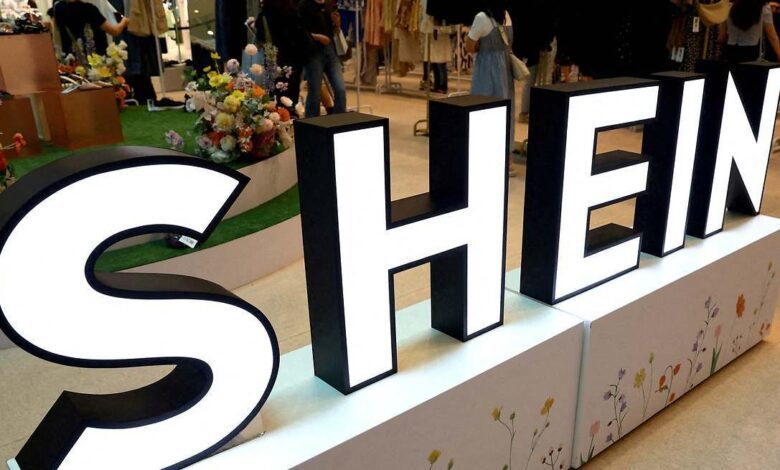
In the next two years, the familiar process of online shopping will change radically for European Union residents. Starting July 1, 2026, a new regulation comes into effect that abolishes previous customs exemptions for small parcels worth up to 150 euros. From now on, a fixed fee of 3 euros will be charged for each category of goods in such shipments. This decision has already sparked heated discussions among buyers and sellers, as it concerns millions of parcels each year.
Until now, orders from abroad that did not exceed 150 euros crossed the border without additional duties. However, the rapid growth in the volume of small shipments, especially from Asian countries, has forced European authorities to revise the rules. According to estimates, more than 4.6 billion such parcels arrived in the EU in 2024 alone, and this number continues to rise. The new measure aims not only to boost budget revenue but also to simplify the monitoring of imported goods.
How costs will change
The main change is that the fee will be charged not on the entire parcel, but for each individual category of goods inside it. For example, if a parcel contains a T-shirt and a pair of socks, you will need to pay 6 euros — 3 euros for each category. If the parcel contains only three identical T-shirts, the fee is 3 euros. Officials believe this approach will make the system more transparent and fair.
For now, this is a temporary measure: the fixed fee will apply until July 1, 2028, after which it may be extended or replaced with regular customs tariffs. The introduction of this fee is tied to the preparation for the launch of the new EU Customs Data Center, which is set to centralize the processing of information on all imported goods. Once the center is operational, control is expected to become even stricter and the system more efficient.
Who will be most affected
Particular attention is being paid to parcels from China, which account for the overwhelming majority of small shipments—about 91%. For European consumers who are used to ordering inexpensive goods from popular Asian platforms, the new measure could come as an unpleasant surprise. Now even the cheapest purchases will be subject to an additional fee, which will inevitably affect the final price.
At the same time, European online stores may gain a certain advantage: their goods will not be subject to this fee, which could potentially shift the balance of power in the market. However, experts warn that for many buyers, ordering from abroad has already become a part of everyday life, and they are unlikely to give it up entirely.
Customs reform: what’s next
The introduction of a fixed fee is only one part of a major customs system reform in the EU. Authorities aim to create a unified digital platform to track all goods flows and combat fraud. Currently, customs services in different countries operate differently, creating loopholes for unscrupulous sellers and complicating oversight.
The launch of the EU Customs Data Hub is expected to not only increase transparency, but also speed up parcel processing. However, the full implementation of the reform is still some way off: negotiations between member states and the European Parliament continue, and details may yet change. Nonetheless, it is already clear that the era of carefree online shopping from abroad is coming to an end.
Impact on the market and consumers
For many residents of Spain and other EU countries, this decision will prompt a reconsideration of their shopping habits. Some consumers are expected to look for alternatives within the European Union, while sellers will adjust their offerings to meet the new conditions. At the same time, major international platforms will likely seek to minimize the impact of the new charges on their customers, possibly by optimizing logistics or changing their product range.
The question of whether the new measure will lead to higher prices for goods from abroad remains open. Some experts believe that the additional fee will not be critical for most buyers, especially when it comes to expensive products. However, for those used to ordering small and inexpensive items, the changes may prove to be quite significant.
The Council of the European Union is the key body that sets strategy and makes crucial decisions for all member countries. It is here that initiatives are shaped, which then impact the daily lives of millions of Europeans. In recent years, the Council has been actively working on reforming the customs system, aiming to make it more modern and efficient. The introduction of a fixed fee on small parcels has become one of the most debated steps, reflecting new economic and geopolitical realities. Decisions made at this level often become turning points for the entire European market and set the direction for future trade and consumption.