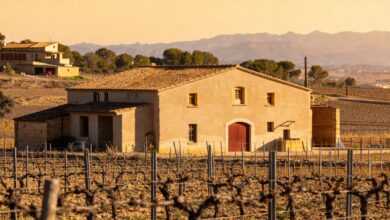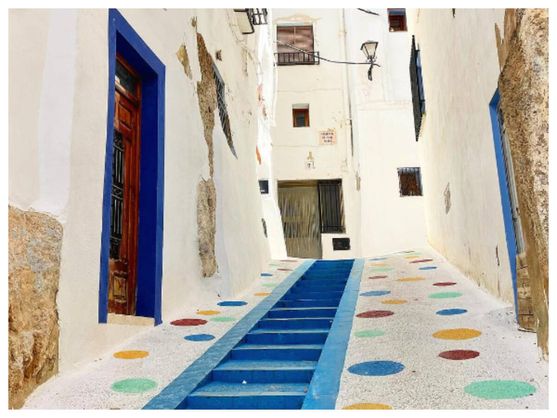
In the heart of the province of Valencia lies Chelva, a small town that captivates with its unique appearance and atmosphere. Narrow, whitewashed streets, blue doors, and an unusual layout evoke memories of Moroccan Chefchaouen. This place has preserved features from its Moorish past and has become a popular destination for those seeking authenticity and tranquility away from major tourist centers.
Chelva is known for its rich cultural diversity. For centuries, people of different religions and backgrounds—Muslims, Jews, and Christians—lived here. Their presence is reflected in the town’s architecture and the layout of its neighborhoods. The Benacacira district stands out with its white facades and blue accents, while the Azoque quarter (El Azoque) is a tangled maze of narrow alleyways. Ollerías is linked to the craftsmen of the past, and the Arrabal district (Arrabal), which emerged in the 14th century, completes the city’s historical mosaic. A walk through these areas feels like visiting an open-air museum.
Among Chelva’s architectural highlights are the Arciprestal Church of Nuestra Señora de los Ángeles (Iglesia Arciprestal de Nuestra Señora de los Ángeles), built in Baroque style in the 18th century, and the former viscount’s palace, which now serves administrative functions. The Ermita de la Santa Cruz, once a mosque, is a reminder of the town’s Moorish roots. In the historic center, sections of medieval walls and gates remain, still marking the boundaries of the old town.
The blue color on the facades appeared for a reason. Locals traditionally painted their houses in this shade to protect against the heat and repel insects. Over time, this feature became a calling card of Chelva, and the town received the unofficial name “the blue city of Valencia.” The vibrant streets and stone courtyards consistently attract photographers and travelers, evoking comparisons to the cities of the Maghreb.
The natural surroundings of Chelva are no less impressive. Nearby stands the ancient Roman aqueduct Peña Cortada (Acueducto de Peña Cortada), which passes through cliffs and tunnels, forming one of the region’s most scenic hiking trails. The Water Route (Ruta del Agua) is also popular, leading to river beaches and small waterfalls, where visitors can cool off on hot days.
In 2020, the Alto Turia area (Alto Turia), which includes Chelva, was designated a UNESCO biosphere reserve. This recognition highlights the unique blend of cultural and natural wealth in the city and its surroundings, making Chelva an attractive destination for history and nature enthusiasts.