The annual television contest, which determines the most picturesque village in the Castilla-La Mancha region, has once again turned the public’s attention to the Albacete province. In 2025, three local municipalities are competing for the prestigious title and, more importantly, for viewers’ votes—each ready to prove it’s deserving of being called the best. These towns might not be as famous as their larger neighbors, but each possesses its own unique charm, distinctive natural surroundings, and a rich cultural heritage. The show offers a fresh look at these hidden corners of Spain as they vie to be recognized as true tourist gems.
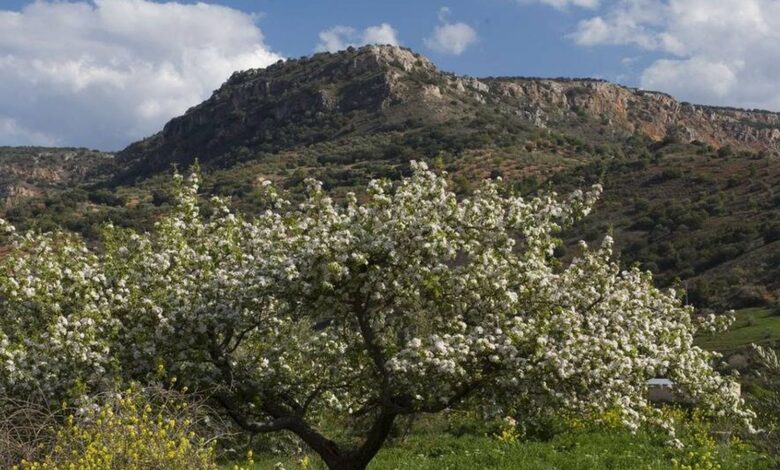
First on the list of contenders is Salobre, a true mountain enclave traversed by the river of the same name, whose waters are rumored to have healing properties. Its steep, winding streets climbing uphill, stunning mountain landscapes, and the historic Reolid spa combine to create a unique atmosphere of tranquility and harmony with nature. This place has long been a magnet for those seeking peace and quiet far from the bustle of the city. Particularly popular among tourists and outdoor enthusiasts is the Estrecho del Hocino gorge, where over centuries the river has carved its way through massive rocks, creating dramatic, breathtaking views that leave no one indifferent.
The next stop is La Requena, a small yet remarkably picturesque village nestled in the very heart of the Júcar River valley. The area is surrounded by natural viewpoints that offer panoramic vistas, drawing both avid hikers and professional photographers in search of the perfect shot. Locals take great pride in preserving their unique customs, most notably the ancient tradition known as “Los Achos.” During this almost mystical ritual, large, tightly bound esparto grass bundles are burned, illuminating the night with a living, flickering flame. Here, the river is much more than part of the scenery; it shapes the village’s very identity, providing idyllic spots for leisurely fishing and peaceful relaxation by the water.
Completing the list of finalists is Casas de Ves, a municipality with a rich history, strategically located between two major rivers—the Júcar and the Cabriel. This land was once part of the ancient Señorío de Ves and only gained full independence in 1810, a milestone that has shaped the character of its residents. The historical legacy here is palpable at every turn, with its most prominent architectural symbol being the majestic Church of Santa Quiteria. Founded back in the 16th century and built in grand Baroque style, this church impresses with its intricate design: a Latin cross layout, a massive octagonal dome, and richly decorated interior chapels that captivate lovers of antiquity. Adding to the area’s charm are the small hamlets known as pedanías, such as Perichán and Tranco del Lobo, which broaden the cultural and scenic appeal for curious travelers.