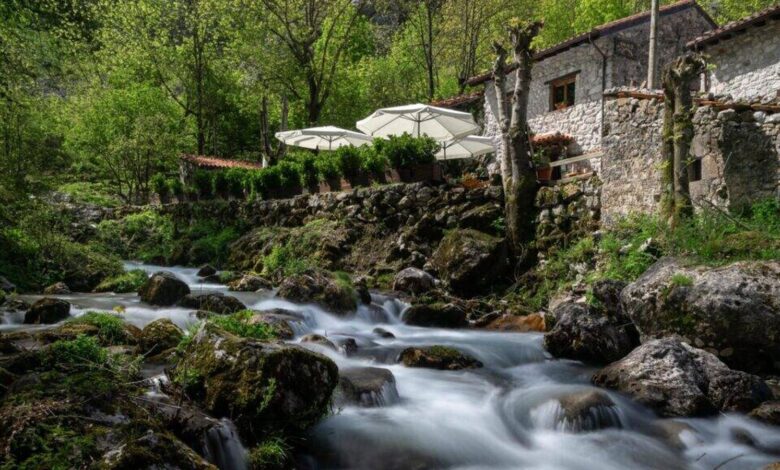
Spain is renowned not only for its beaches and major cities, but also for its incredible geographic diversity. Across the country, there are hidden places seemingly made for escaping the rush and endless routine. Some offer such a deep sense of detachment from the world that it feels like traveling back in time. One striking example is Bulnes, a mountain village in Asturias lost among the peaks.
This tiny administrative unit, part of the municipality of Cabrales, looks as if time stopped here several centuries ago. The old stone houses, typical of mountain settlements in northern Spain, create a unique atmosphere. Visiting this place is a guarantee of complete immersion in silence and isolation from the outside world, as Bulnes can only be reached in two ways: on foot via a mountain trail or by a funicular that cuts through the rock.
A Lost World
The absence of a road makes this village—home to no more than 50 permanent residents—truly unique in the region. The sense of being cut off from civilization intensifies when you realize mobile signal is almost nonexistent. Your smartphone will become a useless piece of plastic, letting you finally look up from your screen and fully enjoy the breathtaking scenery that surrounds you.
Bulnes is divided into two parts: Bulnes de Abajo (Lower Bulnes), also known as La Villa, and Bulnes de Arriba (Upper Bulnes), or El Castillo. The lower part is the heart of the village, ideal for a leisurely stroll through its narrow streets. In the upper part, just a bit higher up, there is a viewpoint offering breathtaking views of the surrounding mountains.
How to get to Bulnes
Until 2001, the only way to reach the village was via a challenging mountain path along the Cares Gorge, with locals delivering supplies by mule. The construction of a funicular, which travels through a two-kilometer tunnel under Peña Maín in just seven minutes, dramatically changed life in Bulnes. This made it possible to attract tourists and saved the village from total extinction, preserving it for future generations.
Now travelers have a choice: test themselves on the scenic yet demanding hiking trail from Poncebos, or enjoy a comfortable ride on the underground train. Both options are unique and offer unforgettable experiences.
What to do
Outdoor enthusiasts will find Bulnes and its surroundings a true paradise. The village is the starting point for numerous mountain routes that wind through Picos de Europa National Park. Some lead to iconic peaks such as Pico Urriellu, better known as Naranjo de Bulnes—a mecca for climbers from across Europe.
In addition to hiking, you shouldn’t miss the chance to explore the local cuisine. When you’re in the heart of the Cabrales region, it would be a crime not to try the famous local blue cheese. Handmade in nearby caves, this cheese boasts a strong, sharp flavor and is a true point of pride for Asturias.
By the way, Asturias, officially known as the Principality of Asturias, is an autonomous community in northern Spain. This region is part of what’s called “Green Spain,” thanks to its lush forests, meadows, and humid oceanic climate. Asturias is renowned for its rugged coastline, the Picos de Europa mountains, unique pre-Romanesque architecture, and its cider—served in a traditional style by pouring from a height to aerate the drink.