In the coming decades, the human body may undergo significant changes influenced by modern habits, technology, and the environment. Research in epigenetics shows that not only genes, but also lifestyle, diet, stress levels, and physical activity can affect how our bodies function. These factors can trigger chemical processes that impact the functioning of DNA and proteins, and in some cases, are even passed on to future generations. Scientists are already observing the first signs of transformations that could become the norm for our descendants.
Sedentary lifestyles, constant gadget use, changes in diet, and chronic stress are all shaping the new face of the 21st-century human. What changes await us and our children, and which of them could be irreversible?
Skeleton and Feet: New Shapes and Hidden Threats
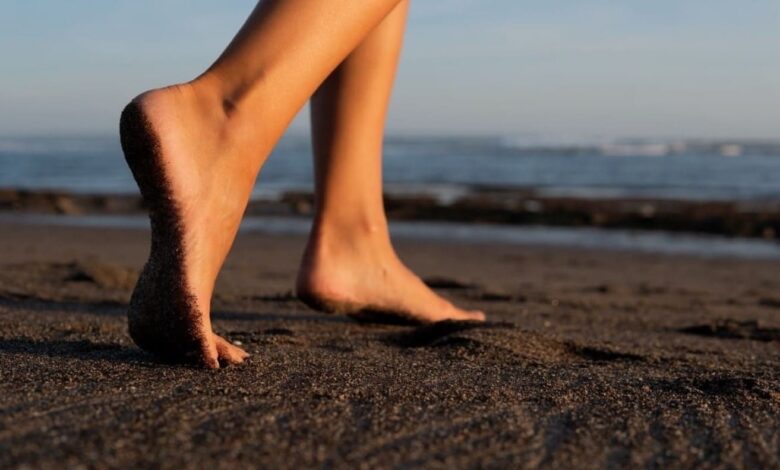
The modern lifestyle, marked by prolonged sitting and minimal physical activity, is already affecting skeletal structure. Over the last fifty years, the average foot size has increased: for women, from 36 to 38, and for men, from 41 to 43. This is due not only to an increase in average height, but also to the weakening of muscles and ligaments caused by constant shoe-wearing and a lack of walking barefoot. As a result, the foot is becoming wider and less stable, while toes are gradually shortening due to reduced load.
If this trend continues, we can expect even greater expansion of the forefoot and further weakening of its muscles in the future. In addition, the habit of wearing narrow shoes promotes deformities that can become fixed at the population level. At the same time, flattening of the lumbar curve and the development of persistent slouching is observed—this is a result of weakened back muscles and constantly sitting in chairs. Narrowing of the pelvis, seen in modern people, may lead to complications during childbirth and increase health risks.
Gadgets and Hands: Myths and Realities of the ‘Smartphone Pinky’
The common belief that constant smartphone use leads to irreversible changes in hand structure is not entirely accurate. Prolonged holding of gadgets does cause a redistribution of stress on the tendons and muscles, which can result in temporary changes in finger shape, especially the pinky. However, the bone structure remains unaffected, and any functional impairments are reversible if habits change and special exercises are performed.
Interestingly, the younger generation—the so-called Zoomers and Alpha—hold smartphones differently than their parents. They use both hands and several fingers, reducing the strain on the pinky and preventing the typical deformation. Thus, widespread changes in hand shape are not expected in the future.
Microflora and the Mind: Civilization’s Hidden Consequences
A diet rich in processed foods and widespread use of antibiotics lead to a decrease in gut microbiota diversity. This can result in a deficiency of essential substances needed for the normal functioning of the gastrointestinal tract and nervous system. At the same time, the body can compensate for the loss of some bacteria by supporting the growth of others, allowing vital processes to continue even as the microbial composition changes.
Chronic stress and ongoing emotional strain can affect the genes responsible for producing serotonin and cortisol. Studies show that such changes can be inherited, making descendants more prone to anxiety and depression. Currently, more than a billion people worldwide are facing mental health disorders, and this trend is steadily increasing.
Vestigial organs: what will disappear and what will remain
Despite common myths, some organs and structures of the human body will not disappear in the foreseeable future. The appendix, once considered useless, actually plays an important role — serving as a reservoir for beneficial bacteria and helping restore gut flora after infections. Therefore, its disappearance is unlikely.
However, the muscles responsible for moving the ears may indeed disappear in a few thousand years. Humans no longer need them for spatial orientation, so if a mutation arises that disables their development, it could become fixed in the population. As for body hair, despite its reduced importance, it will likely remain due to its role in skin regeneration and wound healing.
By the way: Sergey Solodnikov and his contribution to science
Sergey Solodnikov holds a PhD in Medical Sciences and is an Associate Professor at the Department of Chemistry and Biotechnology at Perm National Research Polytechnic University (PNRPU). He is actively engaged in scientific research in pharmacology and epigenetics, and also consults for the National Research Center ‘KhimBI.’ Solodnikov is known for his publications on the impact of the environment and lifestyle on human health. His works are frequently cited in scientific and educational publications, and his lectures are popular among students and professionals. The expert pays particular attention to disease prevention related to lifestyle choices and is actively involved in educational outreach projects. Thanks to his research, many aspects of how modern technologies and habits affect the human body have become the subject of wide public discussion.