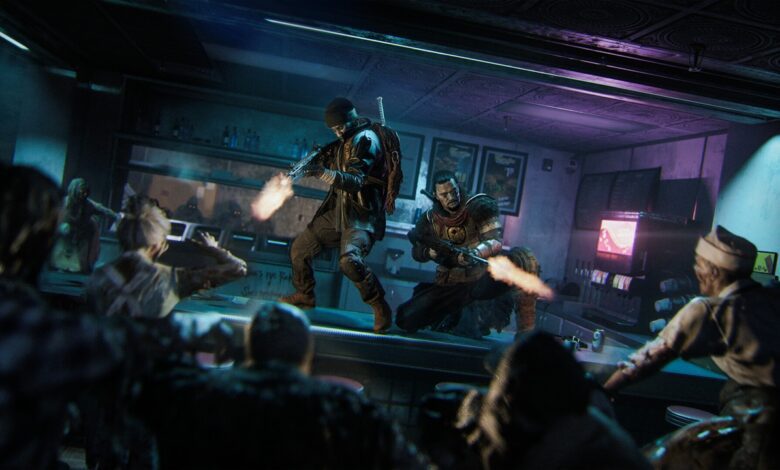
The fall of 2025 brought a surprising twist to the gaming industry: the long-awaited release of Call of Duty Black Ops 7 failed to match the success of its rival, Battlefield 6. Despite an extensive marketing campaign and strong brand recognition, the latest installment of the popular Activision Blizzard franchise delivered results that caught even skeptics off guard.
Weak Launch: Figures and Market Reaction
In its first week, Call of Duty Black Ops 7 sold 63% fewer copies in Europe than Battlefield 6. Moreover, its sales were 50% lower than the previous installment of the franchise. This slump sparked heated discussion among gamers and analysts, as the Call of Duty series has traditionally been the benchmark for first-person shooters.
On Steam, users greeted the new title with mostly negative reviews. The main complaints focused on technical aspects: the developers again relied on an outdated engine, and support for older consoles like the Xbox One and PS4, many believe, hurt the game’s graphics and gameplay quality. This move was intended to boost sales by targeting a wider audience, but the result was the opposite.
What Keeps It Relevant: The Pros and Cons of the New Installment
Despite the criticism, Call of Duty Black Ops 7 still has its strengths. The multiplayer mode and the classic zombies mode continue to draw fans’ attention. These features are keeping the game from total failure, securing it a place among the top sales and revenue charts in Europe during its first week after release.
Nevertheless, experts note that the new release fails to offer anything fundamentally new. The gameplay mechanics and structure remain almost unchanged compared to previous installments. As a result, even the series’ most loyal fans have begun to consider switching priorities in favor of competitors.
Battlefield 6: solid success and lasting appeal
Interestingly, Battlefield 6, released over a month ago, continues to hold strong positions in both sales and revenue rankings. In the European top charts for the week of November 10–16, the game took fourth place, behind only the latest releases. This shows that the Electronic Arts project managed not only to attract attention at launch, but also to maintain it thanks to its high-quality technical performance and a packed multiplayer experience featuring destructible environments and vehicles.
Unlike its main rival, Battlefield 6 focuses on spectacle and large-scale combat. While neither game boasts an outstanding single-player campaign, it’s Battlefield 6’s technical innovations and dynamic battles that have swayed many gamers’ choices.
Sales and revenue charts: who is leading the market
Despite declining interest, Call of Duty Black Ops 7 still topped the European charts in its first week. The top ten best-selling games also included Anno 117: Pax Romana, EA Sports FC 26, Pokemon Legends Z-A, Grand Theft Auto V, and other hits. The revenue rankings tell a similar story: Black Ops 7 holds the number one spot, followed by Anno 117 and EA Sports FC 26.
However, experts emphasize that leading in the first week does not guarantee long-term success. The example of Battlefield 6 shows that sustained audience interest is more important than a short-term sales spike. If this trend continues, Call of Duty risks losing its market position even to lesser-known titles.
Player Opinions: Choosing Between Two Franchises
Many gamers who have tried both new releases point out that Battlefield 6 feels more modern and technologically advanced. The multiplayer mode—with destructible environments and the ability to operate vehicles—is seen as a more thrilling experience. Meanwhile, Call of Duty Black Ops 7 is criticized for lacking fresh ideas and for poor technical execution.
As a result, some of the audience that was previously loyal to Call of Duty has started to switch to the competitor. This could be a worrying sign for Activision Blizzard if the company doesn’t rethink its approach to developing future installments.
In Case You Didn’t Know: What Stands Behind the Activision Blizzard Brand
Activision Blizzard is one of the world’s largest video game publishers, founded in 2008 after the merger of Activision and Vivendi Games. The company is famous for franchises such as Call of Duty, World of Warcraft, Diablo, and Overwatch. Over the years, the brand has often been at the center of discussions due to controversial decisions regarding monetization, support for legacy platforms, and its approach to developing new projects.
Call of Duty is a flagship series for the company, generating billions of dollars annually. However, in recent years the franchise has faced criticism for its conservative approach and lack of innovation. Despite this, each new installment consistently tops sales charts, and the multiplayer modes attract millions of players around the world.
In 2023, Activision Blizzard became part of Microsoft, opening up new opportunities for growth and integration with other services. Nevertheless, challenges related to product quality and audience expectations remain relevant. The future of the Call of Duty series largely depends on how willing the company is to adapt and listen to its fans.