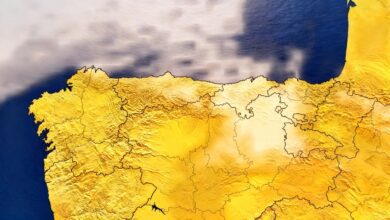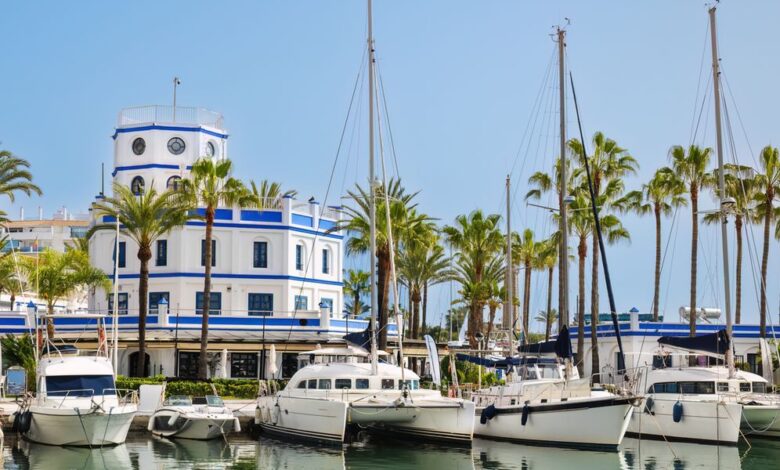
In recent years, Spain’s tourist map has seen a notable shift: the destinations traditionally popular among Britons are giving way to new favorites. Estepona, once a modest fishing village on the western Costa del Sol, is unexpectedly rising to the top among places sought after by UK residents. The reason is simple — Estepona has managed to preserve the authentic atmosphere of the Andalusian coast while maintaining modern comforts.
The tourist flow from the UK has always been crucial for Spain, but guest preferences are now changing. Whereas most visitors used to choose bustling and crowded resorts, more and more people are now seeking seclusion, authenticity, and a chance to feel part of local life. Estepona fits this demand perfectly: the city has retained its unique character despite infrastructure growth and increasing popularity.
Atmosphere and pace
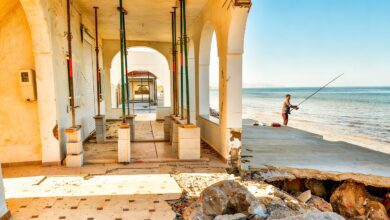
Unlike its neighboring metropolises, Estepona doesn’t feel like a tourist conveyor belt. Here, you can still meet fishermen heading out to sea in the mornings and discussing their catch in old bars come evening. Narrow streets adorned with hundreds of flower pots create a sense of coziness and safety. Locals are never in a rush, and visitors quickly settle into this rhythm, leaving behind the bustle of big cities.
The city administration has put considerable effort into revitalizing the historic center. Dozens of streets have become pedestrian zones, building facades have been given a fresh new look, and small shops and cozy cafés can be found around every corner. Walking through these quarters feels like a real journey through a postcard, where every nook seems made for photographs.
Beaches and Nature
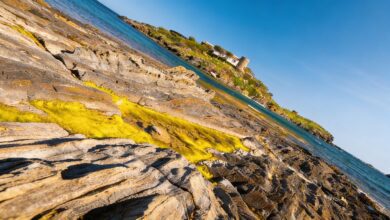
Estepona’s greatest treasure is its coastline. More than twenty kilometers of beaches offer something for everyone—from spacious urban areas with developed infrastructure to secluded coves where crowds are rare. Many beaches are awarded the Blue Flag, ensuring clean water and high service standards.
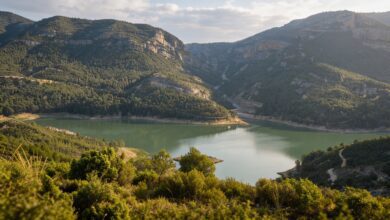
Nature lovers appreciate the proximity to Sierra Bermeja—a mountain range that begins just minutes from the city center. Here, scenic hiking trails abound, and viewing platforms offer breathtaking vistas of the coastline and even the African shore. Such a mix of sea and mountains in one place is rare, and it is exactly what makes Estepona unique.
Climate and Seasonality
One of the main factors attracting the British is the mild climate. Even in winter, temperatures rarely drop below ten degrees, and sunny days dominate most of the year. This makes it possible to visit not just in summer, but also in the off-season when life in other resorts quiets down. Many guests, once discovering Estepona, return again and again, and some even choose to stay here for several months or permanently.
The city doesn’t experience sharp fluctuations in prices depending on the season, which sets it apart from more popular destinations. Here, you can find accommodation for every taste and budget, while local markets and restaurants offer fresh products year-round.
The city-museum
Estepona is not just about the beach. The city is actively developing its cultural scene, turning the streets into an open-air museum. More than fifty large-scale murals adorn building facades, giving each neighborhood its own unique look. Walking these art routes becomes an adventure in itself, and photos from here quickly spread across social media.
A special highlight is the Orchidarium—a botanical garden where hundreds of orchid species from all over the world bloom beneath glass domes. Inside, the atmosphere is that of a tropical oasis, and a massive waterfall adds to the sense of seclusion and tranquility. This place has become a real find for those seeking unusual experiences away from the beach crowds.
A new point of attraction
The reimagining of tourist routes in Spain is no accident, but a natural development. Estepona proves that it’s possible to grow without losing its unique character. You’ll find no giant hotels or loud all-night parties here, but instead a chance to experience authentic Spain. This is exactly what new visitors value—those who are tired of standard resort entertainment.
In recent years, the city has appeared more and more often in rankings of the best holiday destinations, while the British press calls it a ‘hidden gem’ of the coast. Each season, the flow of tourists grows, but Estepona still manages to maintain a balance between popularity and tranquility. Perhaps that’s why it is emerging as a new symbol of change on the country’s tourist map.
Estepona is not just a resort, but a city with character and history. Its development shows that even in the era of mass tourism, it’s possible to preserve the spirit of a place and offer guests more than just sun and sea. For many Britons, this city has become a genuine discovery, and for Spain, an example of how you can move forward without losing your identity.
By the way, in a recent feature, we covered another unique corner of Spain—a Catalan village where winter turns into a fairy tale. There, glacial lakes and historic houses create an atmosphere of true magic, with each season revealing new secrets. For more on how nature and history intertwine in this place, read our report A Catalan village where winter becomes a fairy tale.
Estepona is a city in southern Spain, located on the Costa del Sol in Andalusia. In recent years, it has transformed from a small fishing village into one of the region’s most attractive resorts, while preserving its authenticity and tranquil pace of life. Here, modern amenities, rich cultural heritage, and unique natural beauty blend harmoniously. Thanks to its mild climate, well-developed infrastructure, and diverse leisure opportunities, Estepona has become a popular choice not only for tourists but also for those seeking a new place to live on the Mediterranean.