Ischemic heart disease remains the leading cause of death worldwide, and Spain is no exception. This condition, in which the heart muscle suffers from insufficient blood supply, can manifest suddenly and in a variety of forms—from angina, which many mistakenly consider to be harmless, to extensive myocardial infarction or even sudden cardiac arrest. Ahead of World Heart Day, observed annually on September 29, leading Spanish experts are once again emphasizing the importance of prevention and timely diagnosis.
Understanding the root of the problem is the first step toward solving it. Ischemia, as doctors explain, is a state of oxygen deprivation in any organ—in this case, the heart. When the coronary arteries cannot deliver enough oxygen-rich blood to the heart, it begins to send distress signals. The classic symptom is a pressing chest pain that may radiate to the left arm, back, or jaw. It is often accompanied by cold sweats, shortness of breath, and arrhythmia. However, in women, the presentation can be entirely different: atypical signs such as unexplained fatigue, abdominal discomfort, or difficulty breathing often result in delayed medical attention.
In the vast majority of cases, the main cause of ischemia is atherosclerosis—a process in which plaques form on the walls of arteries, narrowing their lumen. Well-known risk factors act as catalysts for this process: smoking, high blood pressure, elevated cholesterol levels, diabetes, and physical inactivity. Women, especially after menopause, fall into a special risk group due to a decrease in protective hormone levels, making their blood vessels more vulnerable.
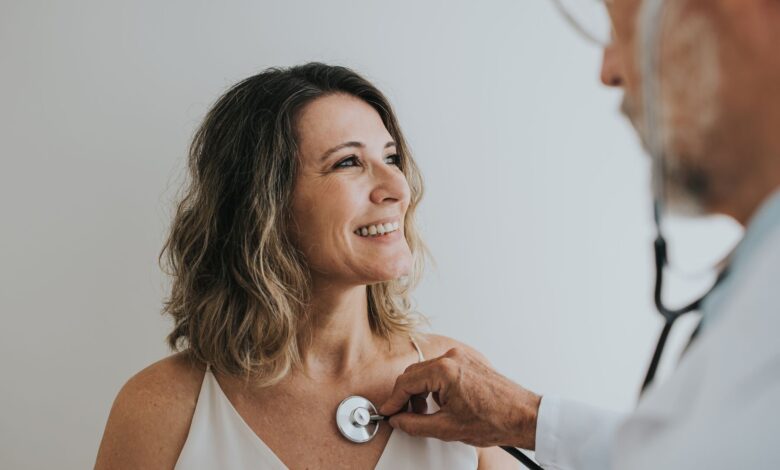
Fortunately, medical science continues to advance. Modern diagnostic methods in Spanish clinics make it possible to detect problems at the earliest stages. High-sensitivity troponin tests can identify even minor damage to the heart muscle, while coronary CT scans allow for a detailed examination of the arteries without invasive procedures. There has also been significant progress in treatment: new-generation stents and more effective medications that prevent blood clots are now being used.
However, experts emphasize that rehabilitation after a cardiac event is crucial. This is not just a course of therapeutic exercises, but a complete lifestyle overhaul that should become permanent. Regular physical activity under medical supervision not only reduces the risk of a recurrent heart attack, but also significantly improves quality of life, helping patients cope with anxiety and depression, which are common companions. Genetic predisposition certainly plays a role, but healthy habits can offset much of the inherited risk. The outlook for most patients who are willing to take care of themselves is quite favorable, and a prompt response to early symptoms along with a responsible attitude toward one’s health are the keys to a long and active life.