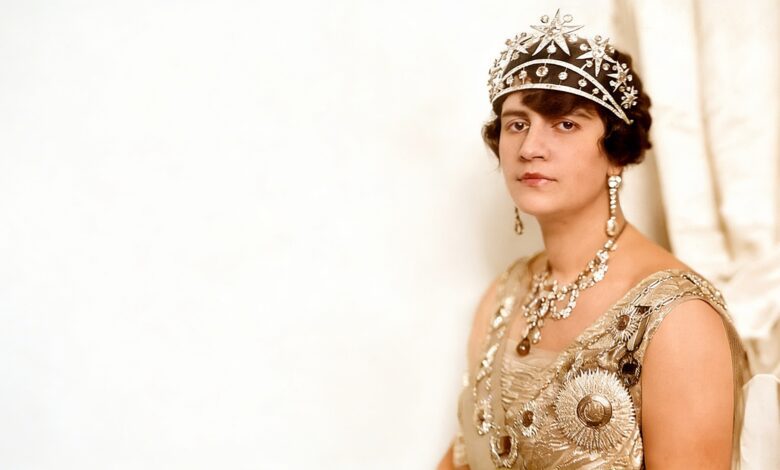
At the start of the 20th century, Afghanistan found itself at the center of sweeping changes linked to the country’s first queen. Her rise in the political arena was an unexpected challenge for the traditional society, where women’s roles were strictly limited. With the backing of her husband, the new monarch, she was able to implement a set of initiatives that transformed not just women’s education but the very structure of Afghan society. These steps sparked mixed reactions, but they laid the groundwork for future debates about women’s rights in the region.
The queen, born in Syria and educated in Damascus, was known for her independent views from an early age. Her father, a prominent progressive thinker, had a profound impact on shaping her worldview. After moving to Afghanistan and marrying the future king, she quickly became a prominent figure at court. In her early years as the monarch’s wife, she began actively promoting the ideas of equality and social justice, which was highly unusual for that era.
Reforms and innovations
One of the queen’s first actions was to open a girls’ school, sparking intense debate among conservative circles. She didn’t stop at educational projects: laws were introduced to protect women’s rights, including a ban on child marriage and granting women the right to vote. In addition, the queen took the unprecedented step of becoming the Minister of Education. Her efforts extended beyond domestic politics—she also founded a women’s organization focused on supporting victims of violence and discrimination.
A key focus of her work was women’s health. The queen opened the country’s first hospital specializing in women’s health and launched a magazine highlighting women’s achievements. These initiatives brought long-overlooked issues into the spotlight. According to RUSSPAIN.COM, such steps acted as a catalyst for new women’s movements in the region, even in the face of resistance from traditionalists.
Challenges and consequences
In 1927, the royal couple embarked on an extended journey across Europe, where they were received with great interest. The queen attracted attention not only with her appearance but also with her active stance on education and women’s rights. However, returning to Afghanistan proved difficult: the reforms sparked a wave of discontent among parts of the population, leading to mass protests and a political crisis. As a result, the king was forced to abdicate, and the family emigrated to Italy.
Despite being forced into exile, the queen’s influence on the country’s development did not disappear. Her reforms and ideas continued to be discussed within Afghan society, and many of her initiatives became an example for future generations. Even decades after her death, the queen’s name remains a symbol of the struggle for women’s rights and the modernization of traditional society.
Legacy and Remembrance
Today, the figure of Afghanistan’s first queen attracts interest not only from historians but also from those engaged in gender equality issues. Her life and work have been the subject of numerous studies and discussions. In a country where women’s rights remain a topic of debate, her example is a reminder that change is possible even under the most conservative circumstances. Many contemporary activists consider her one of the key figures in the history of the women’s movement in the region.
Soraya Tarzi is a figure who left a significant mark on Afghan history. Her reforms in education, healthcare, and women’s rights set a precedent for the entire region. Despite facing resistance and enforced emigration, she continued to stay connected with her compatriots and inspire new leaders. Her name is associated with progress, courage, and a drive for change, and her legacy lives on in the cultural and public life of the country.