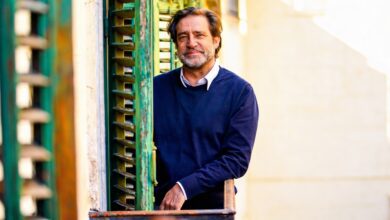
Rarely in the scientific world do you encounter individuals who combine a passion for music, a love of technology, and a deep understanding of molecular processes. Yet Harry Noller, a professor at the University of California, Santa Cruz, is one such exception. His laboratory, nestled among the majestic redwoods on the Monterey Bay coast, became a place where conventional views of biochemistry underwent a profound re-examination. In the late 1960s, Noller set out to discover exactly how the ribosome—a complex molecular machine—controls protein synthesis inside the cell.
At the time, scientific dogma held that only proteins could catalyze biochemical reactions. Most believed the ribosome was simply an assembly of proteins, while ribosomal RNA was considered little more than scaffolding supporting the structure. But a series of experiments in Noller’s lab began to challenge this established viewpoint.
An Experimental Breakthrough
In the early 1970s, Harry and his team began assembling ribosomes from individual components to determine which proteins were truly essential for the operation of this molecular “train.” Systematically removing proteins, they expected to observe disruptions in protein synthesis. Yet the ribosome continued to function even in the absence of certain protein elements. This puzzled the researchers: where were the proteins that were supposed to be the key catalysts hiding?
In 1972, student Jonathan Chaires proposed using keto-oxal, a reagent capable of selectively modifying guanine bases in RNA without affecting proteins. After treating ribosomes with this substance, protein synthesis stopped entirely. It turned out that interfering with ribosomal RNA structure would shut down the whole system—even if the proteins remained untouched. This discovery came as a real shock to the scientific community.
Rethinking Roles
The experimental results forced Noller to revise his views. While it was previously believed that proteins played the leading role, it now became clear: ribosomal RNA is far more important than previously thought. To understand exactly how RNA governs protein synthesis, it was necessary to study its structure. However, in the early 1970s, methods for analyzing large RNA molecules were extremely limited.
Inspiration struck unexpectedly. In 1975, during a creative sabbatical, Noller became acquainted with the work of Carl Woese from the University of Illinois. Woese and his colleague George Fox managed to determine the two-dimensional structure of small ribosomal RNA by comparing sequences from different organisms. Their approach relied on the idea that despite differences in nucleotide sequences, the molecule’s shape remains unchanged if its function stays the same.
Technologies and Discoveries
Pooling their efforts, Noller and Woese began sharing their results from sequencing short fragments of ribosomal RNA. They used the ribonuclease T1 enzyme, which cut the RNA into small pieces. The task was similar to reconstructing a document fed through a shredder: they had to assemble a complete sequence of over 1,500 nucleotides from a collection of short ‘words.’
Once the sequence was decoded, researchers were able to model how different segments of RNA connect to form a complex three-dimensional structure. In 1980, they published a diagram resembling an airport map, with numerous terminals and branches. A year later, they accomplished a similar feat with an even larger ribosomal RNA, nearly 3,000 nucleotides long.
Scientific isolation
Despite the significance of their discoveries, most scientists continued to hold on to traditional views. Noller and Woese found themselves in the minority, with their ideas met with skepticism. However, the lack of competition allowed them to work steadily on decoding the structure of ribosomal RNA without worrying that someone else would publish their results first.
Gradually, it became clear: it was RNA, not proteins, that performed the key functions in the ribosome. This discovery not only changed our understanding of how proteins are synthesized, but also offered a new perspective on the origins of life. The role of RNA in evolution turned out to be far more fundamental than previously thought.
Looking ahead
Today, research on ribosomal RNA continues in leading laboratories around the world, including in Spain. New sequencing and modeling techniques are allowing scientists to delve even deeper into the mysteries of the molecular machines that drive life. The discoveries made by Noller and his colleagues became the starting point for an entire field in molecular biology, which continues to evolve today.
In case you didn’t know, Harry Noller is one of the world’s most renowned experts on ribosomal RNA. His work laid the foundation for our modern understanding of RNA’s role in the cell. The University of California, Santa Cruz, where he works, is considered a leading scientific center in molecular biology. Carl Woese, with whom Noller collaborated, later became famous as the discoverer of Archaea—a separate domain of living organisms. Their joint research transformed the field of biological sciences and opened up new horizons in the study of the origins of life on Earth.